Specialized Hardware & Capacitive Interface Solutions
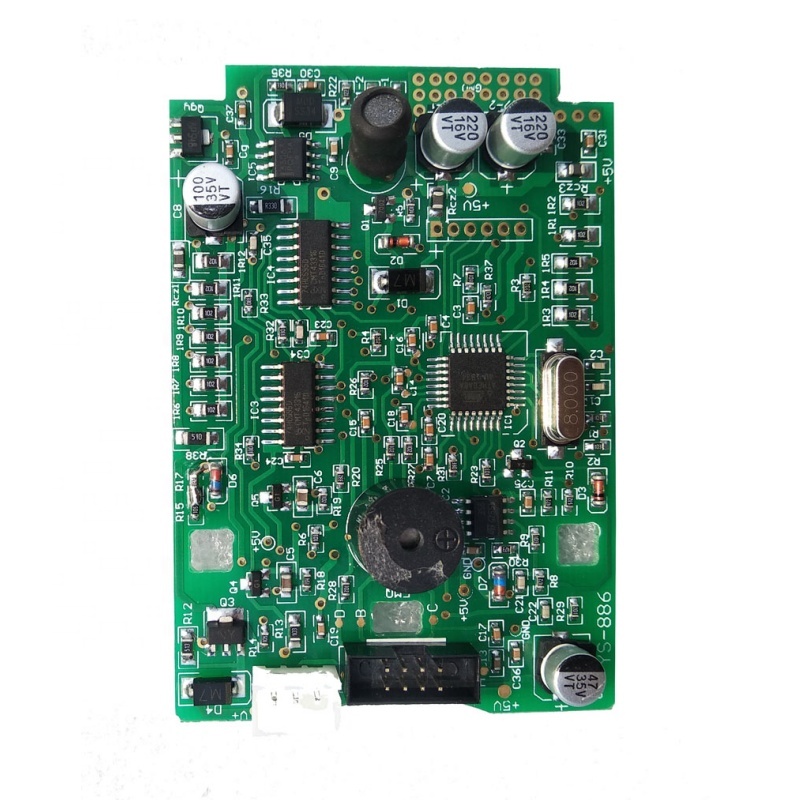
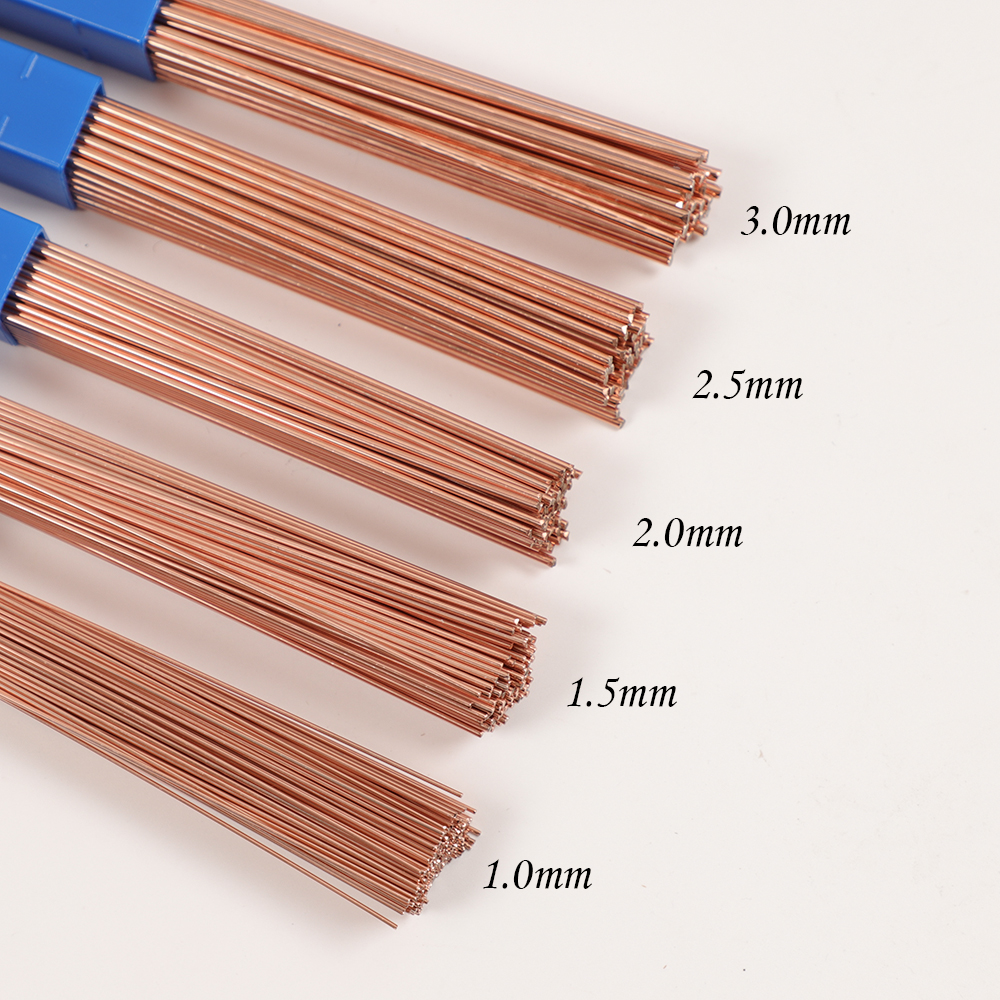
Explore turnkey electronic assemblies, flexible sensor substrates, thermal management components, and interface panels manufactured in Shenzhen for tier-1 global hardware deployments.
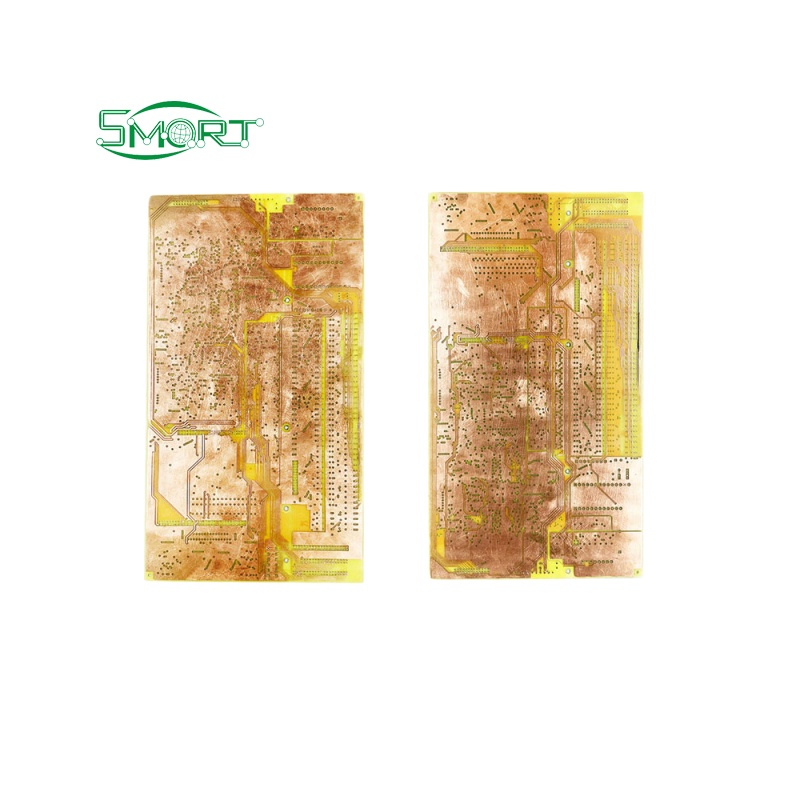
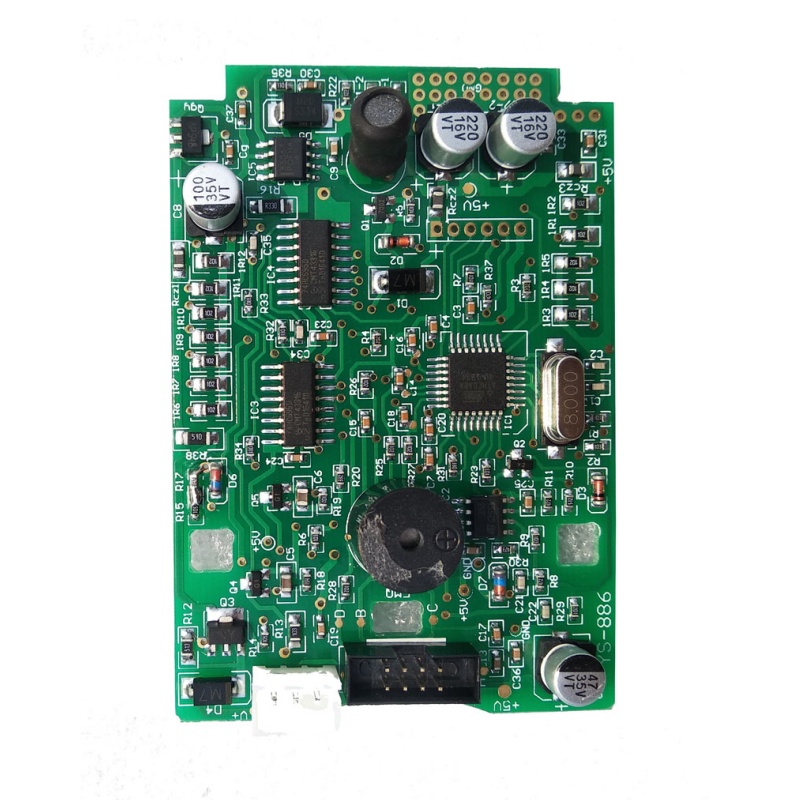
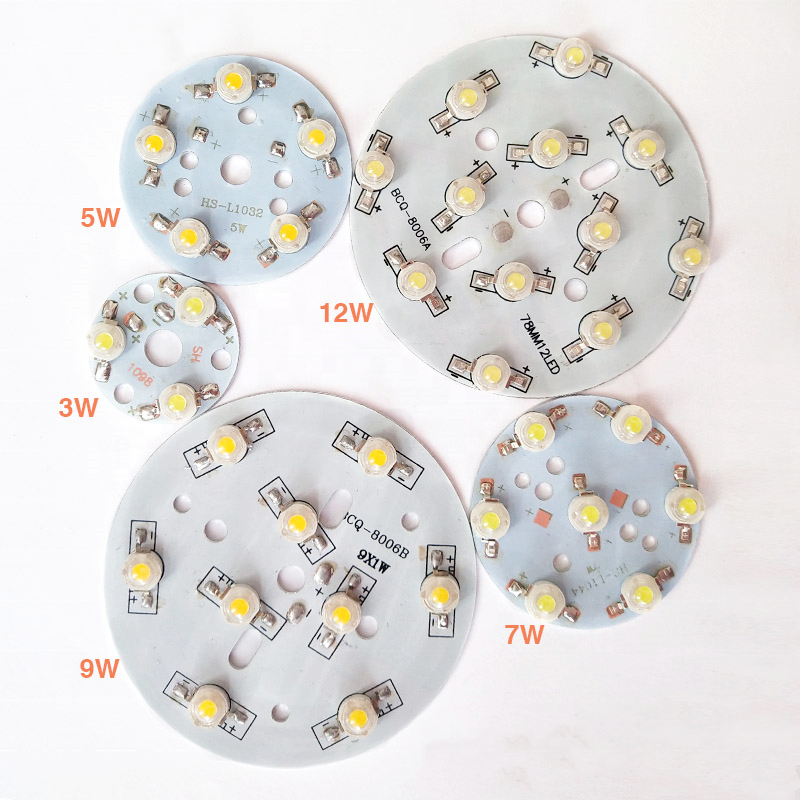
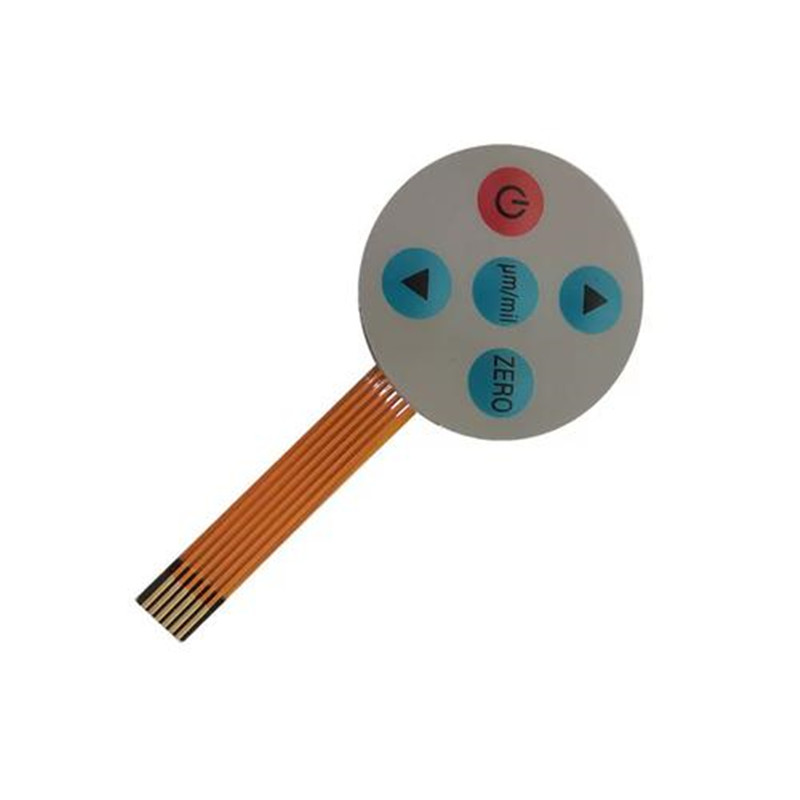
Physics, Architecture, and Design for Manufacturing (DFM) of Capacitive Touch Keypads
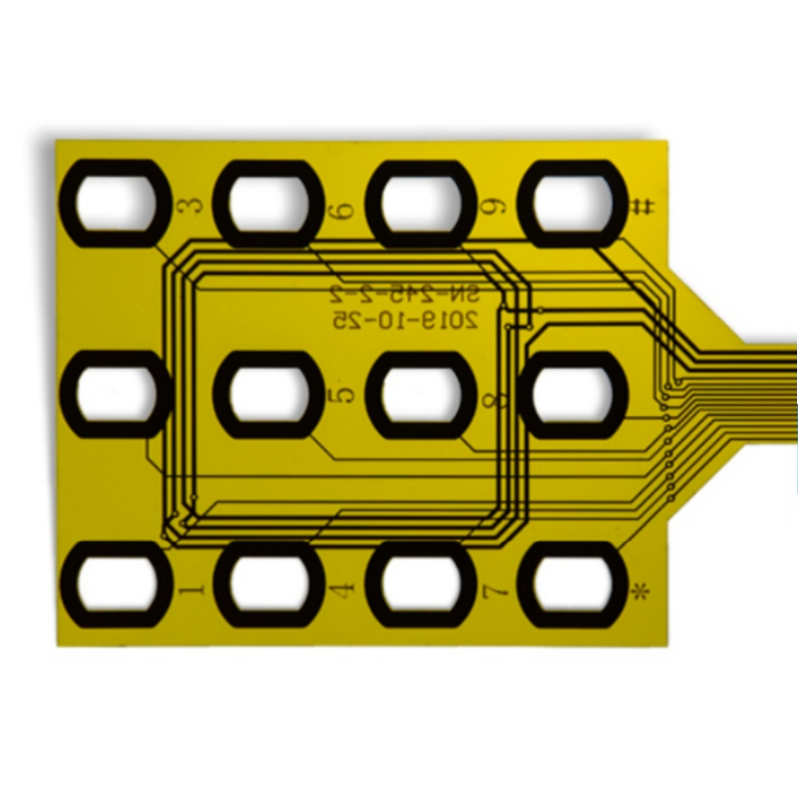
Capacitive touch keyboards and keypads have fundamentally displaced electromechanical switches across medical diagnostics, heavy industrial machinery, marine controls, and smart home automation. Unlike conventional mechanical dome keypads that suffer from mechanical fatigue, contact oxidation, and elastomer degradation, solid-state capacitive keypads operate on electrostatic charge transfer principles. The human finger acts as an electrical conductor, perturbing the dielectric field of an engineered electrode matrix patterned on printed circuit boards (FR4), flexible polyimide circuits (FPC), or screen-printed conductive polyester films.
When engineering capacitive sensing panels for high-reliability environments, design teams must evaluate the interplay between dielectric overlay constants, parasitic trace capacitance, signal-to-noise ratio (SNR), and active moisture mitigation. The table below delineates the critical engineering distinctions between the primary substrate implementations utilized across the top global exporters:
| Architecture Dimension | Rigid PCB-Backed Capacitive (FR4) | Flexible Printed Circuit (FPC - PI) | Printed Polymer Thick Film (PET/Silver) |
|---|---|---|---|
| Dielectric Stability | Exceptional (FR4 Tg 130–170°C, εr ≈ 4.4) | Superior (Polyimide Tg > 250°C, εr ≈ 3.4) | Moderate (PET substrate Tg ≈ 78°C, εr ≈ 3.0) |
| Trace Pitch & Routing Density | Ultra-fine (down to 3 mil / 3 mil line/space) | High-density (down to 2.5 mil line/space) | Coarse screen-print (down to 10–12 mil pitch) |
| SMT Controller Integration | Direct on-board SMT mounting (QFN, BGA) | Flexible SMT integration with stiffeners | Limited; requires crimped flex tail connectors |
| Environmental Hermeticity | Hermetic when sealed behind front fascia | Resistant to extreme thermal cycling | Susceptible to silver migration in humidity |
| Typical OEM Application | Industrial consoles, medical telemetry | Contoured automotive bezels, smart rings | Cost-sensitive white goods, HVAC controls |
To eliminate false triggering induced by liquid pooling, conductive saline washdowns, or electromagnetic interference (EMI), leading exporters utilize mutual capacitance or active shielding driven ground shields. Under mutual capacitance sensing, an array of drive (Tx) and receive (Rx) orthogonal traces creates a localized electric field at every node. Touch reduces the mutual coupling capacitance rather than shunting charge directly to earth ground, allowing the MCU firmware to distinguish between an actual grounded finger press and an ungrounded conductive water droplet resting on the glass overlay.
Top 10 Capacitive Keypad Factories & Exporters Worldwide
A rigorous comparative analysis of tier-1 manufacturers evaluated on engineering depth, cleanroom precision, quality certifications, production scalability, and supply chain agility.
Shenzhen VUKO Electronics Co., Ltd.
Headquartered at the nucleus of the Pearl River Delta electronics cluster, Shenzhen VUKO Electronics Co., Ltd. distinguishes itself by unifying multi-layer PCB fabrication, turnkey SMT assembly, precision FPC etching, and custom membrane keypad integration under a single engineering roof. VUKO circumvents the common supply chain fragmentation where bare boards, screen-printed graphic overlays, and SMT firmware mounting are fractured across disparate subcontractors. Their DFM engineering wing conducts thorough impedance and trace-to-trace noise analysis within 24 hours of Gerber submission, offering rapid sample batch fabrication starting from just 5 pieces.
| Key Specialties | Turnkey PCBA, Capacitive FPC, Waterproof Touch Keypads, Rigid-Flex |
|---|---|
| Certifications | ISO 9001:2015, UL 94V-0 Rated, RoHS, CE, Alibaba Verified Supplier |
| Testing Rigor | 100% E-test, AOI optical inspection, X-ray BGA check, functional jigs |
| Lead Time / MOQ | Prototypes in 3–5 days; Production MOQ from 5 pcs |
Marquardt Group
Marquardt is a globally renowned tier-1 automotive supplier specializing in high-end human-machine interfaces, mechatronic switches, and integrated capacitive control consoles. Known for integrating force-sensing resistors with capacitive electrodes to deliver dual-confirmation inputs that prevent accidental activation in high-vibration vehicular interiors.
| Key Specialties | Automotive capacitive steering wheels, central consoles, force touch |
|---|---|
| Certifications | IATF 16949, ISO 14001, ISO 9001, VDA 6.3 |
| Target Segment | Tier-1 Automotive OEMs, high-end power tools, industrial vehicles |
| Sourcing Profile | High volume contractual agreements; multi-million unit commitments |
Epec Engineered Technologies
With decades of legacy in custom printed electronics, Epec focuses heavily on ruggedized capacitive user interfaces for defense, avionics, and critical medical instrumentation. They excel in optical bonding of thick chemically strengthened anti-glare glass covers over capacitive electrode arrays operating across extreme thermal bands (-40°C to +85°C).
| Key Specialties | Ruggedized capacitive HMI, optical bonding, military flex sensors |
|---|---|
| Certifications | AS9100D, ISO 9001, ITAR Registered, IPC-A-610 Class 3 |
| Target Segment | Aerospace, defense systems, surgical room diagnostic consoles |
| Sourcing Profile | Engineering-intensive custom builds; strict ITAR regulatory flow |
Boyd Corporation
Boyd leverages its deep competencies in engineered materials, thermal dissipation, and sealing membranes to produce integrated capacitive switch assemblies. Their solutions routinely incorporate internal graphite thermal spreaders and silicone perimeter gaskets, creating hermetically sealed NEMA 4X / IP67 tactile and touch-screen systems for outdoor kiosks.
| Key Specialties | NEMA 4X touch panels, anti-microbial overlays, thermal integration |
|---|---|
| Certifications | ISO 9001, ISO 13485 (Medical), ISO 14001 |
| Target Segment | Outdoor kiosk displays, medical patient interfaces, EV charging piles |
| Sourcing Profile | Mid-to-high volume customized engineered enclosures |
Fujikura Ltd.
A world titan in flexible printed circuits and optical communications, Fujikura manufactures some of the finest pitch capacitive sensing arrays globally. Utilizing roll-to-roll photolithography on ultra-thin polyimide substrates, their capacitive sensors are extensively integrated into ultra-compact consumer electronics, wearable devices, and smartphone perimeters.
| Key Specialties | Ultra-fine pitch flexible capacitive circuits, roll-to-roll FPC |
|---|---|
| Certifications | ISO 9001, ISO 14001, IATF 16949 |
| Target Segment | Smartphones, ultra-thin wearable medical trackers, digital cameras |
| Sourcing Profile | Ultra-high scale OEM manufacturing via structured supply chains |
Dyna-Flex Technologies
Specializing in human-machine interfaces for CNC controllers, semiconductor handling equipment, and robotics teach pendants. Dyna-Flex combines tactile feedback (using integrated linear resonant actuators) alongside capacitive slider bars, providing machine operators with tactile confirmation even when wearing insulated industrial gloves.
| Key Specialties | Industrial capacitive sliders, rotary capacitive dials, LRA haptics |
|---|---|
| Certifications | ISO 9001, CE, RoHS |
| Target Segment | Factory automation consoles, CNC machinery, robotic teach stations |
| Sourcing Profile | Low-to-mid volume high-mix industrial exporter |
Nelson-Miller, Inc.
Nelson-Miller brings extensive experience in decorative fascia engineering, silkscreen graphic overlays, and capacitive switch sensor fabrication. Their signature strength is dead-front backlighting combined with capacitive touch pads, where symbols remain invisible until illuminated by side-firing LEDs mounted on internal flexible layers.
| Key Specialties | Dead-front graphics, capacitive backlighting, silicone touch panels |
|---|---|
| Certifications | ISO 9001, ISO 13485, AS9100 |
| Target Segment | Medical diagnostics, high-end consumer appliances, commercial avionics |
| Sourcing Profile | Custom engineered solutions from functional prototype to scale |
Xymox Technologies, Inc.
Xymox is an industry pioneer in conductive ink formulation and roll-to-sheet printed electronics. They focus primarily on transparent capacitive sensor films using micro-mesh copper and conductive poly-3,4-ethylenedioxythiophene (PEDOT) polymers, eliminating heavy glass substrates in curved or weight-restricted consumer interfaces.
| Key Specialties | Transparent capacitive sensors, conductive polymer inks, thin films |
|---|---|
| Certifications | ISO 9001:2015 |
| Target Segment | Smart home thermostats, dispenser touch panels, fitness equipment |
| Sourcing Profile | Component-level sensor film exporter to global assemblers |
GGI Solutions
GGI Solutions engineers mission-critical HMI modules that withstand chemical decontamination, bio-fluids, and aggressive hospital-grade cleaners. Their capacitive keyboards integrate antimicrobial treated polyester overlays with customized printed EMI/RFI shielding grids, preventing noise interference from nearby electrosurgical generators.
| Key Specialties | Medical capacitive consoles, EMI/RFI shielding, bio-compatible HMI |
|---|---|
| Certifications | ISO 13485, AS9100D, ISO 9001 |
| Target Segment | Hospital surgical rooms, intensive care ventilators, mass transit |
| Sourcing Profile | Strict regulatory validation regimes; mid-volume medical exports |
C&K Switches (Littelfuse)
Acquired by Littelfuse, C&K is historically synonymous with electromechanical switches but has heavily expanded into hybrid tactile-capacitive modules. Their smart modules pair tactile dome snap-action mechanics directly under capacitive sensor pads, offering dual verification suited for high-liability aerospace and rail transportation cockpits.
| Key Specialties | Hybrid tactile-capacitive keypads, IP68 hermetic switch arrays |
|---|---|
| Certifications | ISO 9001, IATF 16949, EN 9100 |
| Target Segment | Rail cockpits, aerospace avionics, hazardous location industrial controls |
| Sourcing Profile | Global distribution networks and high-mix OEM contracting |
Future Sourcing & Technological Trends in Capacitive Keypads
Strategic purchasing insights for hardware procurement executives navigating supply chain decarbonization, micro-controller convergence, and next-generation smart materials.
1. In-Mold Electronics (IME) & 3D Smart Surfaces
Procurement teams are shifting away from flat 2D membrane stacks toward In-Mold Electronics (IME). By thermoforming conductive silver/carbon traces and SMT micro-LEDs directly within the injection-molded resin exterior, factories produce single-piece, 3D contoured capacitive surfaces. This eliminates 70% of internal mechanical fasteners, reduces panel depth to under 2.0 mm, and delivers intrinsic IP69K liquid ingress protection without separate rubber gaskets.
2. Ultra-High Signal-to-Noise Ratio (SNR > 40 dB)
Next-generation capacitive controllers employ narrow-band hopping frequencies and differential analog front ends (AFE). This allows reliable capacitive activation through front cover lenses as thick as 10 mm tempered glass or 6 mm polycarbonate. Industrial procurement now mandates noise immunity conforming to IEC 61000-4-6 (conducted RF immunity up to 10 Vrms), ensuring zero phantom touches even when situated adjacent to high-power variable frequency motor drives (VFDs).
3. Active Water Rejection & Wet-Glove Operation
A major historical failure point for capacitive interfaces was false triggering or total touch paralysis under running tap water or conductive sanitizing solutions. Factories are universally deploying dual-mode sensing algorithms that interleave self-capacitance (for heavy-glove detection) and mutual capacitance (for localized droplet discrimination). Advanced baseline tracking filters out uniform conductive films while tracking localized finger deltas.
4. Piezoelectric & Localized Haptic Feedback
As mechanical switches are phased out, end users demand physical tactile confirmation. The market is adopting thin-profile ceramic piezoelectric actuators and localized Linear Resonant Actuators (LRA) integrated directly behind the capacitive FPC backer. Actuation generates localized millisecond haptic pulses mimicking a crisp mechanical click, satisfying ergonomic feedback requirements in high-stress medical and industrial environments.
5. Halogen-Free Materials & Carbon Footprint Tracking
Driven by European Union RoHS 3 and REACH regulations, tier-1 exporters are standardizing on halogen-free FR4 laminates, lead-free HASL or ENIG (Electroless Nickel Immersion Gold) surface finishes, and low-VOC conductive inks. Overseas buyers increasingly require suppliers to provide verified Full Material Disclosures (FMD) and ISO 14064 carbon audit verification during the initial request for quotation (RFQ) stage.
6. Turnkey Hardware Sourcing Aggregation
Global original equipment manufacturers are actively consolidating supplier bases to eliminate multi-tier communication overhead. Sourcing contracts are awarded disproportionately to unified factories capable of supplying bare PCB/FPC fabrication, complete SMT component kitting, micro-controller flashing, and decorative overlay lamination simultaneously, significantly compressing overall time-to-market.
Engineering Advantages of Partnering with Shenzhen VUKO Electronics
Selecting a manufacturing partner for capacitive human-machine interfaces demands more than transactional purchasing; it requires rigorous co-engineering across electrostatic layout, SMT component tolerance, and mechanical sealing. Shenzhen VUKO Electronics Co., Ltd. serves as an end-to-end manufacturing partner, taking your engineering concept from initial Gerber files and BOM sourcing to fully validated, production-grade capacitive consoles.
DFM & Supplier Audit Checklist for Capacitive Keypad Sourcing
To avoid severe schedule delays, high scrap rates, or field failures stemming from false triggering and capacitive coupling noise, technical procurement teams should demand verification of the following engineering parameters during the supplier audit:
- Dielectric Substrate Homogeneity: Verify that the PCB/FPC core laminate thickness is strictly held within ±5% tolerance. Variations in FR4 or polyimide dielectric thickness directly alter parasitic capacitance ($C_p$), disrupting preset MCU sensitivity thresholds.
- Cross-Hatched Ground Plane Shielding: Solid copper pours directly beneath capacitive sensor pads create high parasitic ground capacitance that attenuates touch signal deltas. Ensure your factory utilizes 40%–60% hatched ground grids with via stitching to balance return current paths while minimizing parasitic load.
- Electrode Pad Sizing vs. Overlay Thickness: As a baseline rule of thumb, the diameter or length of the capacitive touch electrode should be at least 3 to 4 times the thickness of the front protective glass or acrylic fascia to maintain adequate electrostatic field penetration.
- Trace Separation & Guard Rings: Signal traces from capacitive pads to the controller IC should be routed on the layer furthest from the user touch surface, isolated by active guard traces or ground shields with minimum 2x trace-width clearance to eliminate inter-key crosstalk.
- Controlled Cleanroom Lamination: Overlay bonding must take place in an ISO Class 7 (Class 10,000) or Class 6 cleanroom. A microscopic dust particle trapped between the capacitive sensor layer and overlay adhesive introduces localized air pockets, causing localized dielectric variance and optical defects.
Frequently Asked Questions in Capacitive Keypad Procurement
Detailed technical responses addressing layout constraints, file submissions, environmental resilience, and component sourcing.
What engineering files are necessary to receive an accurate capacitive PCBA quotation?
To quote a complete capacitive keypad assembly, our engineering team requires: (1) Gerber RS-274X or ODB++ files showing copper layers, solder mask, drill charts, and board outline; (2) An engineering BOM (Bill of Materials) specifying manufacturer part numbers for touch controller ICs, passives, and connectors; (3) Centroid (Pick-and-Place) coordinate file; (4) Front overlay mechanical vector artwork (Adobe Illustrator, DXF, or STEP) detailing cutouts, graphic colors (Pantone/RAL), and window transparencies; and (5) Firmware flashing and functional test specifications if on-board validation is requested.
How thick can the front protective cover lens be while maintaining reliable touch sensitivity?
Standard capacitive touch keypads with well-tuned sensitivity algorithms can reliably sense through 1 mm to 6 mm of standard soda-lime or chemically strengthened aluminosilicate glass (e.g., Corning Gorilla Glass), or 1 mm to 4 mm of polycarbonate / PMMA acrylic. For specialized industrial consoles requiring explosion-proof 8 mm to 10 mm tempered glass, VUKO engineers larger electrode pad surface areas and couples them with high-SNR touch controllers featuring specialized charge-transfer boosting hardware.
Can capacitive keypads be operated by users wearing thick industrial or medical gloves?
Yes. Reliable glove actuation requires co-engineering between sensor hardware and MCU firmware. Hardware-wise, self-capacitance sensing topology is preferred for heavy glove detection due to its broader electrostatic field dispersion. Firmware-wise, the microcontroller must support dynamic sensitivity scaling and multi-frequency scanning. When glove mode is active, the baseline noise threshold is lowered, allowing the system to detect the fractional picofarad capacitance shift ($ΔC$) transmitted through insulated leather, nitrile, or silicone gloves.
What adhesive systems ensure long-term IP67/IP68 hermetic sealing against moisture?
For industrial-grade outdoor and washdown applications, VUKO utilizes high-cohesion acrylic foam and membrane adhesives, notably 3M 467MP, 3M 468MP, or 3M VHB series transfer tapes. In designs requiring optical clarity over display cutouts, Optical Clear Adhesives (OCA) or liquid optical bonding silicone resins are applied in cleanroom environments to eliminate moisture condensation, eliminate air-glass refractive indices, and withstand prolonged ultraviolet (UV) radiation without yellowing or delaminating.
How does VUKO protect against global component obsolescence and long MCU lead times?
Shenzhen VUKO Electronics maintains an active in-house procurement and component engineering team situated directly within the Shenzhen Huaqiangbei and Pearl River electronic logistics corridor. When standard touch controllers (such as specific Microchip CAP1xxx, Cypress/Infineon CapSense, or NXP devices) encounter market allocations or extended lead times, our engineering team flags drop-in or pin-compatible alternatives, re-validating firmware register maps and board layouts prior to volume assembly.
What electrical and environmental validation tests are performed prior to export dispatch?
Every bare PCB and FPC undergoes 100% flying-probe or bed-of-nails automated electrical testing (E-test) to verify zero open or short circuits across capacitive electrodes. Assembled PCBA boards pass automated optical inspection (AOI), high-resolution X-ray inspection for bottom-terminated QFN/BGA ICs, and dielectric withstand tests. When complete consoles are ordered, we perform customized functional actuation testing, environmental temperature/humidity cycling (-40°C to +85°C), and water-spray immersion checks to ensure zero field RMA issues.
Accelerate Your Custom Capacitive Keypad Build
Submit your design files, schematic drawings, or graphic concepts to our engineering department. Receive a comprehensive DFM technical review and factory-direct quotation within 24 hours.
Get Catalog