PCB Substrates
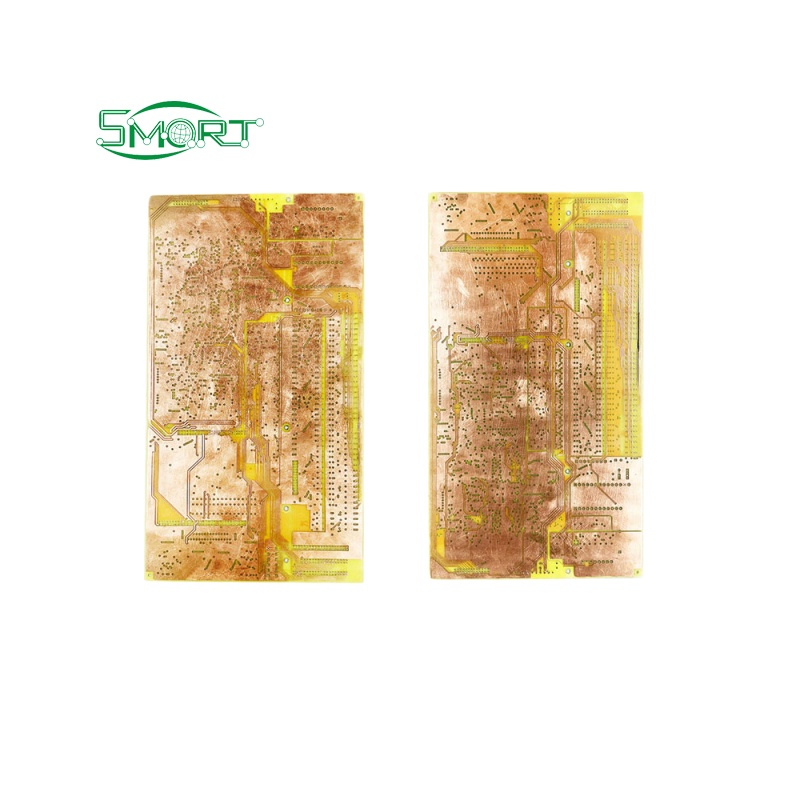
Smart Electronics Custom Multilayer PCB Board OEM Service FR4 Base Material 1oz Copper
Multilayer High-TG FR4 · Controlled Impedance · UL 94V-0 Rated
Inquire Now
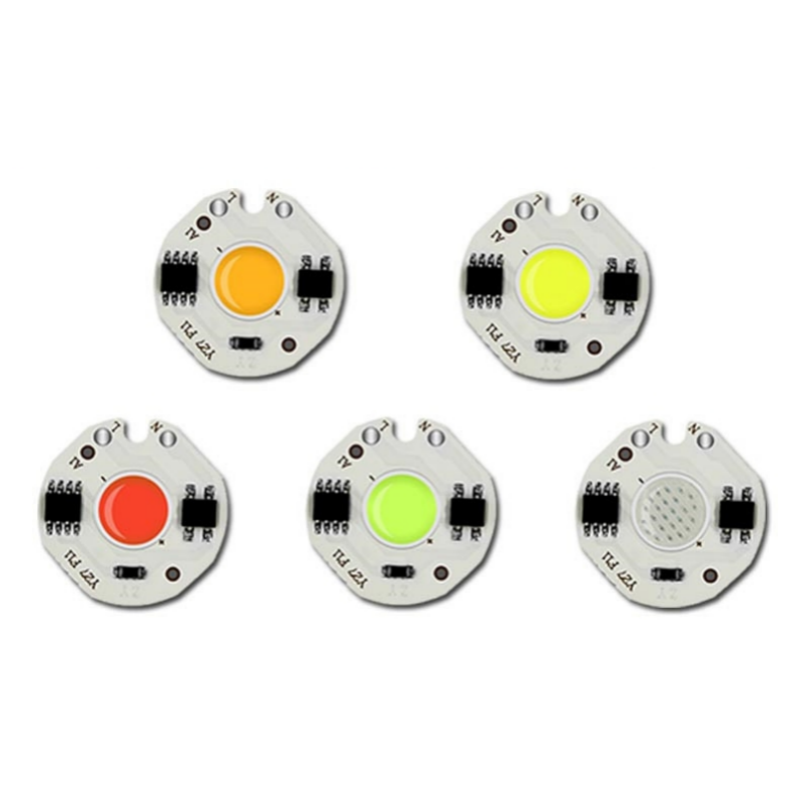
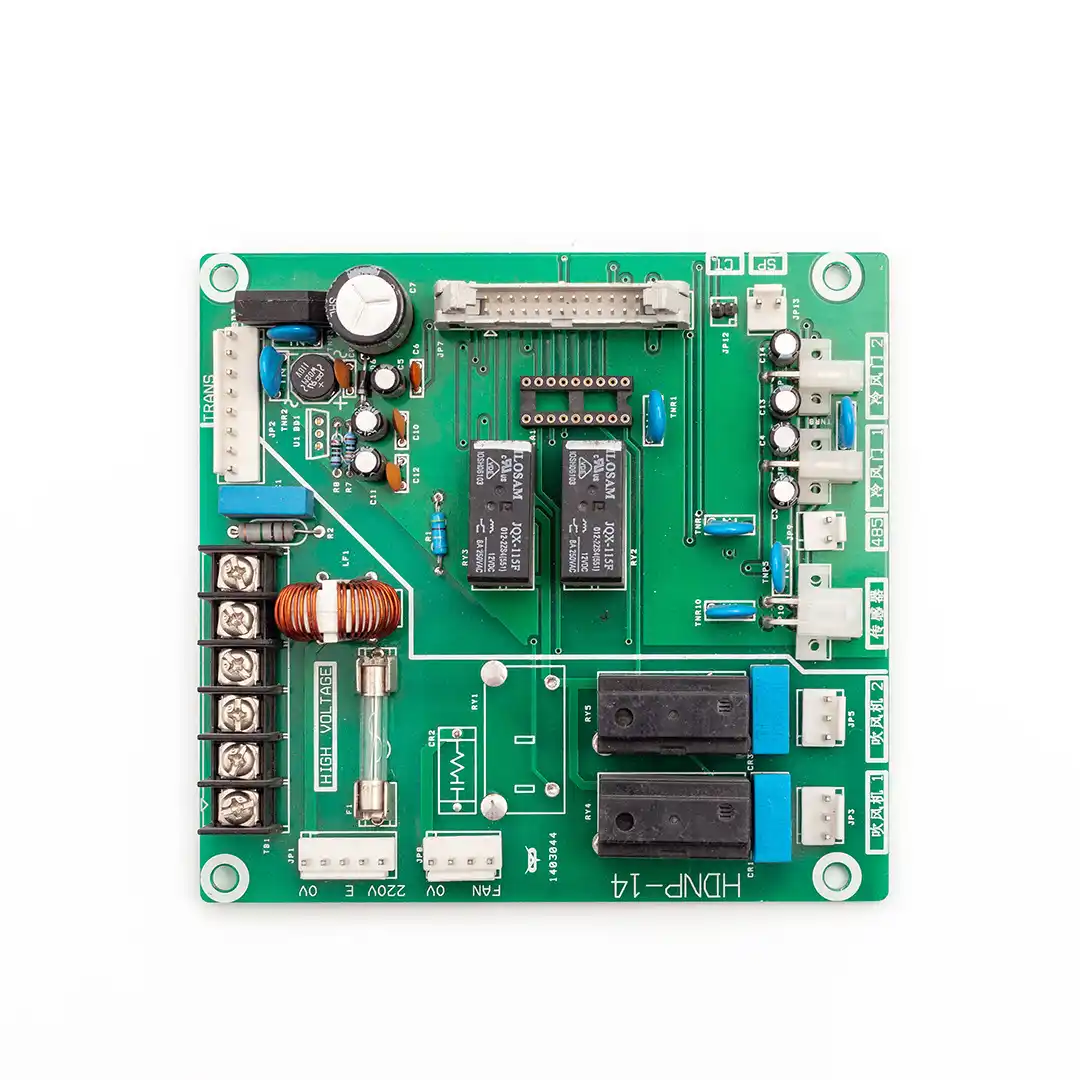
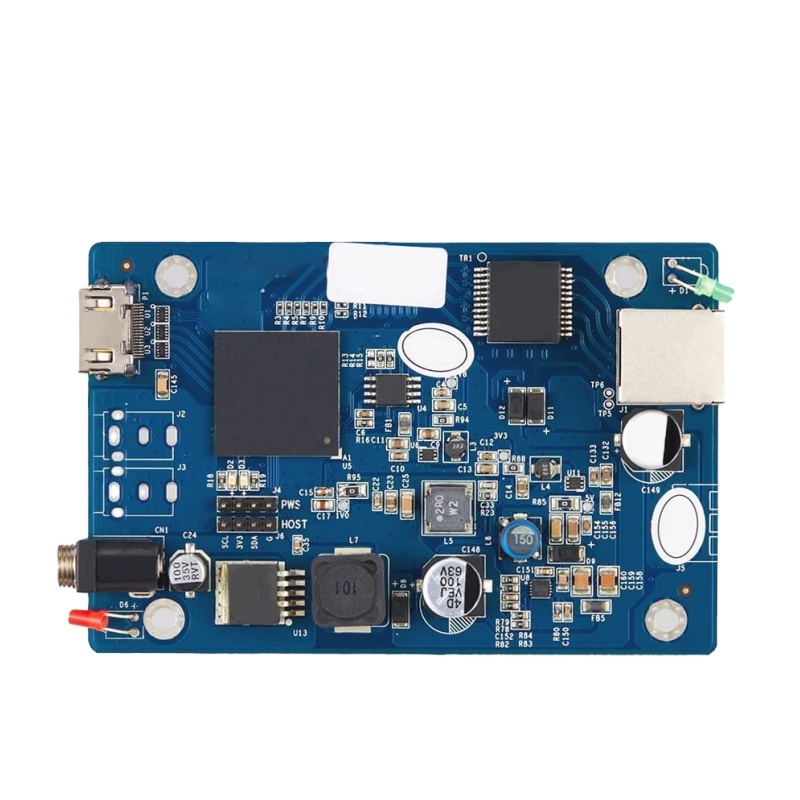
Integrating graphic keypad overlays directly with bare PCBs, embedded SMT assembly, sensors, and power management substrates for seamless OEM product deployment.
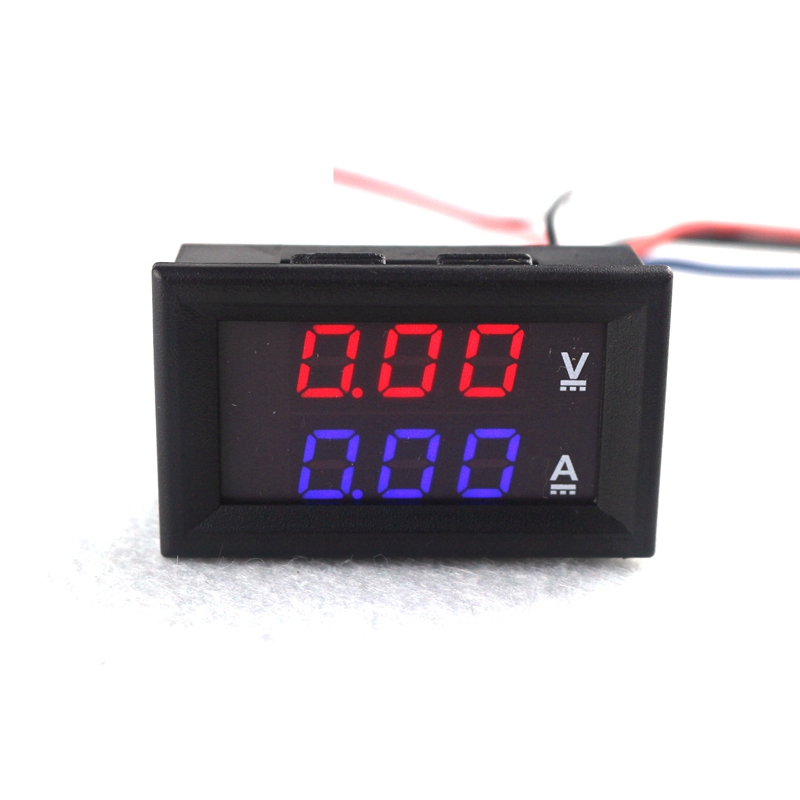
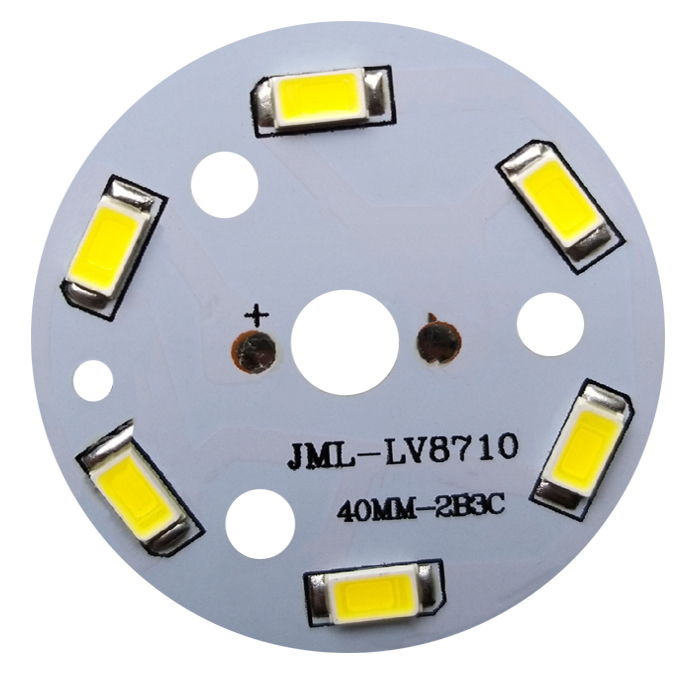
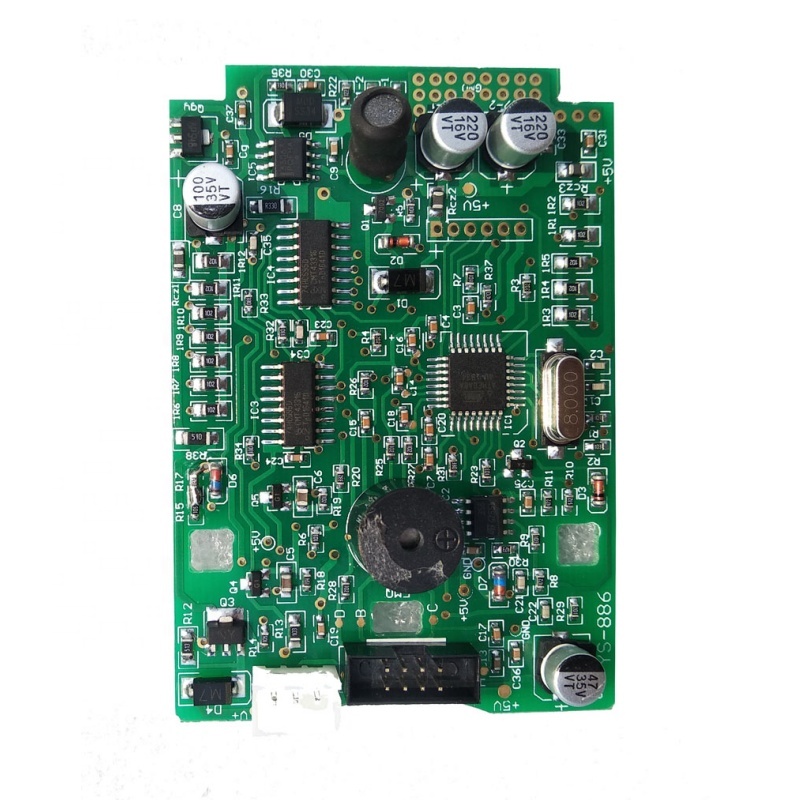
A deep-dive technical analysis into polymer films, tactile feedback mechanisms, environmental ingress sealing, and bonding chemistry for high-cycle industrial HMI controllers.
Selecting the ideal substrate is paramount for lifecycle endurance. Autotype biaxially oriented PET offers superior flexural fatigue resistance exceeding 5,000,000 actuation cycles without stress cracking, while exhibiting robust resistance to harsh industrial solvents (aliphatic hydrocarbons, alcohols, cleaning agents). Conversely, Polycarbonate (PC) provides exceptional optical clarity and flame retardance (UL 94V-0 ratings), making it the premier choice for non-flexed fascia panels, high-impact medical monitor bezels, and back-lit dead-front displays where high mechanical rigidity is mandatory.
Precision conductives form the nervous system of tactile membrane switch overlays. Trace conductors utilize highly conductive silver paste with controlled sheet resistance (typically <0.05 Ω/sq/mil), printed in class-100,000 cleanroom environments. To counter silver ion migration in high-humidity operating environments, dielectric protective overcoats combined with graphite carbon crossover shields are squeegee-applied. This layer layout ensures electrical contact resistance remains stable at <100 Ω over operating spans ranging from -40°C up to +85°C.
Ergonomics dictate operational confidence. Integrating stainless steel metal snap domes (nickel-plated or gold-flashed) yields crisp tactile response with trip forces engineered from 220g to 450g. Keypad overlays are paired with precision embossing geometries (rim embossing, pillow embossing, or plateau styling). Finite Element Analysis (FEA) is applied to ensure the outer plastic strain limit does not exceed 3% yield during peak actuation stroke, preventing permanent film deformation and surface delamination over decadal duty cycles.
Industrial machine interfaces and medical wash-down consoles operate under rigorous decontamination cycles. Ingress sealing utilizes advanced structural adhesive transfer tapes such as 3M 467MP, 468MP, or VHB 4950. By designing perimeter venting labyrinths that equalize atmospheric pressure variations without allowing moisture droplets to enter switch cavities, VUKO overlays maintain strict hermetic resistance against water jet blasting, particulate suspension, and chemical cleansers containing bleach or hydrogen peroxide sterilants.
| Performance Parameter | Polyester (PET - e.g., Autotex) | Polycarbonate (Lexan PC) | Silicone Rubber Backed |
|---|---|---|---|
| Mechanical Flexural Life | > 5,000,000 actuations | ~ 100,000 actuations | > 10,000,000 actuations |
| Chemical / Solvent Resistance | Exceptional (Acids, Alcohols, Oils) | Moderate (Attacked by Acetone/Aromatics) | High (Hydrophobic, UV-stable) |
| Optical Clarity / Light Transmission | 90% (Gloss & Anti-Glare Textures) | 92% (High Visual Depth) | Translucent / Light-Pipe Inserted |
| Embossability & Shape Retention | Requires Hydro-Forming / Hot Die | Excellent Cold / Hot Stamp Profile | Compression Molded Geometry |
| Continuous Temperature Range | -40°C to +85°C | -40°C to +105°C | -55°C to +200°C |
How engineering procurement managers are shifting away from fragmented sub-tier supply chains to unified EMS and HMI panel manufacturing partners in China.
Historically, procurement executives bought graphic overlays from screen printers, sheet metal chassis from fabricators, and printed circuit board assemblies (PCBA) from separate EMS factories. The modern sourcing paradigm focuses on Single-Source HMI Integration. When the same manufacturer laminates the graphic overlay to an internal Rigid-Flex or FR4 PCBA carrier, mating dimensional tolerances are held within ±0.05 mm, preventing switch pin misalignment, cross-talk, and assembly scrap during final box-build integration.
High tooling setup barriers formerly prevented agile hardware teams from testing rapid industrial prototypes. Enabled by Digital UV Flatbed Printing and CNC laser contour cutting, modern top-tier China manufacturers support pilot volumes starting at 5 to 50 units without requiring expensive steel die-cutter investments. This allows hardware startups and tier-1 instrumentation brands alike to complete clinical trials and field testing prior to committing tooling capital for multi-thousand batch production.
Global supply chain volatility has made active lifecycle management critical. A qualified manufacturer provides proactive Bill-of-Materials (BOM) scrutiny during the 24-hour quotation turnaround. By flagging end-of-life (EOL) microcontrollers, obsolete driver ICs, and long-lead passives early, our procurement engineers recommend pin-to-pin compatible domestic alternatives, mitigating spot-market price spikes and preventing factory line downtime.
Key architectural trends reshaping user experience, surface aesthetics, and functional density in mission-critical human-machine interfaces.
The market is migrating from planar stack-ups to three-dimensional In-Mold Structural Electronics (IME). By screen printing thermoformable conductive inks directly onto flat polycarbonate overlays, thermoforming them into curved ergonomic bezels, and injection-molding structural resin behind them, engineers achieve seamless monocoque surfaces. This removes interior fastener cavities, cuts total device weight by 40%, and eliminates dirt traps in medical hospital equipment.
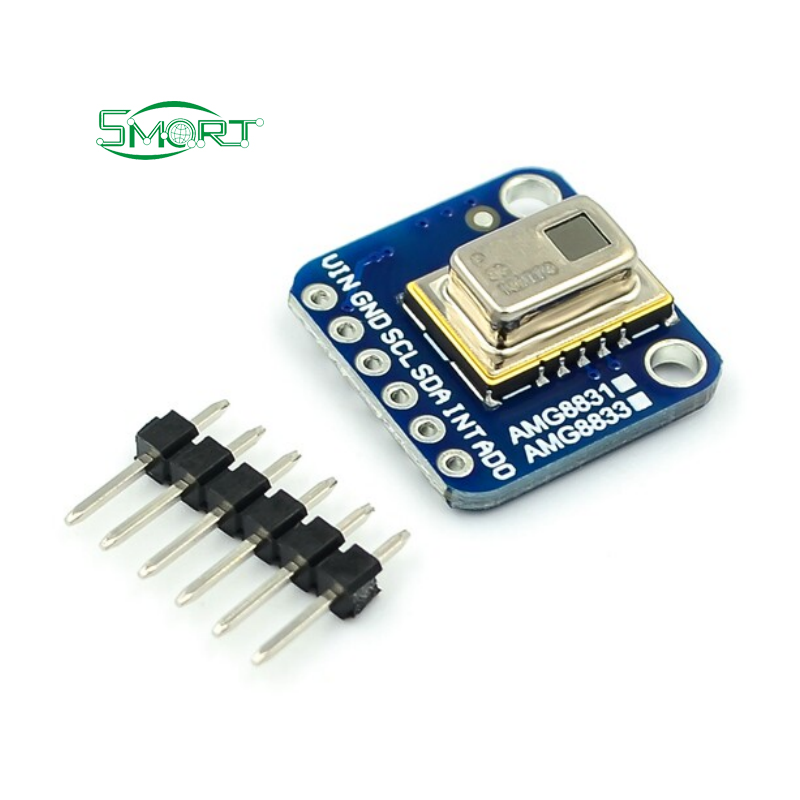
Modern user interfaces demand clean, distraction-free surfaces. Dead-front printing utilizes light-absorbing, semi-translucent translucent ink layers that appear completely black or solid matte when unlit. Upon trigger from integrated proximity sensors (such as our GY-AMG8833 array), high-flux SMD LEDs coupled into micro-diffuser acrylic light guides illuminate dedicated icons instantly, providing intuitive visual prompts while preserving clean panel minimalism.
While projected capacitive (PCAP) touch sensors provide smartphone-like scrolling, mission-critical equipment (military controls, surgical consoles, avionics) still requires undeniable physical haptic confirmation. The dominant trend combines hybrid multi-layer architectures: capacitive sensing zones perform idle wake-up and slider tuning, while primary activation keys utilize sealed metal snap domes, preventing catastrophic accidental contact actuations.
Positioned in the core of Shenzhen's hardware innovation corridor, VUKO delivers end-to-end design-for-manufacturing excellence, rapid iteration, and verifiable quality assurance.
Our manufacturing facility at Jihua Road, Shenzhen, taps into the world's most responsive electronics ecosystem. We kit and mount passive chips, microcontrollers, FPC flex connectors, and custom laminates in days—a workflow that requires weeks in distributed Western or Southeast Asian facilities.
Avoid quality discrepancies between split vendors. VUKO delivers unified bare PCB fabrication (1 to 16 layers, High-TG FR4, aluminum MCPCB), custom FPC flexible tails, graphic overlay silk-screening, automated SMT/DIP placement, firmware burning, and protective silicone moulding in a coordinated quality-control ecosystem.
Zero compromises on defect detection. Every bare board undergoes electrical flying-probe or fixture testing; populated assemblies are verified through Solder Paste Inspection (SPI), Automated Optical Inspection (AOI), and X-Ray analysis for hidden BGA voids. Raw materials comply with UL 94V-0 flammability standards and RoHS/REACH environmental directives.
Submit your Gerber archive, CAD layout (.DXF / .STEP), artwork graphics (.AI / .PDF), or BOM parts list. Our senior DFM engineers will conduct a thorough design-for-manufacturing audit and deliver a competitive, factory-direct quotation within 24 hours.
Essential technical details, production tolerances, file requirements, and order protocols for global engineering purchasers.