Featured Assemblies & Precision Components
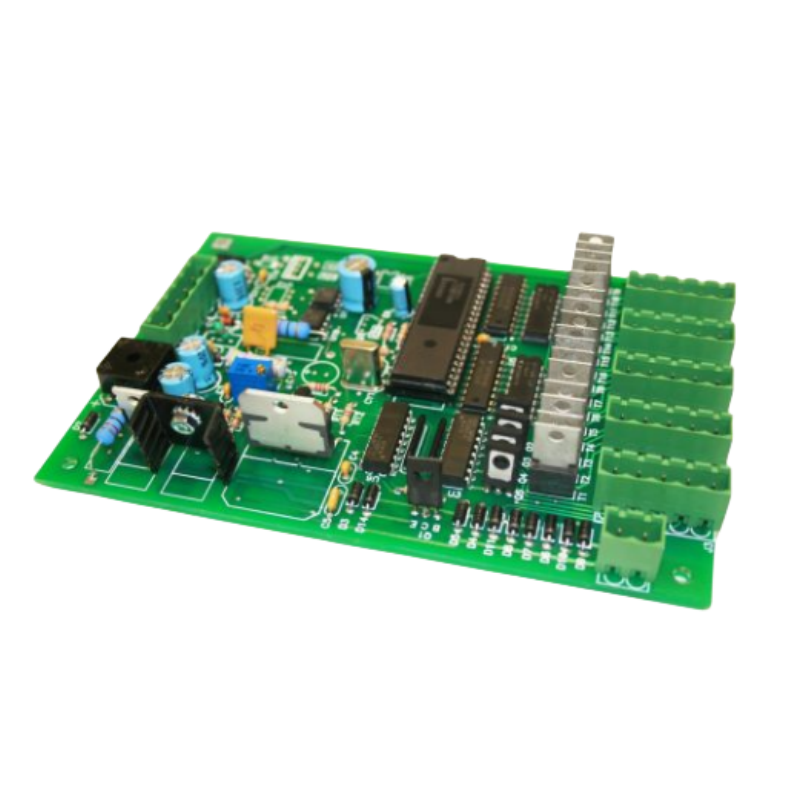
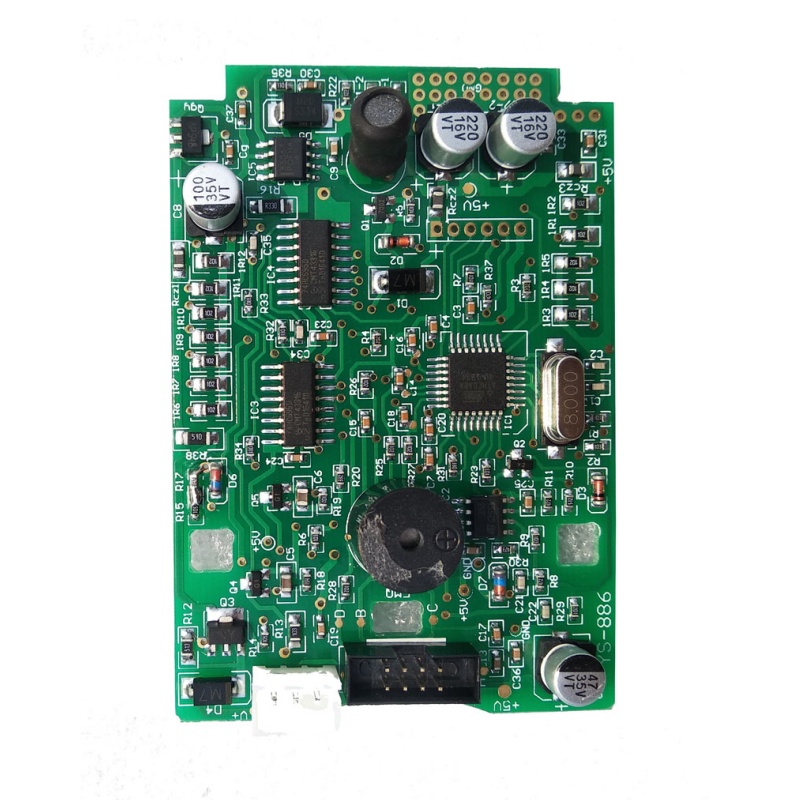
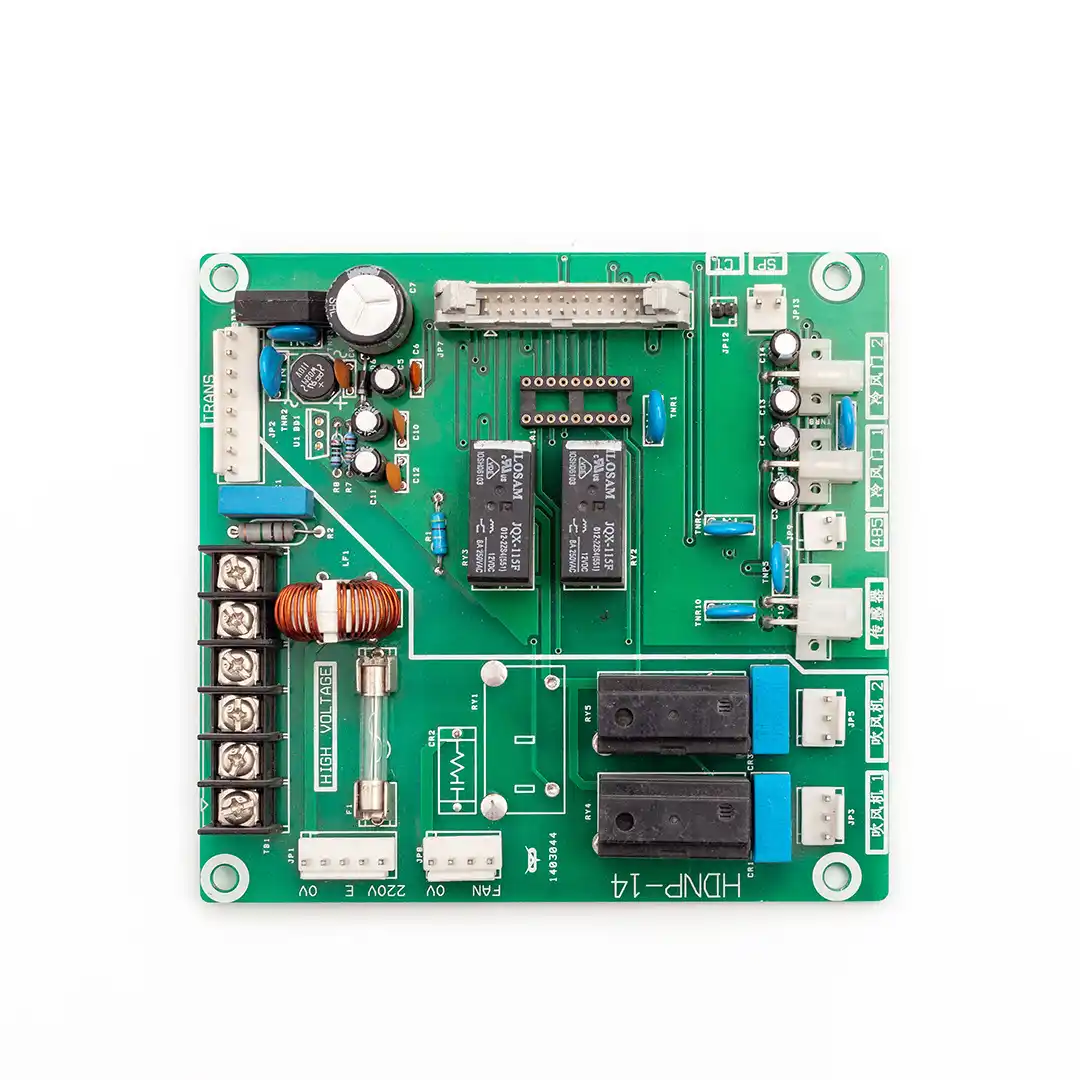
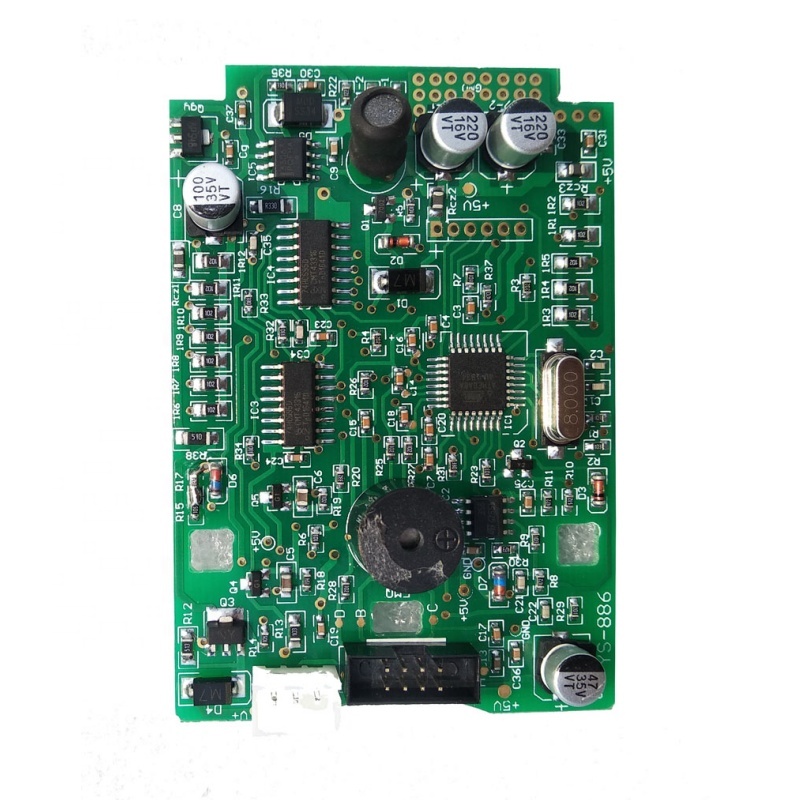
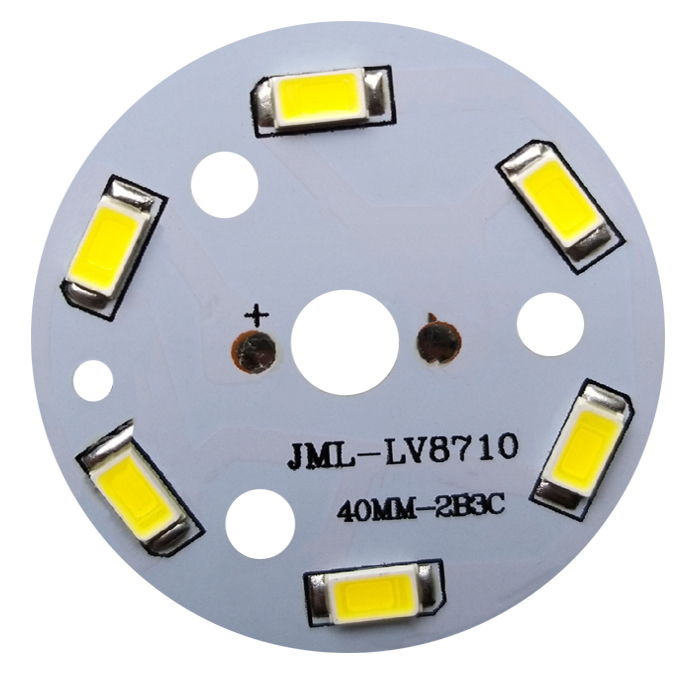
Integrated turnkey solutions: from front-panel polyester graphic overlays to underlying multilayer PCB/PCBA controllers and custom illumination modules.
Why Global Tier-1 OEMs Partner with Shenzhen VUKO
Operating at the epicenter of the global electronics supply chain in Shenzhen, Shenzhen VUKO Electronics Co., Ltd. integrates custom polyester graphic overlay fabrication, high-tolerance membrane switch manufacturing, FPC flex circuitry, and turnkey PCBA assembly under one rigorous ISO9001 certified roof.
Alibaba.com Onsite-Verified Supplier
Shenzhen VUKO Electronics Co., Ltd. has undergone exhaustive onsite physical audits by international inspection authorities. Every procurement contract can be executed under Trade Assurance for complete escrow protection and guaranteed dispatch schedules.
- Audited cleanroom printing workshops
- Traceable lot numbers for films & 3M adhesives
- Full compliance: RoHS, REACH, UL 94V-0, CE
Turnkey Vertical Integration
Eliminate multi-tier vendor finger-pointing. We integrate exterior graphic fascia with underlying silver/copper flex circuits, aluminum metal-core backplates, surface-mount LEDs, and full SMT/DIP controller boards in a unified process.
- No dimensional mismatch between overlay & PCB
- Matched adhesive die-cuts preventing edge curling
- Consolidated logistics: 1 order, 1 shipment
Agile Prototyping (MOQ from 5 Pcs)
Accelerate your NPI (New Product Introduction) cycles. While conventional overlay converters demand thousands of units, our high-precision digital screen printing and flatbed CNC plotting allow sample runs starting from only 5 pieces.
- First-article color match proofs within 3–5 days
- Digital UV proofing with Pantone / RAL consistency
- Rapid steel-rule die tooling for embossed switch bezels
Engineering Guide: Polyester (PET) vs Polycarbonate (PC) Overlays
Selecting the correct substrate is the defining factor in human-machine interface (HMI) longevity. While polycarbonate has historically been favored for simple cosmetic nameplates due to optical clarity, biaxially-oriented polyester (PET) remains the supreme material for demanding tactile actuation and harsh chemical environments.
Key Technical Finding for Interface Engineers:
Biaxially oriented polyethylene terephthalate (PET) exhibits flex fatigue endurance exceeding 5,000,000 switch actuation cycles without micro-fracture propagation, whereas standard polycarbonate (PC) typically degrades, cracks, or displays stress crazing below 100,000 cycles when subjected to repeated tactile key displacement.
| Performance Characteristic | Polyester (PET) - Autotex / Autoflex | Polycarbonate (PC) - Lexan / Makrofol | Impact on Procurement & Reliability |
|---|---|---|---|
| Flexural Fatigue Life | > 5,000,000 switch depressions | < 50,000 – 100,000 depressions | PET prevents key delamination & micro-tearing in tactile keypads. |
| Chemical / Solvent Resistance | Exceptional (alcohols, acids, industrial cleaners, acetone) | Moderate to Poor (crazes under isopropyl alcohol & MEK) | Crucial for medical sterilizations and chemical process equipment. |
| High-Temperature Stability | Continuous up to 120°C (peaks to 150°C) | Continuous up to 85°C (softens near 100°C) | PET maintains structural planarity during lead-free soldering proximity. |
| UV Weatherability (Outdoor) | Superior when formulated with UV inhibitors (Autotex XE) | Yellows, undergoes embrittlement without expensive coatings | PET avoids solar discoloration in outdoor renewable energy controls. |
| Embossing Retention | Excellent permanent dome recovery under elevated temps | Adequate cold-form, but prone to heat relaxation | PET delivers consistent finger-snap tactile response over product lifespan. |
| Optical Window Clarity | Requires selective gloss varnish or specialized clear films | Naturally high clarity (90%+ optical transmission) | PC is optimal for large full-bleed displays; PET excels for tactile overlays. |
Substrate Chemistry & Proprietary Hardcoats
Shenzhen VUKO sources premium, biaxially-oriented heat-stabilized polyester films, such as MacDermid Autotype (Autotex Fine, Velvet, Touch) and Toray Lumirror. These films are engineered with sub-micron silica coatings that offer dual benefits:
- Scratch & Abrasion Resistance: Hardened surface finish reaching 3H pencil hardness, resisting abrasive contact in shop-floor machinery and field terminals.
- Second-Surface Sub-Surface Printing: Ink deposits applied directly to the underside of the clear PET membrane prevent chemical washouts, fingerprint abrasion, and abrasive friction.
- Selective Window Texturing: Matte textures applied to keypad areas with crystalline gloss windows over LCD, OLED, and segment 7-segment LED readouts.
Precision Die-Cutting & Structural Adhesive Bonding
An overlay is only as durable as its adhesive matrix. We incorporate genuine 3M High Performance Acrylic Adhesives calibrated precisely to the housing substrate:
- 3M 467MP (200MP Series, 2.3 mil): Ideal for smooth stamped metal housings, machined aluminum castings, and untextured ABS enclosures.
- 3M 468MP (200MP Series, 5.2 mil): Provides high tack and gap-filling performance on powder-coated chassis, coarse textures, and cast alloys.
- 3M 300LSE Low Surface Energy Systems: Engineered specifically for polypropylene (PP), polyethylene (PE), and powder paints where conventional adhesives experience peel failures.
- IP65 / IP67 Hermetic Perimeter Gaskets: Continuous non-vented boundary seals blocking moisture, cleaning detergents, and fine particulate ingress.
End-to-End Quality Engineering Workflow
From artwork verification to automated environmental screening, our cleanroom manufacturing line adheres strictly to IPC-A-610 and ISO 9001 standards to ensure zero field failures.
DFM Verification
Layer alignment, dome clearance, embossing radii, and adhesive border tolerances checked within 24h.
Cleanroom Printing
Class 10,000 sub-surface screen printing using color-stable UV inks calibrated to Pantone & RAL specs.
Thermal Curing
Multi-stage oven dehydration eliminating residual solvents and stabilizing film tension to prevent shrinkage.
Precision Emboss
Hydro-forming or heated male/female steel tooling to sculpt rim, pillow, or custom tactile actuation domes.
Optical & E-Test
100% automated optical inspection (AOI) verifying cosmetics, registration, and mechanical snap feel.
Strategic Sourcing Trends & Next-Gen Overlay Tech
Procurement leaders must anticipate structural shifts in HMI architecture. The following engineering trends define the competitive landscape for 2025–2030 industrial procurement.
Capacitive Touch Under-PET Integration
Industrial machinery is shifting from purely mechanical switches to seamless, capacitive touch surfaces. By embedding conductive transparent PEDOT or copper mesh traces behind polyester overlays, buyers achieve sleek smartphone-like touch interfaces that still function flawlessly with thick industrial gloves and moisture presence.
Antimicrobial & Bio-Resistant Hardcoats
Post-pandemic medical device guidelines and commercial food-processing protocols require continuous surface hygiene. Next-generation polyester overlays feature chemically bonded silver-ion antimicrobial coatings that inhibit 99.9% of bacterial colonization and withstand high-frequency harsh bleach/hydrogen peroxide washdown protocols.
EMI/RFI & ESD Shielding Harmonization
With the proliferation of wireless IoT, high-voltage battery electronics, and high-frequency inverters, graphic overlays must serve as active electromagnetic barriers. Integrating printed conductive grid silver or aluminum foil layers grounded directly to chassis earth prevents electrostatic discharge (ESD) failures up to 15kV.
Procurement Checklist for Global B2B Hardware Buyers
Avoid costly design re-spins and delivery bottlenecks. Provide our engineering team with the following standardized inputs to ensure a rapid quote within 24 hours.
1. Substrate Specs
Specify raw film thickness (standard: 0.125mm, 0.15mm, 0.175mm, 0.20mm), surface texture (matte, fine, velvet), and UV rating requirements.
2. Adhesive Selection
Define housing plastic/metal composition (e.g. powder coated steel, cast aluminum, ABS, PC) to pair with 3M 467MP, 468MP, or 300LSE.
3. Actuation Tactility
Detail whether your interface requires flat non-tactile keys, rim embossed buttons, pillow embossed domes, or internal nickel metal snap domes (200g–500g force).
4. Optical Requirements
Indicate window positions, transmission transparency percentages, deadfronting requirements (hidden until lit), and LED lens tint filters.
Polyester Graphic Overlay Procurement & Engineering FAQ
Clear, transparent technical answers to the most common questions raised by procurement directors, quality engineers, and hardware designers.
What graphic file formats and engineering data are needed for quotation?
For graphic overlays, provide vector artwork in Adobe Illustrator (.AI), CorelDRAW (.CDR), or editable Vector PDF with all typography converted to outlines. Please specify precise Pantone Matching System (PMS) coated/uncoated or RAL color codes.
For mechanical cutouts, embossing areas, window zones, and adhesive patterns, please supply a 1:1 DXF, DWG, or STEP file showing tight dimensions, tolerance bands, and cutout clearances.
Why is polyester (PET) significantly better than polycarbonate (PC) for tactile buttons?
Biaxially oriented polyester features superior molecular tensile elasticity. When an operator presses an embossed key or deflects a metal dome beneath the film, the material undergoes cyclical stress. Polycarbonate will work-harden and experience stress fractures or permanent deformation after 50,000 to 100,000 cycles.
In contrast, heat-stabilized polyester retains elasticity and memory for well over 5,000,000 actuation cycles without tearing, sagging, or losing tactile snap-back feel.
What is deadfront printing, and can it be integrated into polyester overlays?
Yes. Deadfront printing is an optical technique where indicator icons, legends, or warning symbols remain completely invisible (blending uniformly into the background color) until an underlying surface-mount LED illuminates the zone.
We achieve this on polyester by formulating specialized semi-translucent smoke inks with tight light-transmission densities (typically 12%–18% optical transmission), ensuring a crisp, high-contrast glow when activated and a sleek stealth aesthetic when dormant.
How does Shenzhen VUKO guarantee color accuracy across repeat batch orders?
Color consistency is secured using automated X-Rite spectrophotometers measuring Delta E (ΔE) color variance against approved golden master proofs. We maintain strict color tolerance controls with ΔE < 1.0.
All ink formulations are digitally logged with exact weight ratios, viscosity records, and cleanroom cure temperatures to guarantee that re-orders placed months or years later match your original first article inspection sample.
What are your typical prototype and mass-production lead times?
For rapid prototyping, digital UV print samples and laser-cut die assemblies are typically dispatched within 3 to 5 working days. This allows rapid physical fit checks and client approvals.
For hard-tooled mass production involving customized steel-rule dies, chemical embossing tools, and mass screen printing runs, delivery typically takes 10 to 14 working days, supported by express courier air dispatch (DHL/FedEx/UPS) reaching North America and Europe in 3–5 days.
Can VUKO provide the entire sub-assembly including membrane switches, FPC, and PCB?
Yes, this is our core competitive advantage. Rather than sourcing graphic skins from one printer, metal domes from another, and PCB assemblies from an electronics contractor, Shenzhen VUKO integrates the entire HMI stack.
We supply the polyester overlay, tactile stainless steel domes, silver-printed PET circuit or polyimide FPC, backing aluminum/acrylic support plate, and SMT PCB controllers completely assembled and functionally tested as a plug-and-play module.