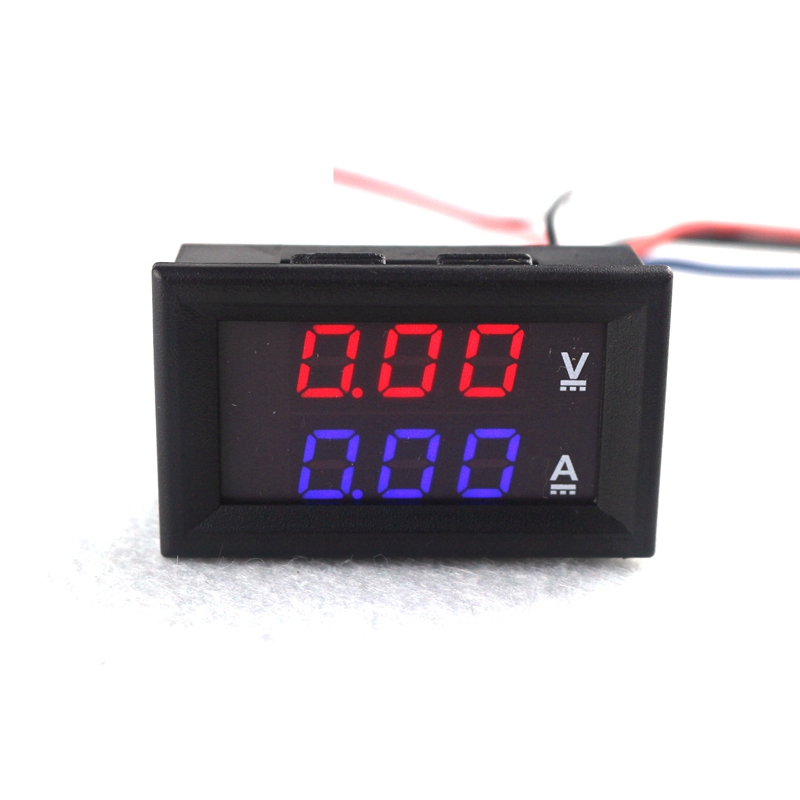
Factory Direct Catalog
Specialized Thermal Solutions & Electronic Hardware
Precision-engineered components, thermal modules, multilayer circuit boards, and user-interface systems ready for prototyping and volume integration across Finland.
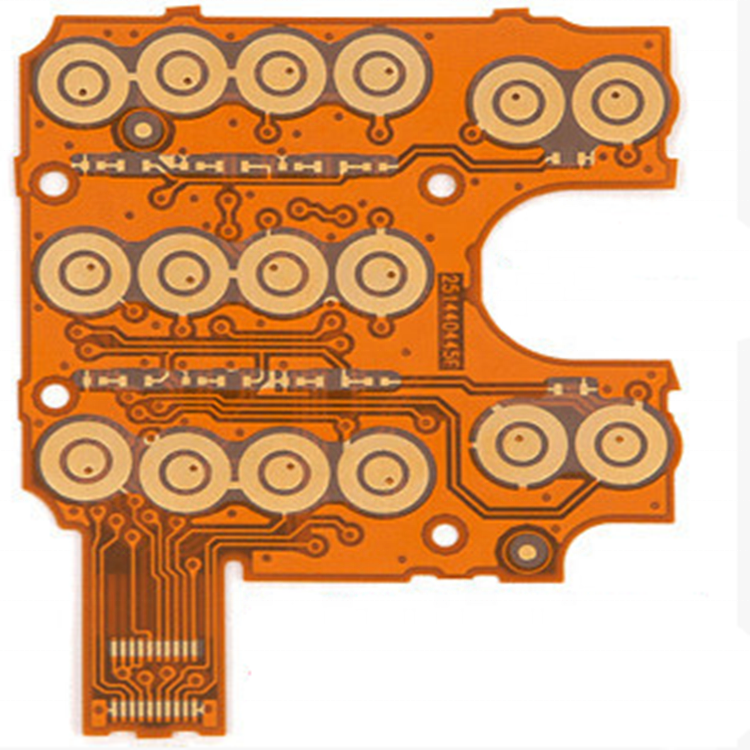
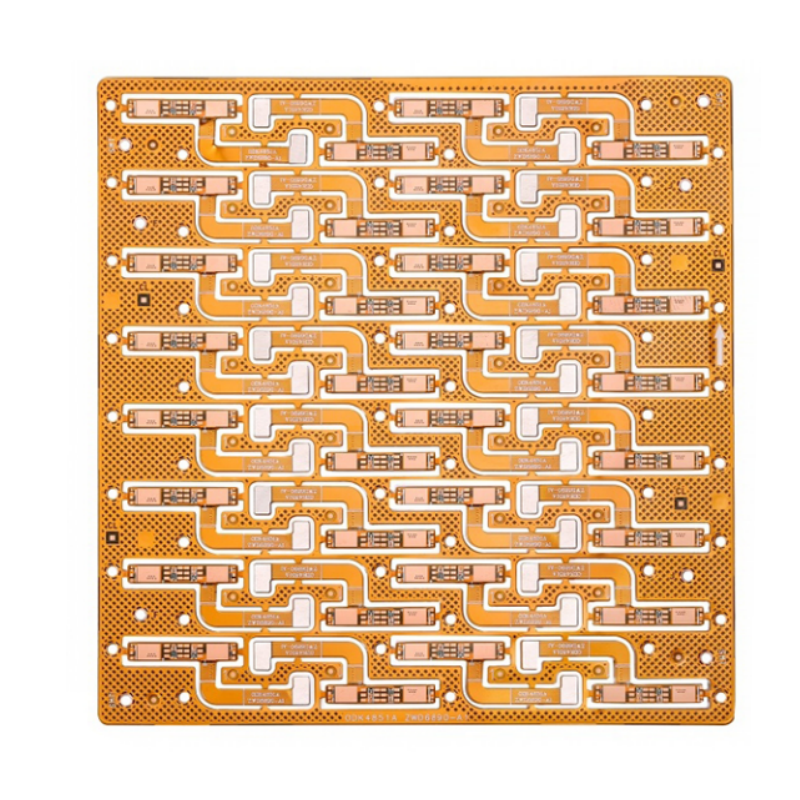
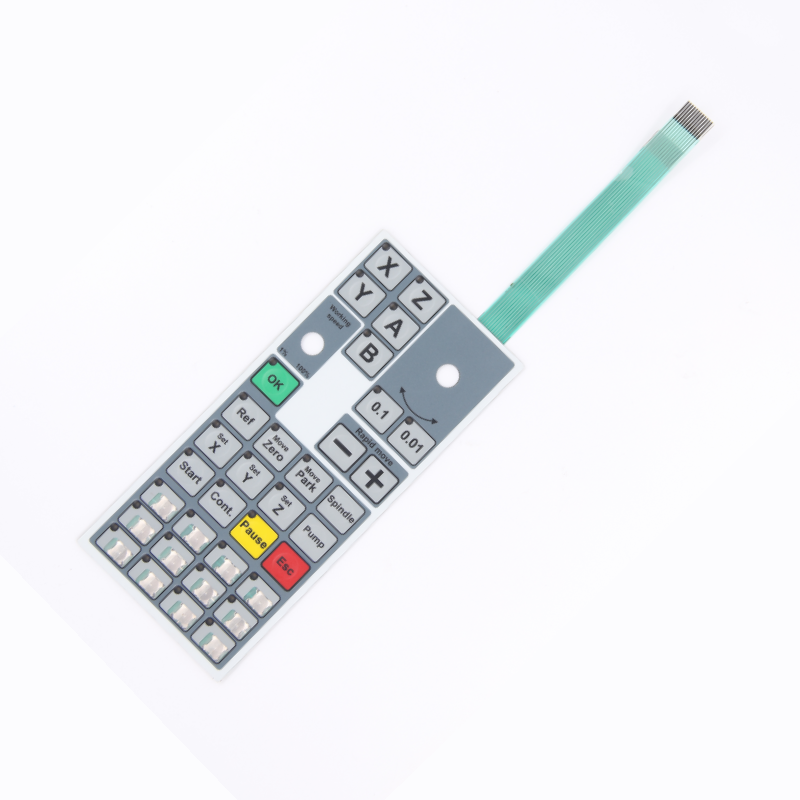
Engineering Metal Core PCB (MCPCB) Solutions for the Finnish Cleantech Corridor
As Finland accelerates toward carbon neutrality, the metropolitan ecosystem of Vantaa has emerged as a powerhouse for energy-efficient industrial infrastructure, advanced logistics automation, and specialized luminaire design. Operating within the Uusimaa region demands electronic hardware that surpasses baseline commercial specifications. The harsh Nordic climate—characterized by prolonged winter darkness, ambient temperatures plunging below -30°C, and rapid cyclic transitions between unconditioned outdoor air and heated enclosures—exposes standard FR4 circuit boards to severe failure modes.
Shenzhen VUKO Electronics Co., Ltd. serves original equipment manufacturers (OEMs), lighting designers, and industrial system integrators across Vantaa and the broader Greater Helsinki area. By bridging state-of-the-art aluminum-backed substrate manufacturing with stringent Design for Manufacturability (DFM) verification, we engineer Metal Core Printed Circuit Boards (MCPCBs) that maintain dimensional stability, exceptional thermal transfer efficiency, and uncompromising electrical isolation under severe sub-arctic operational stresses.
Information Gain Highlight: Unlike standard glass-epoxy laminates (FR4) with a meager thermal conductivity of 0.25 to 0.30 W/m·K, aluminum core PCBs provide effective thermal conductivity between 1.0 and 5.0 W/m·K. In high-density LED arrays and power driver topologies, this reduction in junction-to-case thermal resistance ($R_{\theta jc}$) prevents junction temperatures from exceeding the critical 85°C threshold, preserving lumen maintenance (L90/B10 ratings) beyond 60,000 hours in sub-zero environments.
Anatomy of an High-Reliability Aluminum Core PCB
An aluminum core board is not simply a piece of sheet metal with copper traces. It is an engineered composite consisting of three distinct layers, each calibrated to balance thermal spreading, mechanical rigidity, and high-voltage dielectric isolation:
Circuit Layer (Copper Foil)
Available in weights from 1.0 oz (35 µm) to 6.0 oz (210 µm). High-purity electrodeposited copper handles drive currents up to 40A while minimizing trace self-heating in high-power luminaire applications.
Thermal Dielectric Layer
The core innovation of MCPCB. A ceramic-filled polymer bonding layer (typically 75 µm to 150 µm thick) that combines high thermal conductivity (1.0–5.0 W/m·K) with dielectric breakdown strength exceeding 4,000V AC.
Aluminum Base Plate
Precision-milled aluminum alloys (Alloy 5052 for optimal mechanical bending or Alloy 6061 for superior rigidity and thermal dispersion) in thicknesses from 0.8 mm to 3.0 mm, providing structural mounting and heat-sink coupling.
Mitigating the Coefficient of Thermal Expansion (CTE) Mismatch
For procurement engineers in Vantaa, thermal cycling presents the most destructive failure mechanism in outdoor LED luminaires. Aluminum has a CTE of approximately $23 \times 10^{-6}/\text{K}$, copper exhibits $17 \times 10^{-6}/\text{K}$, while ceramic LED packages (such as SMD 3030, 5050, or CSP LEDs) sit between $6 \times 10^{-6}/\text{K}$ and $8 \times 10^{-6}/\text{K}$. During cold-start ignition at -25°C, the LED junction warms to +70°C within seconds. This localized $\Delta T$ induces significant shear stress across the solder joints.
At VUKO Electronics, we counter thermal shear failure by specifying ductile, high-elongation dielectric matrix resins paired with optimized solder mask clearances. By utilizing lead-free SAC305 (Sn96.5Ag3.0Cu0.5) alloys with low voiding reflow profiles (<10% void area underneath thermal pads), we eliminate microcrack propagation and solder joint detachment over thousands of freeze-thaw cycles.
Localized Application Scenarios in Vantaa and Greater Helsinki
Vantaa’s unique municipal and geographic footprint creates distinct use cases where specialized aluminum substrate circuit boards and integrated assemblies are mandatory:
- Aviapolis Aviation & High-Mast Apron Lighting: Surrounding Helsinki-Vantaa Airport (HEL), outdoor perimeter floodlights and apron masts operate 24 hours a day under extreme wind chill and vibration. MCPCBs with heavy 3.0 mm aluminum baseplates provide the vibration damping and rapid thermal dissipation needed to support high-power Cree and Lumileds LED engines running up to 600W per luminaire.
- Kehä III (Ring III) Logistics Corridors & Automated Warehouses: Vantaa is the logistics capital of Finland, hosting massive automated distribution centers (such as Posti and DB Schenker hubs). Cold-storage distribution units operating down to -28°C require high-bay linear LED modules fabricated on MCPCBs that resist moisture condensation and thermal shock without delamination.
- Sub-Arctic Municipal Street & Cross-Country Ski Track Lighting: Municipal authorities throughout Vantaa, Espoo, and Helsinki enforce strict flicker-free, energy-efficient road illumination standards. Our aluminum PCBs incorporate high-reflectivity white solder masks (>89% solar reflectance index) to boost optical cavity efficiency while keeping drive circuits thermally decoupled from the light emitting diodes.
- Industrial Automation & Variable Frequency Drives (VFDs): Industrial clusters in Tikkurila and Äyritie design heavy electromechanical hardware. Aluminum PCBs serve not only as LED carriers but as insulated metal substrates (IMS) for surface-mount MOSFETs and IGBT power stages, pulling heat directly into structural cast-aluminum chassis without bulky discrete heat sinks.
Technical Benchmark: Metal Core PCB vs. Alternative Substrates
Selecting the optimal substrate requires balancing thermal resistance, dielectric integrity, weight, and assembly cost. Below is a comparative engineering benchmark based on VUKO manufacturing parameters:
| Substrate Parameter | Standard FR-4 (Multilayer) | Aluminum MCPCB (1.5mm) | Copper Core PCB | Ceramic (Al2O3 / AlN) |
|---|---|---|---|---|
| Thermal Conductivity (W/m·K) | 0.25 – 0.30 | 1.5 – 3.0 (Up to 5.0) | 380 (Direct thermal pad) | 24 – 180 |
| Dielectric Withstand Voltage | >15 kV/mm | 3.0 – 6.0 kV AC | 3.0 – 6.0 kV AC | >10 kV/mm |
| Coefficient of Thermal Expansion (CTE) | 14–17 ppm/°C | 18–23 ppm/°C | 16–17 ppm/°C | 5–7 ppm/°C |
| Mechanical Durability / Brittleness | Flexible to high impact | Extremely rigid / robust | Heavy / high rigidity | Extremely brittle / fragile |
| Cost Factor Relative to FR4 | 1.0x (Baseline) | 1.4x – 2.0x | 3.5x – 5.0x | 6.0x – 10.0x |
| Typical Application Fit | General logic, low-power I/O | High-power LED, power PCBA | Concentrated laser / thermoelectric | Aerospace, RF, ultra-high power |
Emerging Procurement & Cleantech Trends in Finland (2025–2030)
The Nordic electronics procurement landscape is experiencing structural shifts influenced by European Union environmental directives and supply chain resilience strategies:
1. Compliance with the EU Single Lighting Regulation (SLR) & Ecodesign Directive
Under EU 2019/2020 rules, luminaires marketed in Finland must offer modularity, repairability, and removable light sources. Finnish luminaire manufacturers are moving away from glued-in, disposable LED light engines toward standardized Zhaga-compliant aluminum LED boards secured with mechanical fasteners. Our custom CNC-milled countersunk mounting holes, thermal interface material (TIM) pre-application, and standardized pin headers allow Vantaa OEMs to achieve effortless compliance with circular economy mandates.
2. Transition to High-CCT, High-CRI Horticultural & Human-Centric Lighting
With short winter daylight hours in the Nordic region, interior environments demand Human-Centric Lighting (HCL) that dynamically tunes color temperature from 2700K to 6500K. Combining multiple LED emitter channels on a single board creates dense localized heat dissipation nodes. VUKO’s dual-layer aluminum MCPCBs and hybrid FR4-on-Aluminum constructions allow complex microcontroller routing on the top FR4 layer while coupling high-output LED heat sinks directly to the underlying metal core.
3. Rapid Air Logistics Direct to Helsinki-Vantaa Hub
Supply chain agility is a primary determinant of competitive advantage. Situated adjacent to Helsinki Airport (HEL), buyers in Vantaa benefit from streamlined air freight lanes from Shenzhen. VUKO Electronics coordinates complete export packaging—including vacuum sealed anti-static moisture barrier bags (MBB) with desiccant and humidity indicator cards (HIC)—ensuring that boards arrive ready for automated SMT lines without requiring pre-bake cycles.
Finnish Procurement Guide: Frequently Asked Questions
What surface finish is best for aluminum LED PCBs in cold climates?
For high-reliability luminaire assembly in Finland, we recommend Electroless Nickel Immersion Gold (ENIG) or Lead-Free HASL. ENIG provides an exceptionally flat coplanar surface for fine-pitch LEDs and superior long-term corrosion resistance in humid outdoor environments, whereas Lead-Free HASL offers robust, cost-effective solderability for standard SMD 2835 and 5050 packages.
Can you provide UL 94V-0 flammability certification for Finnish compliance?
Yes. All aluminum core raw laminates and prepregs used by Shenzhen VUKO Electronics meet UL 94V-0 flame retardant standards. Full material certification sheets, RoHS declarations, and REACH chemical compliance dossiers are provided with your engineering shipment for immediate CE and ENEC filing.
What are the minimum trace width and spacing capabilities for MCPCBs?
For 1 oz copper foil, our standard production capability supports trace width and spacing down to 0.10 mm (4 mil). For heavy 2 oz or 3 oz copper boards designed for high-current LED arrays, minimum spacing is calibrated to 0.15 mm (6 mil) to guarantee clean chemical etching and uniform solder mask encapsulation.
How do you test dielectric layer integrity against high-voltage surges?
Every fabricated MCPCB panel undergoes 100% automated electrical testing (flying probe or dedicated bed-of-nails fixture) and high-potential (Hi-Pot) dielectric testing. We apply 3000V to 4000V AC across the copper circuit layer and the aluminum backing plate to verify zero dielectric leakage or breakdown.
What is the typical prototype and mass-production lead time to Vantaa?
Quick-turn bare MCPCB prototypes can be fabricated in 3–5 working days following Gerber sign-off. Turnkey PCBA assemblies with component sourcing require approximately 10–15 working days. Express door-to-door air freight via DHL, FedEx, or UPS direct to Vantaa typically takes 3–5 business days.
What is the Minimum Order Quantity (MOQ)?
We actively support engineering research, pilot runs, and specialized builds with a minimum order quantity starting from just 5 pieces. Once verified, our high-speed automated CNC scoring and SMT lines seamlessly scale to batches exceeding 100,000 units.
Why Vantaa Engineering Teams Partner with VUKO Electronics
Operating out of Shenzhen—the world’s most concentrated electronics manufacturing ecosystem—Shenzhen VUKO Electronics Co., Ltd. combines more than 14 years of direct export excellence with rigorous engineering discipline. Rather than acting as a disjointed broker, we operate an integrated turnkey model:
- One-Stop Electronic Integration: We eliminate vendor coordination overhead by providing bare PCB fabrication (FR4, high-TG, metal core, rigid-flex), full BOM active/passive component procurement, SMT placement, conformal coating, custom silicone/membrane user interfaces, and thermal heat pipe integration under one roof.
- 24-Hour DFM Engineering Assurance: Send us your RS-274X Gerber archives and BOM. Our senior hardware engineers evaluate panel utilization, thermal relief geometries, solder mask dampening, and footprint tolerances within 24 hours, preempting expensive revisions before raw metal is cut.
- Traceability & Risk Protection: Every shipment conforms to ISO 9001 quality workflows, verified through automated optical inspection (AOI), X-ray solder verification for bottom-terminated components, and Trade Assurance payment protections.