Precision Interconnects & Electronics Assemblies
High-precision flex circuits, thermal core boards, industrial HMI interfaces, and micro-electronics calibrated for Wellington’s innovative tech sector.
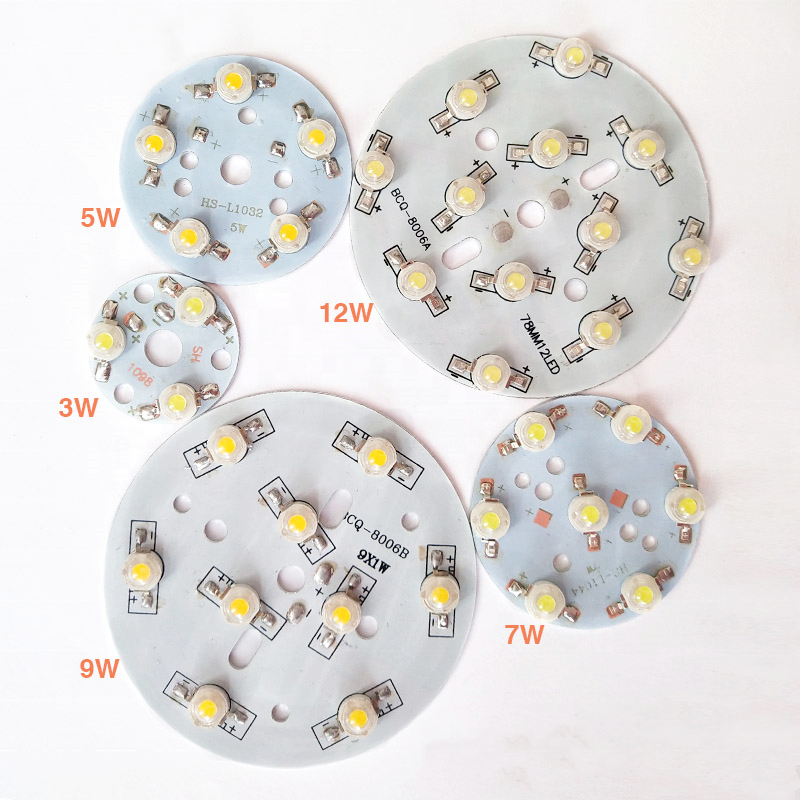
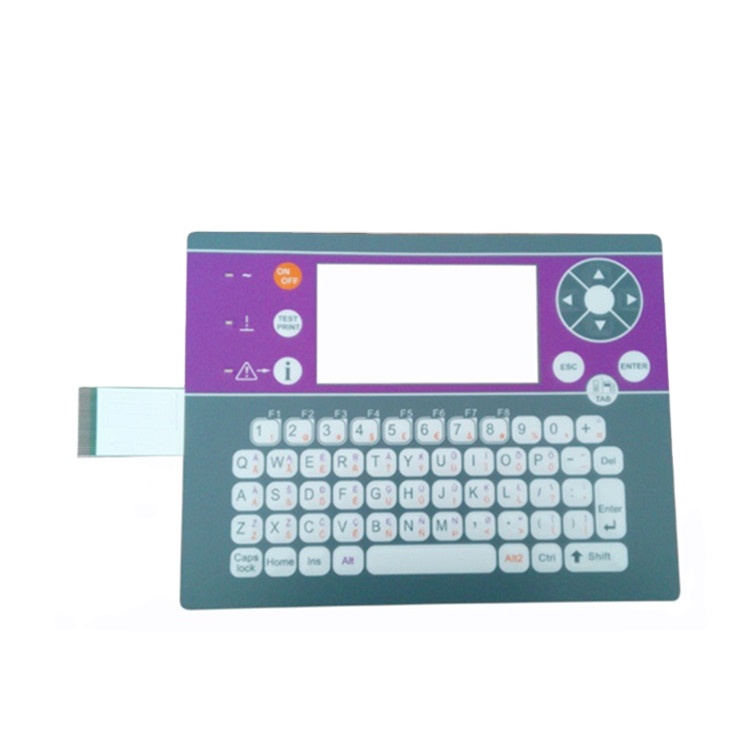
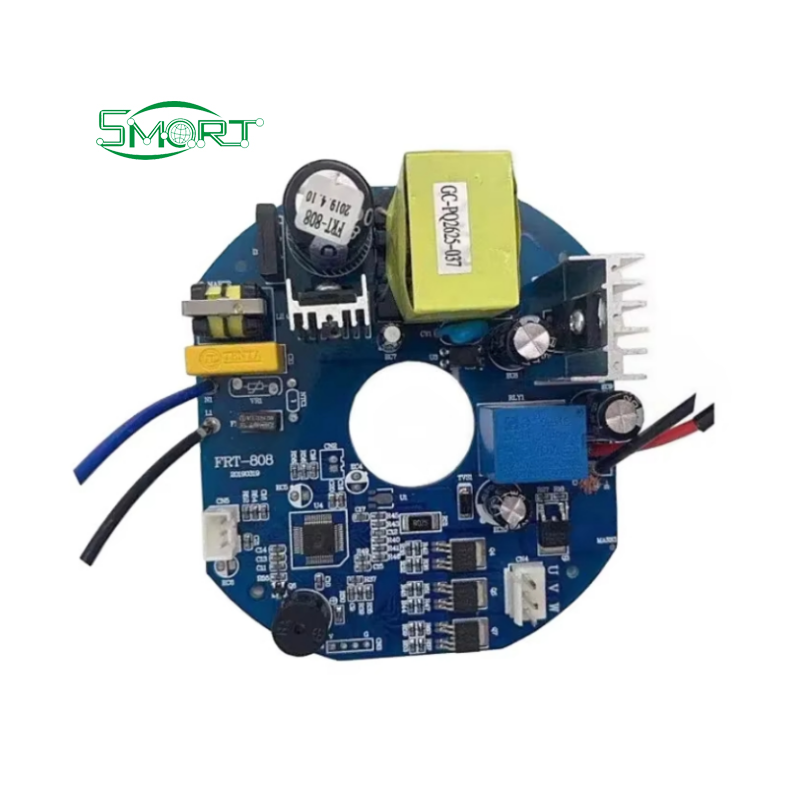
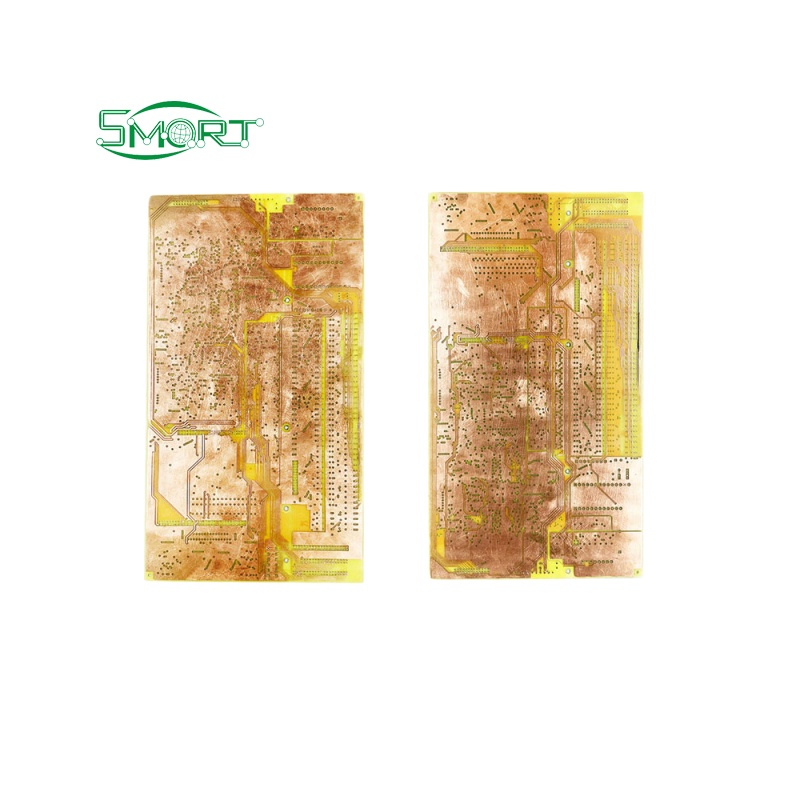
Advanced Flexible Circuit Architecture for New Zealand Hardware Pioneers
Bridging the gap between Shenzhen’s ultra-dense component ecosystem and Wellington’s world-class high-tech, cleantech, and marine instrumentation engineering.
Substrate Selection: Adhesiveless Polyimide
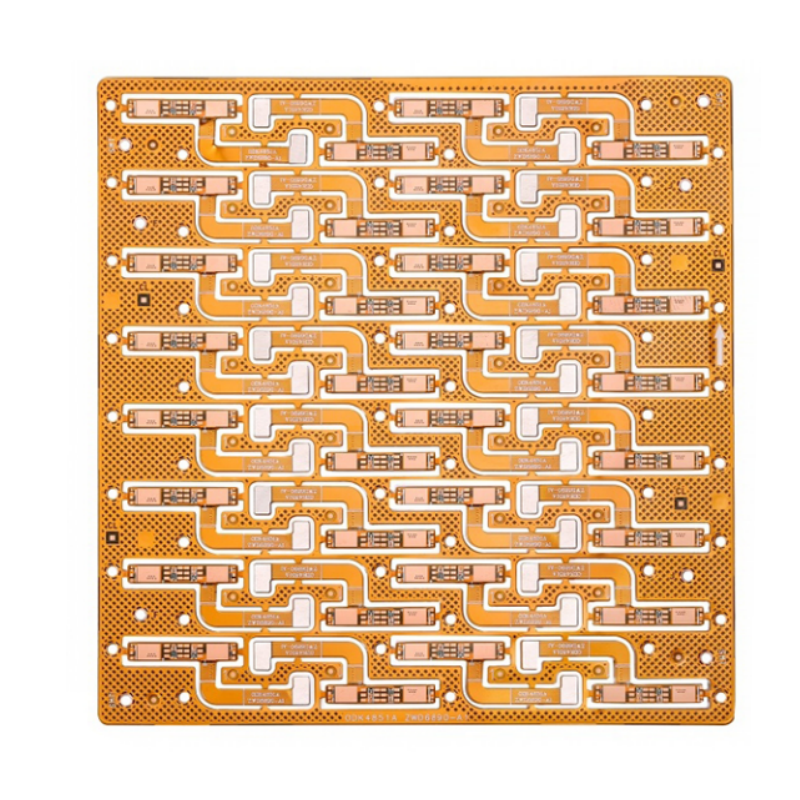
Traditional flexible circuits utilizing acrylic or epoxy adhesives between the polyimide (PI) film and rolled annealed (RA) copper often degrade under continuous dynamic bending and cyclic thermal stress. For demanding maritime and outdoor Kiwi deployments, Shenzhen VUKO manufactures adhesiveless copper-clad laminates (FCCL).
This yields ultra-thin cross-sections down to 0.05 mm, optimal dimensional stability during reflow, significantly lower outgassing, and superior flex life exceeding 1,000,000 continuous articulation cycles.
Dynamic Flex > 1M CyclesMulti-Zone Stiffener Integration
A primary design failure in flexible circuit assembly occurs at the mechanical interface between the supple interconnect tail and heavy SMT component connectors. We combine selective laser die-cutting with localized multi-zone stiffener laminations.
Engineers can specify precision-aligned FR4 for connector solder pads, stainless steel (SUS) for snap-lock rigidity, or ultra-thin Polyimide tabs to achieve 0.3mm ZIF connector zero-insertion tolerances without risking peel-back delamination or cracked traces under high vibration.
FR4, PI & SUS Hybrid ReinforcementsHigh-Reliability Surface Metallization
Flexible circuits are vulnerable to micro-fractures under gold embrittlement or improper copper crystal grain orientation. We deploy high-grade Electroless Nickel Immersion Gold (ENIG with 2-5µ” Au over 120-200µ” Ni) and immersion silver for fine-pitch pitch wire bonding and fine solder pads.
All copper traces subjected to continuous radius flexing are dynamically oriented along rolled copper grain paths, completely eliminating the brittle fatigue inherent in conventional electro-deposited (ED) foils.
Rolled Annealed Copper StandardVUKO Engineering Technical Capabilities for Custom FPC & Rigid-Flex
Detailed tolerance thresholds and processing parameters available for Wellington OEM projects.
| Substrate / Base Film | Polyimide (PI) 12.5µm to 50µm; PET options for cost-sensitive human-machine interface keyboards. | Layer Count Capacity | 1 to 8 Layers (Pure FPC); Up to 16 Layers for Rigid-Flex Multilayer Hybrid stack-ups. |
|---|---|---|---|
| Minimum Trace / Space | 0.05 mm / 0.05 mm (2 mil / 2 mil) for high-density interconnect routing. | Copper Foil Types | Rolled Annealed (RA) high-dynamic copper; Electro-Deposited (ED) static copper (0.5oz - 3oz). |
| Laser Micro-Via Drill | 0.075 mm minimum laser hole; 0.15 mm mechanical via drill capability. | Coverlay Finishes | Polyimide Coverlay film with thermal adhesive; Photo-imageable Flexible Soldermask (LPI). |
| Impedance Tolerance | Controlled single-ended (50Ω) and differential (90Ω/100Ω) ±8% verified via TDR testing. | Quality Standards | IPC-6013 Class 2 / Class 3, ISO 9001:2015, RoHS Compliant, UL 94V-0 certified flame retardancy. |
Targeted Applications Across the Wellington Regional Economy
Custom flexible circuit solutions engineered to solve space constraints, dynamic vibration, and atmospheric challenges in Wellington, Porirua, Lower Hutt, and the Kapiti Coast.
Sub-Sea Marine & Maritime Sensing
Wellington Harbour, Cook Strait, and coastal oceanographic research initiatives require telemetry probes that withstand high salinity, hydrostatic pressure, and relentless turbulence. Our immersion-gold FPCs provide reliable multi-conductor signal routing inside watertight, resin-potted sensor bodies where conventional wiring harnesses fail due to salt moisture ingress.
Oceanographic TelemetryMedTech & Precision Diagnostics
With Wellington's biomedical innovators pioneering non-invasive monitoring and handheld clinical gear, space optimization is paramount. Ultra-thin, biocompatible polyimide flexible circuits enable 3D folding inside compact ergonomic enclosures, interfacing miniaturized biosensors directly to main logic boards without adding weight.
Biocompatible Thin-FilmIoT Grid & Cleantech Hardware
New Zealand’s carbon-neutral grid investments and smart city infrastructures rely heavily on environmental air quality nodes, wind turbine telemetry, and smart water meters. VUKO supplies custom flexible printed antennas and sensor bus circuits optimized for LoRaWAN, NB-IoT, and 5G low-power microcontrollers.
LoRaWAN & Remote TelemetryIndustrial Motion Control & Robotics
High-speed packaging, automated processing lines, and custom robotics developed across the Hutt Valley industrial belt require dynamic flexing interconnects that do not work-harden or fracture. Our rolling-annealed polyimide flex assemblies offer robust continuous curvature inside compact robotic knuckles and gantry arms.
High-Gantry ArticulationStrategic Technology Trends Shaping Wellington's Hardware Demands
How evolving regulatory landscapes, circular economy initiatives, and miniaturization are steering hardware specifications in the Wellington Region.
Transition from Discrete Wire Looms to Rigid-Flex
Hand-soldered multi-wire harnesses consume valuable enclosure volume and introduce assembly human error during field maintenance. Wellington procurement teams are actively accelerating the transition toward rigid-flex hybrid architectures. Rigid-flex removes wire-to-board connectors altogether, slashing system package volume by up to 60%, reducing overall weight, and preventing field vibration failures across rugged transit and utility applications.
Eliminating Cable HarnessesIntegration of HMI Overlays with Direct Flex Circuits
OEM devices designed for New Zealand's agricultural and civil processing sectors demand sealed front interfaces capable of surviving pressure washing, UV radiation, and heavy physical actuation. The convergence of tactile membrane switches, capacitive touch sensors, and custom FPC backing layers provides IP67-rated ingress protection while maintaining a low-profile aesthetic footprint.
Rugged IP67 Human InterfacesStringent ESG & Lead-Free RoHS Compliance
New Zealand’s strict environmental stewardship guidelines demand that electronics entering the territory comply fully with RoHS, REACH, and conflict-free mineral frameworks. Shenzhen VUKO guarantees complete batch traceability for all laminates, adhesives, and solder pastes, delivering verified material certification packages required for swift New Zealand Customs border clearance.
100% RoHS & REACH TraceableWhy Engineering Teams Choose Shenzhen VUKO Electronics
Operating out of Shenzhen’s core electronics manufacturing zone, VUKO bridges high-velocity Chinese production with transparent, engineer-to-engineer communication.
Alibaba Onsite-Verified Facility
Over 14 consecutive years exporting to worldwide OEM buyers with audited facilities, verified financial standing, and end-to-end Trade Assurance payment protection.
Audited & BondedLow Prototyping MOQ (From 5 pcs)
We eliminate excessive batch barriers. Wellington start-ups and R&D laboratories can launch custom FPC and PCBA trials starting from just 5 units before scaling to volume.
Fast NPI ValidationRapid 24-Hour DFM & Quote
Send your RS-274X Gerber or ODB++ files along with your BOM. Our engineering division conducts a multi-point DFM check, identifying layout risks before tooling begins.
Preventing RespinsTurnkey BOM Component Sourcing
Direct partnerships with franchised component distributors in Shenzhen ensure genuine ICs, passives, optical sensors, and connectors with zero counterfeit risk.
Authentic ComponentsFrequently Asked Questions for Wellington Buyers
Clear, transparent answers addressing freight timelines, tariff codes, customs clearance, and quality assurance for New Zealand purchasers.
What is the door-to-door transit timeframe from your Shenzhen factory to Wellington, New Zealand?
For urgent prototype builds and pre-production batches, we ship direct via air express courier partners (DHL Express, FedEx International Priority, and UPS Express). Transit times from our dispatch dock in Shenzhen to your commercial address or lab in Wellington, Porirua, or Lower Hutt typically take 3 to 5 business days once clearance documentation is lodged.
For high-volume production rollouts, consolidated air freight or sea freight to CentrePort Wellington or the Port of Auckland with inter-island domestic forwarding can be scheduled to optimize logistical costs.
How does the New Zealand-China Free Trade Agreement (FTA) affect custom FPC imports?
Under the upgraded New Zealand-China Free Trade Agreement, printed circuit boards (Harmonized System Code HS 8534.00) and assembled printed circuit boards (HS 8543.70 / 8537.10) benefit from 0% preferential customs tariff duty when accompanied by a valid China-New Zealand FTA Certificate of Origin (Form G / Form N). VUKO supplies full customs declarations and preferential origin documentation with every shipment, ensuring you only account for standard New Zealand Goods and Services Tax (15% GST) upon import.
What specific design documentation do we need to supply for custom FPC and PCBA quotation?
To provide a definitive quotation and conduct a comprehensive Design for Manufacturability (DFM) assessment within 24 hours, our engineering desk requires:
1. CAD Manufacturing Data: Gerber RS-274X, Extended Gerber, or ODB++ datasets containing trace layers, coverlay openings, stiffener outlines, and NC drill files.
2. Mechanical Stack-up Drawing: Highlighting polyimide base thickness, copper weight (1/3oz, 1/2oz, 1oz), coverlay color, stiffener materials (FR4, PI, stainless steel), and critical dimensional tolerances.
3. Complete BOM (Bill of Materials): Required for turnkey FPC assembly (PCBA), specifying Manufacturer Part Numbers (MPN), approved second-source alternatives, reference designators, and package geometries.
4. Testing Specifications: Clear directives regarding flying probe electrical testing, automated optical inspection (AOI), bending radius parameters, or custom functional jigs.
How does VUKO protect against moisture absorption and dynamic fatigue in flexible circuits during transit across the Pacific?
Polyimide is an inherently hygroscopic polymer that readily absorbs atmospheric humidity. To prevent delamination, micro-voiding, or solder explosion ("popcorning") during your local assembly reflow process in New Zealand, all bare FPCs undergo thermal de-baking prior to packing. They are immediately sealed inside heavy-duty multi-layer ESD moisture barrier bags (MBB) containing desiccant sachets and calibrated humidity indicator cards (HIC).
For fully assembled FPCs, boards are fixed inside vacuum-formed anti-static blister trays to prevent delicate flex tails from bending beyond their designated minimum bend radii during international transit.
Can VUKO accommodate hybrid rigid-flex configurations and reverse-engineer legacy Kiwi hardware?
Yes. Our engineering division specializes in rigid-flex fabrication up to 16 layers, utilizing selective dielectric routing and laser profiling to combine multi-layer FR4 islands with internal polyimide dynamic flex layers. Furthermore, for legacy marine, telecommunications, or rail equipment in Wellington where original CAD databases have been misplaced, our PCBA reverse engineering team can extract schematics, trace netlists, and generate modern Gerber/BOM packages directly from undamaged physical golden samples.
Accelerate Your Wellington Hardware Project Today
From micro-pitch wearable flex circuits to ruggedized marine controllers, partner directly with Shenzhen’s verified manufacturing specialists. Upload your Gerber data and BOM for an immediate DFM feasibility audit and quote.