Featured PCB, FPC & Electro-Thermal Modules for Pacific Buyers
Engineered for off-grid power systems, remote communications, commercial resort automation, and marine instrumentation across Viti Levu, Vanua Levu, and outer island facilities.
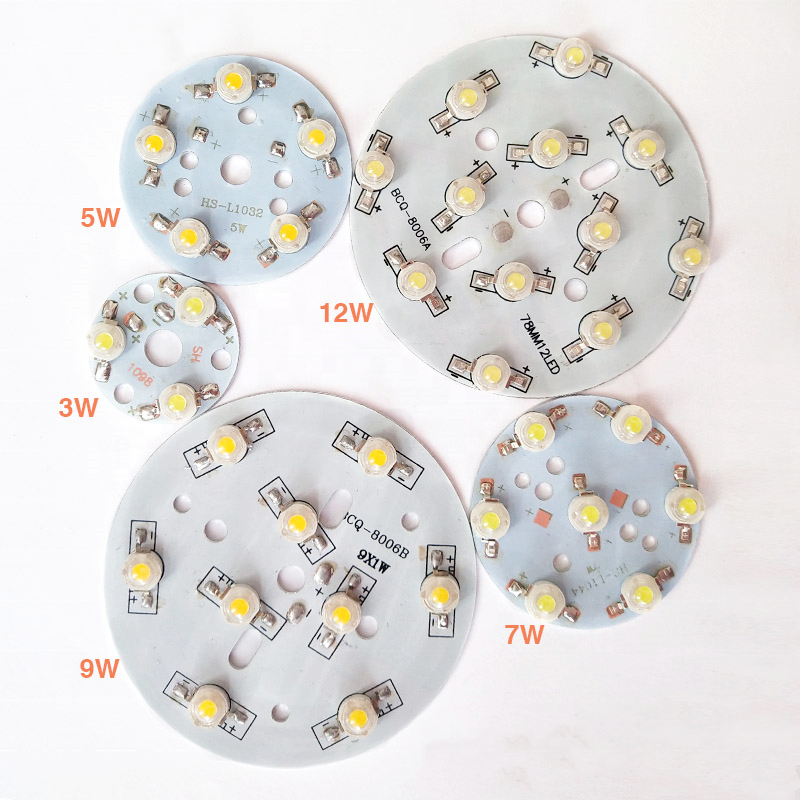
Custom Size Aluminum LED PCB PCBA Circular Bulb Lighting Board 0.5oz to 3oz Copper HASL OSP
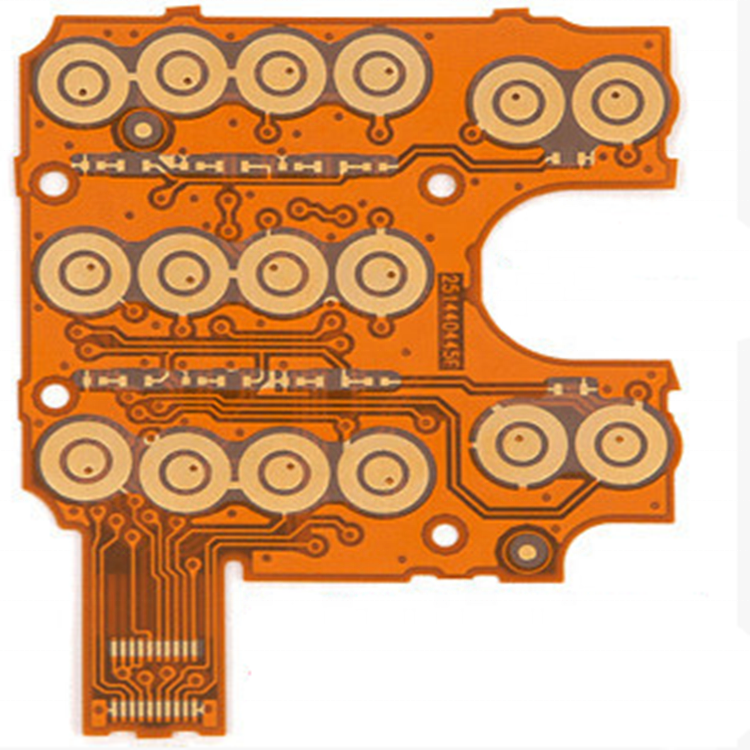
Shenzhen Factory Custom FPC FPCB Flexible PCB Board, Flexible Printed Circuit, FFC Tail, High Flexibility for Membrane Switch
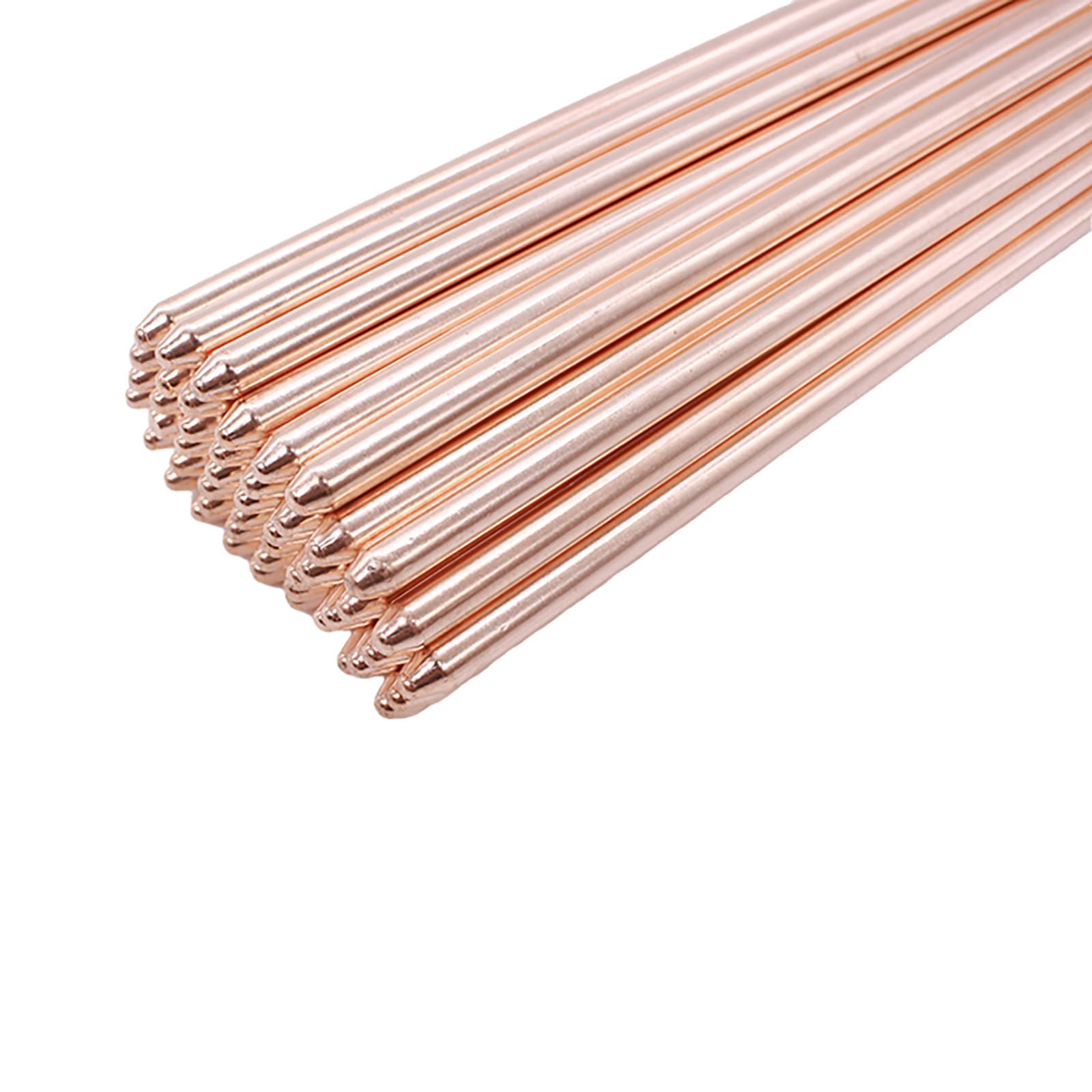
Custom Copper Heat Pipe 8 x 3 x 200 mm Lap CPU Cooling Thermal Transfer Tube
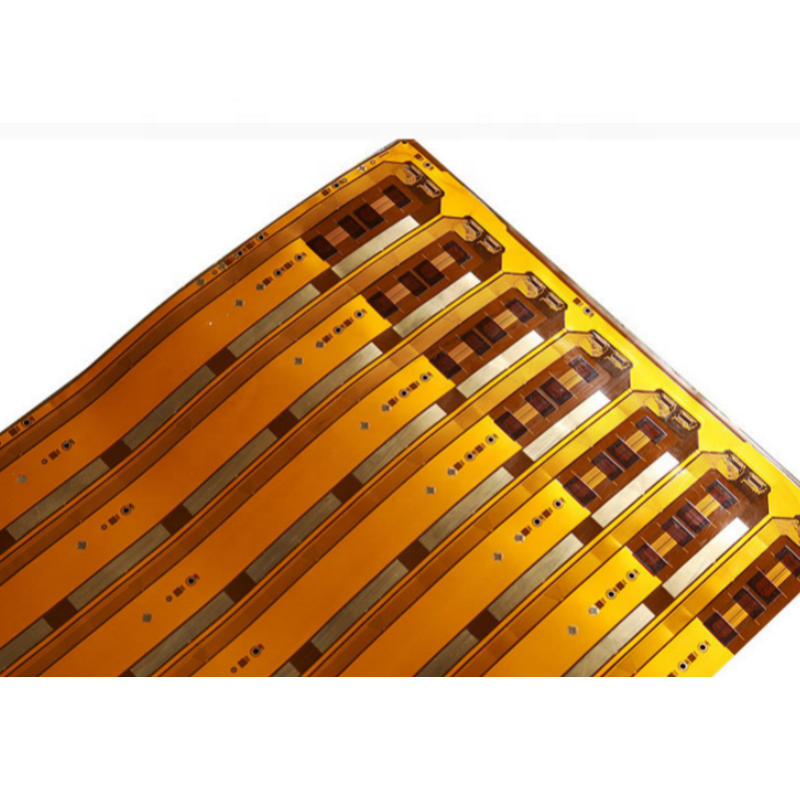
Low MOQ Fast Turn FPC Prototype, Custom Flex PCB Board, Single/Double Sided Flexible Printed Circuit, Quick Sample
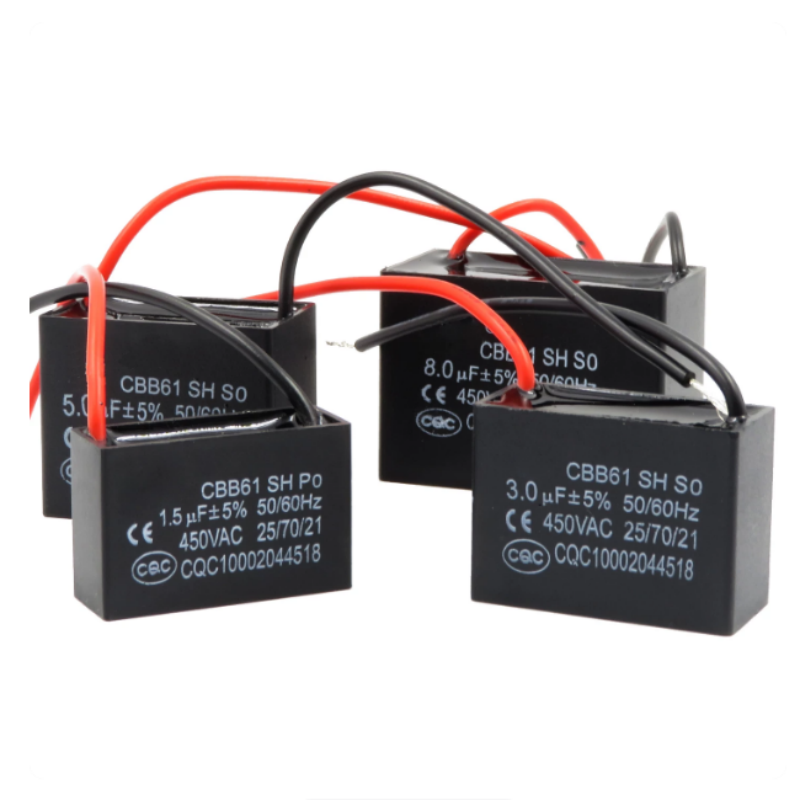
CBB61 450VAC Fan Starting Capacitor 1.2uF 1.5uF 1.8uF 2uF 2.2uF 2.5uF 3uF 4uF 5uF Ceiling Fan Cooking Range
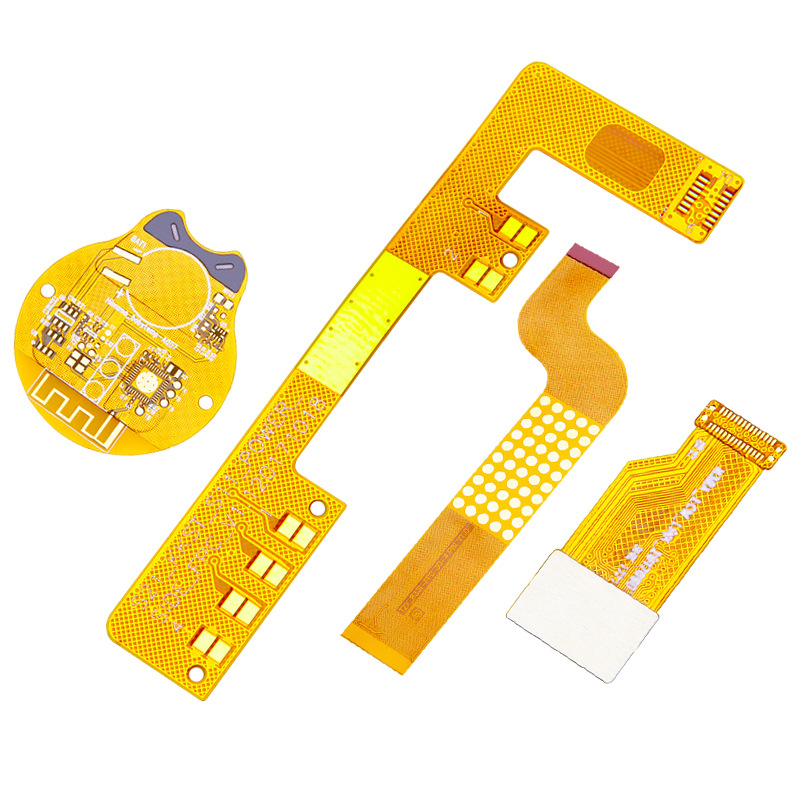
High Temperature Resistant FPC Flexible PCB, PI Substrate, Durable Bendable Flex Circuit for Industrial Control & Medical Device
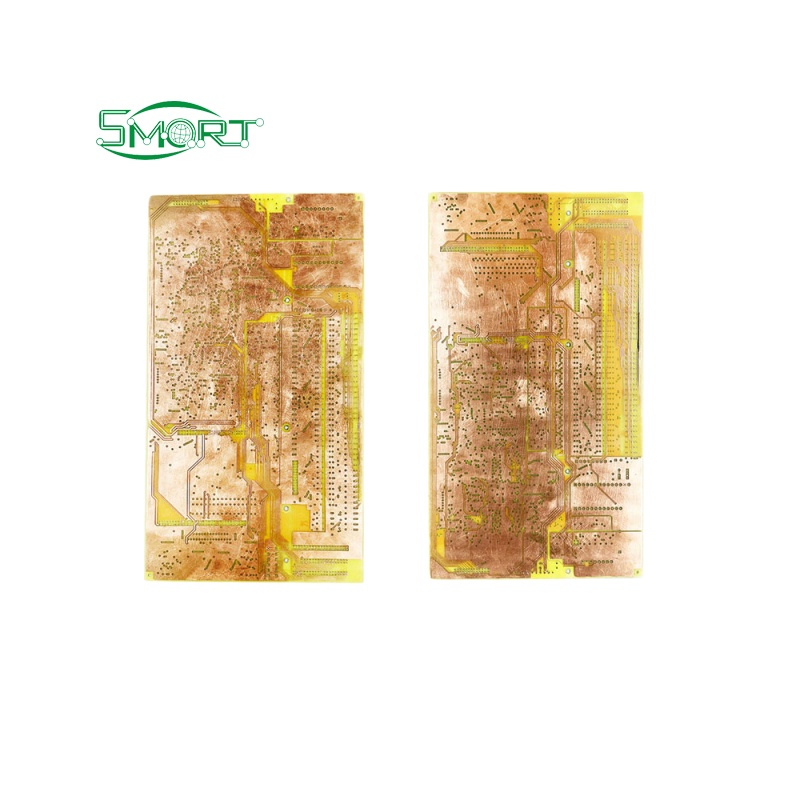
Smart Electronics Custom Multilayer PCB Board OEM Service FR4 Base Material 1oz Copper Thickness Custom PCB Fabrication
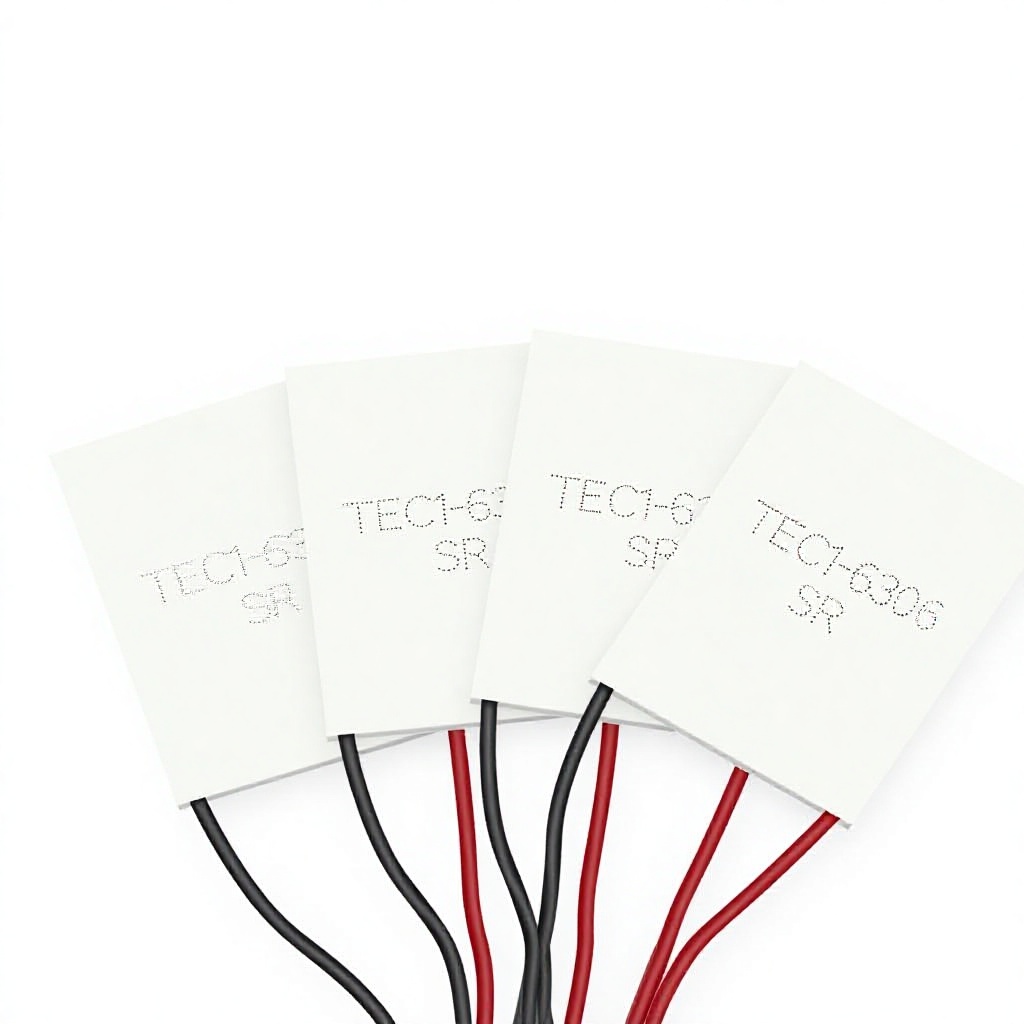
TEC1-12702 Thermoelectric Cooler 40 x 40mm Peltier Cooling Module Wire Leads DC 5-24V
Surface Metallurgy, Conformal Protection & Saline Resistance for Fiji
When deploying electronics across island archipelagos like Fiji, standard consumer FR4 substrates routinely succumb to rapid electrochemical migration (ECM), dendritic copper growth, and tin-whisker oxidation within 6 to 18 months. Below is our Shenzhen metallurgical benchmark for maritime survival.
Electroless Nickel Immersion Gold (ENIG)
For Fijian telecommunications, harbor sensors, and solar inverters, we prescribe ENIG (minimum 2–5 µin Gold over 120–240 µin Electroless Nickel). Unlike Hot Air Solder Leveling (HASL) which develops brittle intermetallic tin oxide micro-cracks under maritime thermal cycling, ENIG forms a continuous planar barrier that resists chloride ion penetration.
IPC-CC-830 Conformal Coatings
Tropical island air holds ambient relative humidity (RH) between 75% and 92% year-round in Suva and Nadi. We deploy automated selective spray conformal coating in silicone (for high-vibration marine outboards) and modified polyurethane or acrylic (resistant to sulfur fumes in agro-processing and sugar milling).
High-TG Low-CTE Dielectric Stacks
Cyclonic temperature shifts and direct tropical sunlight require FR4 core laminates with a Glass Transition Temperature (Tg) >170°C and Decomposition Temperature (Td) >340°C. This suppresses Z-axis thermal expansion, preventing plated through-hole (PTH) barrel fractures in heavy-copper power circuit boards.
| Finish / Material Attribute | Standard HASL (Economy) | Lead-Free HASL (Sn/Ag/Cu) | ENIG (Au/Ni) Industrial | VUKO Marine-Spec Aluminum MCPCB |
|---|---|---|---|---|
| Salt Spray Resistance (ASTM B117) | 24 Hours (Micro-pitting) | 48 Hours (Grain oxidation) | 96+ Hours Compliant | 168+ Hours with Coating |
| Surface Planarity (Coplanarity) | Non-uniform (Solder bumps) | Uneven (Risky for QFN/BGA) | Atomically Flat (<0.05 mm) | Uniform Flat Substrate |
| Shelf Life in Island Humidity (60–90% RH) | 4–6 Months before wetting loss | 6–8 Months | 18–24 Months in Moisture Barrier | 24 Months (Hermetic Packaging) |
| Thermal Conductivity (W/m·K) | 0.25–0.30 (FR4 Core) | 0.25–0.30 (FR4 Core) | 0.25–0.35 (FR4 Core) | 1.5 to 5.0 W/m·K (Al-Core) |
| Recommended Fiji Applications | Disposable consumer toys, short-run | Indoor dry appliances (Suva office) | Solar inverters, Starlink POE, Marine | LED streetlights, high-bay factory lights |
When sourcing bare PCBs or assembled boards from Shenzhen to Fiji via air cargo into Nadi Airport (NAN) or ocean containers through Suva/Lautoka Ports, humidity ingress during maritime transit is the silent killer of PCBA reflow yield. Shenzhen VUKO Electronics packages every Fiji export batch according to IPC/JEDEC J-STD-033D using 4-layer aluminum foil moisture-barrier bags, active clay desiccants calibrated to total transit volume, and 6-spot reversible humidity indicator cards (HIC). This guarantees that your SMT assembly team in Fiji avoids popcorning and delamination during subsequent soldering runs.
Where Our Circuit Boards Power Fiji’s Modern Infrastructure
From government-backed electrification projects across remote maritime provinces to smart resort automation along the Coral Coast, our PCB engineering directly solves localized operational friction.
Off-Grid Solar Microgrids & Island Battery Storage (BMS)
Fiji's outer islands (Lau Archipelago, Kadavu, Lomaiviti) rely on decentralized solar PV installations. We manufacture 2oz–4oz heavy copper PCBs engineered for Maximum Power Point Tracking (MPPT) charge controllers, 1S–16S Lithium-iron phosphate (LiFePO4) Battery Management Systems, and 48V DC-to-AC pure sine wave inverters that tolerate sudden thermal surges without trace delamination.
Marine Navigational Telemetry & Port Logistics
Commercial vessels, inter-island ro-ro ferries, and harbor facilities in Suva Harbour and Lautoka Port demand IP67/IP68-sealed hardware. Our polyimide FPC interconnects, corrosion-resistant membrane switches, and ENIG multilayer boards power VHF communication radios, GPS tracking transponders, sonar sounders, and crane automation control consoles.
Luxury Tourism & Coral Coast Resort Automation
High-end resorts on Denarau Island, the Mamanuca Group, and Pacific Harbour require ultra-reliable tactile keypad interfaces, RF access control cards, and architectural LED illumination. Our custom circular aluminum MCPCBs deliver high-lumen illumination with rapid thermal dissipation, surviving the brutal combination of beachfront ocean salt mist and non-stop AC cooling cycles.
Agro-Industrial Automation (Sugar Milling & Forestry)
Heavy agro-processing at the Fiji Sugar Corporation (FSC) mills in Lautoka, Rarawai, and Labasa involves intense dust, vibration, and thermal shifts. We produce vibration-damped FR4 boards and solid-state heat-pipe assemblies designed for programmable logic controller (PLC) modules, cane-crushing speed sensors, and automated boiler instrumentation.
Remote Satellite Connectivity & Starlink Integration
With Fiji accelerating satellite Internet distribution across remote health clinics and primary schools, local integrators require high-frequency low-loss RF PCB boards (Rogers/Teflon substrates) and high-power PoE (Power over Ethernet) step-up daughterboards capable of handling continuous 150W DC supplies under 35°C ambient shade temps.
Fisheries Cold-Chain Monitoring & Refrigeration
Pacific albacore and yellowfin tuna export processing requires stringent HACCP compliance. Our TEC1 thermoelectric Peltier cooling controllers and CBB61 fan-starting motor capacitors ensure uninterrupted sub-zero refrigeration monitoring, preventing cargo spoilage during transit between outer-island longline boats and Suva deep-water processing hubs.
Fiji Electronics & Hardware Procurement Trends (2025–2030)
Fiji's rapid transition from legacy diesel infrastructure to smart, green, and digitized network systems is transforming wholesale PCB procurement across the South Pacific trade corridor.
1. Accelerated National Electrification (NDP Targets)
Under the Fiji 20-Year National Development Plan, the nation targets 100% renewable electricity generation by 2036. This policy has driven an exponential increase in procurement for high-voltage DC circuitry, solar inverter bridge driver boards, and intelligent energy metering PCBA for rural electrification projects supported by international development financing.
2. Rise of Decentralized Pacific IoT & Telemetry
Fiji's meteorological agency and regional environmental institutions are rolling out real-time disaster warning sensors (cyclone tracking, river basin flood telemetry, tsunami wave monitoring). These autonomous platforms require ultra-low power microcontroller PCB boards, onboard solar battery protection, and high-frequency LoRa/cellular gateway modules.
3. Shifting from Sub-Assembly Replacement to Local PCB Servicing
Global supply chain volatility has made complete equipment replacement unviable for Fijian engineering workshops. Local maintenance hubs in Walu Bay (Suva) and Namaka (Nadi) increasingly rely on Shenzhen VUKO's PCB cloning, schematic recovery, and low-MOQ prototype runs to repair multimillion-dollar marine engines and packaging machinery locally.
Why Pacific Engineering Buyers Partner with Shenzhen VUKO
Operating at the epicenter of the global electronics hardware ecosystem, Shenzhen VUKO Electronics Co., Ltd. eliminates intermediate trading brokers to provide direct factory pricing, traceable BOM components, and rigorous ISO 9001 certified manufacturing.
Full Turnkey BOM Procurement
Never scramble with fragmented component suppliers. We manage comprehensive BOM kitting from authorized global semiconductor agents (Mouser, DigiKey, Arrow, and certified domestic direct fabs), guaranteeing genuine ICs, MLCC capacitors, MCU microprocessors, and connectors with zero counterfeit risk.
High-Precision SMT & DIP Lines
Our workshop houses high-speed Yamaha and Panasonic surface mount placement machines handling components down to 01005 passives and 0.3mm fine-pitch BGA arrays. Equipped with 10-temperature-zone nitrogen reflow ovens, automated solder paste inspection (SPI), and dual-track wave soldering.
100% Comprehensive Quality Testing
Every batch shipped to the South Pacific undergoes rigorous verification: Flying Probe electrical testing for bare boards, automated optical inspection (AOI) post-SMT, X-ray inspection for hidden BGA ball voids, and custom functional testing fixtures (FCT) built according to customer-supplied test firmware.
PCB Reverse Engineering & Cloning
Do you have discontinued marine boat machinery, sugar mill controllers, or power supplies with no schematics or Gerber files available? Send a physical golden sample to our Shenzhen laboratory. Our engineers perform precision delayering, component schematic extraction, and bill of materials generation for exact functional replication.
International Compliance Assured
All fabricated circuit boards and assemblies strictly comply with RoHS restricted-substance directives, CE certifications, and meet UL 94V-0 flammability safety ratings. Fully audited by SGS/Alibaba.com as an Onsite-Verified Global Manufacturer for complete institutional procurement security.
Established Fiji Shipping Logistics
We provide streamlined door-to-door delivery pathways to Fiji: DHL, FedEx, and UPS air express arriving at Nadi International Airport (NAN) in 3–5 working days for urgent prototypes, or consolidated LCL/FCL ocean container cargo to Suva (Kings Wharf) and Lautoka Wharf within 16–22 sailing days.
Frequently Asked Questions for Fiji PCB & PCBA Importers
Clear, actionable answers addressing custom clearance, import duties, moisture protection, and ordering logistics tailored specifically for procurement managers in Suva, Lautoka, and Nadi.
What documents and design files are needed to receive a custom quote?
For bare PCB fabrication, please provide industry-standard Gerber files (RS-274X format) or ODB++ data along with Excellon drill files, stack-up specification, copper thickness (e.g., 1oz, 2oz, 3oz), surface finish (HASL vs ENIG), and requested volume.
For turnkey PCBA assembly, we additionally require: (1) A comprehensive Bill of Materials (BOM) in Excel format with exact manufacturer part numbers (MPNs) and reference designators, (2) Pick-and-place centroid coordinate file (X-Y data), and (3) Assembly drawings or special functional testing protocols.
How do custom duties and FRCS clearances work when importing PCBs into Fiji?
Printed Circuit Boards and electronic sub-assemblies exported to Fiji are classified under HS Code 8534.00 (Printed Circuits) and HS Code 8542.31 (Electronic Integrated Circuits). Under the Fiji Revenue & Customs Service (FRCS) tariff schedule, bare industrial circuit boards often enter under preferential or duty-concessionary rates, subject to standard Fiji Value Added Tax (VAT).
Shenzhen VUKO Electronics provides all required commercial documentation, including Commercial Invoices with accurate HS codes, Packing Lists, Certificates of Origin (CO), and formal Airway Bills (AWB) or Ocean Bills of Lading (B/L) to ensure zero demurrage delays at Suva Kings Wharf or Nadi Air Cargo terminals.
What are the realistic transit lead times from Shenzhen to Fiji?
We provide two optimized shipping modes depending on your project schedule:
- Air Express (DHL / FedEx / UPS Priority): 3 to 5 business days transit directly from Shenzhen/Hong Kong to Nadi (NAN) or Suva, ideal for rapid prototyping runs, emergency breakdown repairs, and high-value small batch assemblies.
- Ocean Consolidated Freight (LCL / FCL): 16 to 22 calendar days port-to-port sailing from Chiwan/Shekou Port to Suva Port or Lautoka Port. Recommended for bulk production, heavy aluminum LED boards, and volume functional modules.
How do you protect electronic assemblies against maritime humidity and salt corrosion?
Corrosion mitigation begins during the PCB fabrication stage: we recommend ENIG surface gold finishes to eliminate raw copper oxidation. During assembly, we can apply automated silicone or polyurethane conformal coating that seals board traces and SMT joints against salt spray, mold, and condensation.
For transit, all shipments are vacuum-sealed inside antistatic ESD Moisture Barrier Bags (MBB) with active desiccant pouches and humidity indicator cards, packed inside heavy-duty 5-ply corrugated export master cartons protected against equatorial drop and swell.
What is your Minimum Order Quantity (MOQ) and payment security?
We understand that Pacific island engineering projects require agility. Our Minimum Order Quantity starts from just 5 pieces for custom bare PCB prototypes and PCBA pilot runs. We support scaling seamlessly to tens of thousands of units for ongoing production contracts.
For payment security, Fijian buyers can transact directly via Alibaba.com Trade Assurance, which guarantees on-time delivery and protects payment funds until goods are inspected and confirmed. We also accept international Telegraphic Transfer (T/T), PayPal, and irrevocable Letters of Credit (L/C) for established corporate accounts.
Empower Your Fiji Hardware Projects with Direct China Direct Manufacturing
Submit your Gerber files and BOM component list today. Our Shenzhen engineering and DFM team will analyze your stackup, review trace tolerances, and deliver a comprehensive quotation within 24 hours.
- Free 24h DFM Engineering File Audit
- Authentic Component Sourcing Guarantee
- Fast Express to Nadi & Suva Port
- Full Trade Assurance Order Protection