FPC Keypad
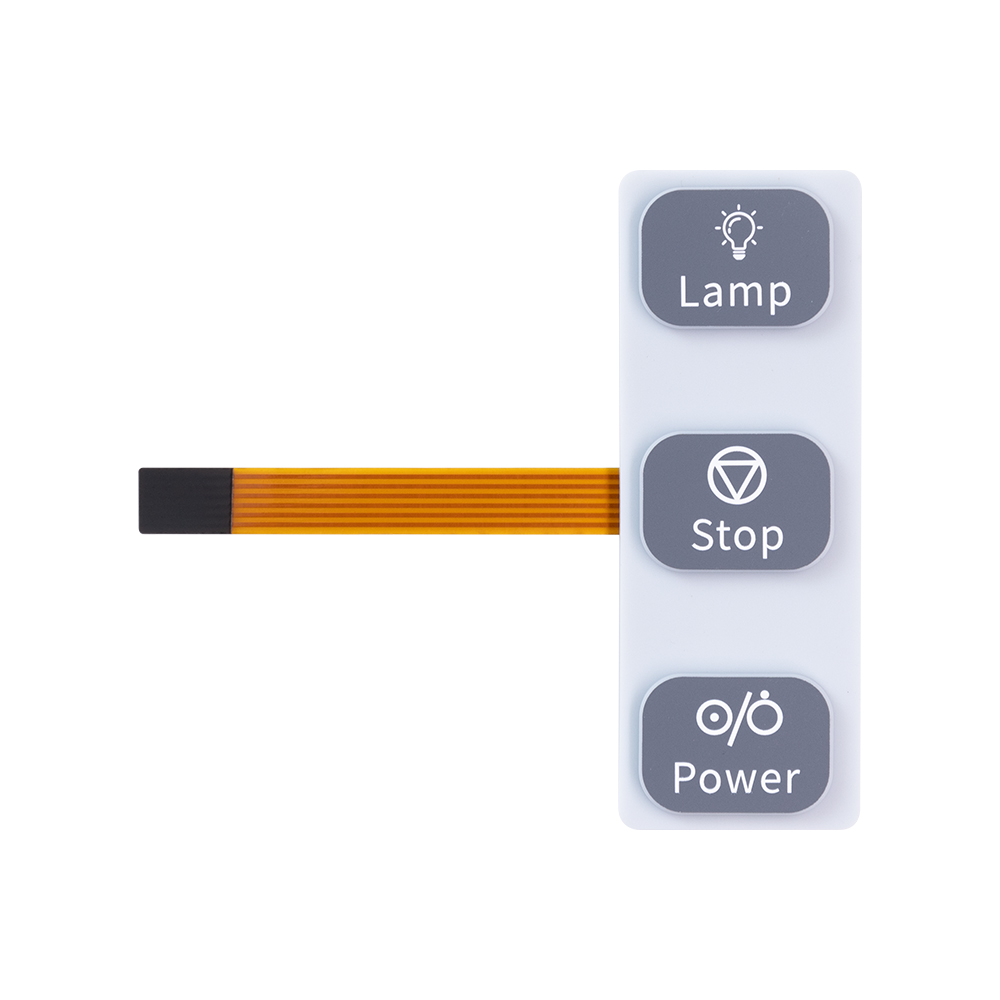
Precision-fabricated flexible circuits, user-interface membrane keypads, and high-efficiency thermal power components built under strict IPC-A-610 standards to guarantee operational longevity in harsh Pacific environments.
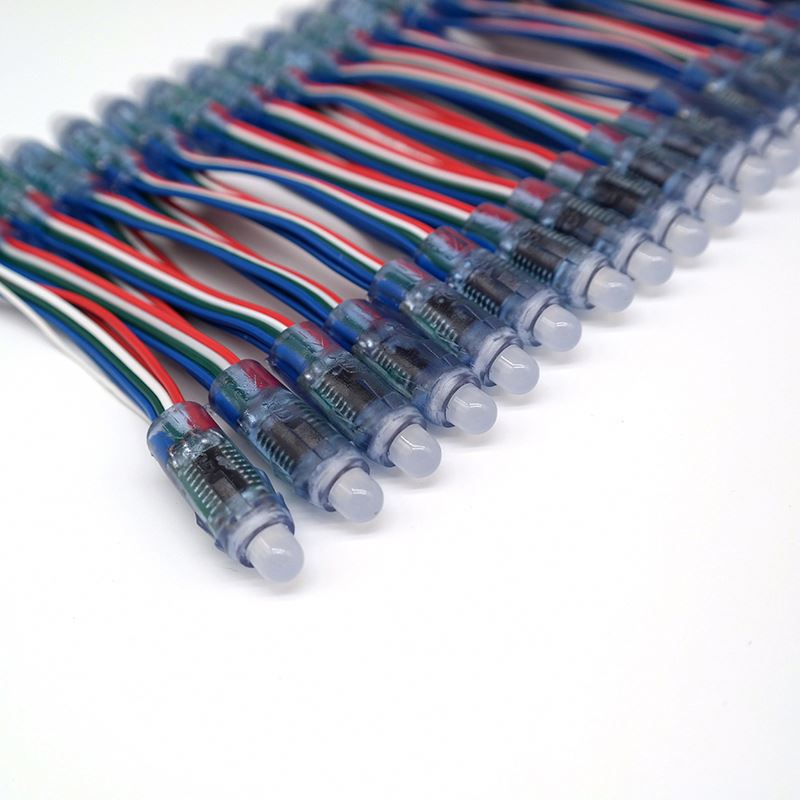
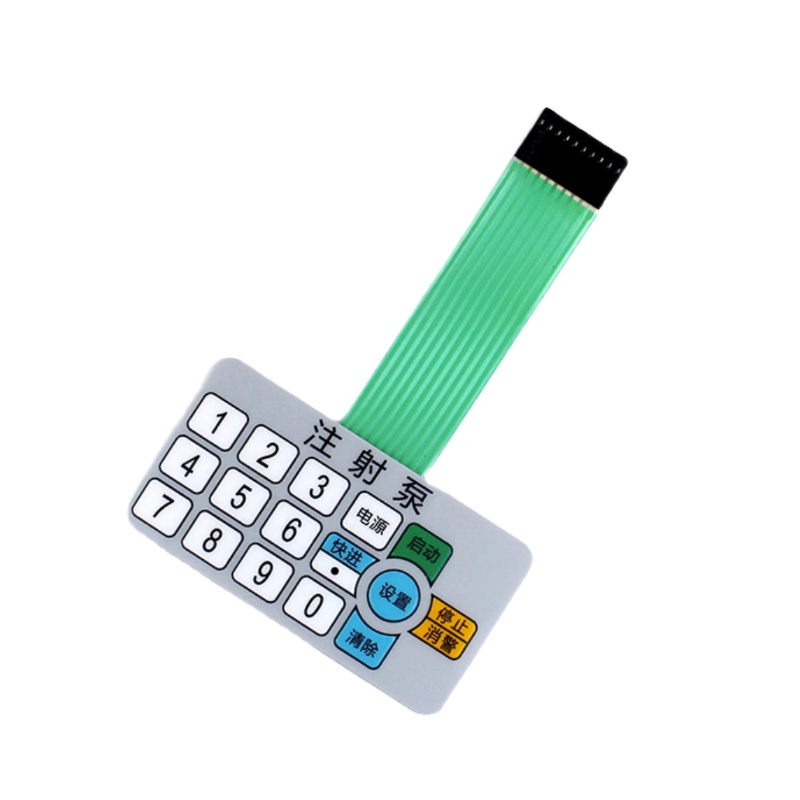
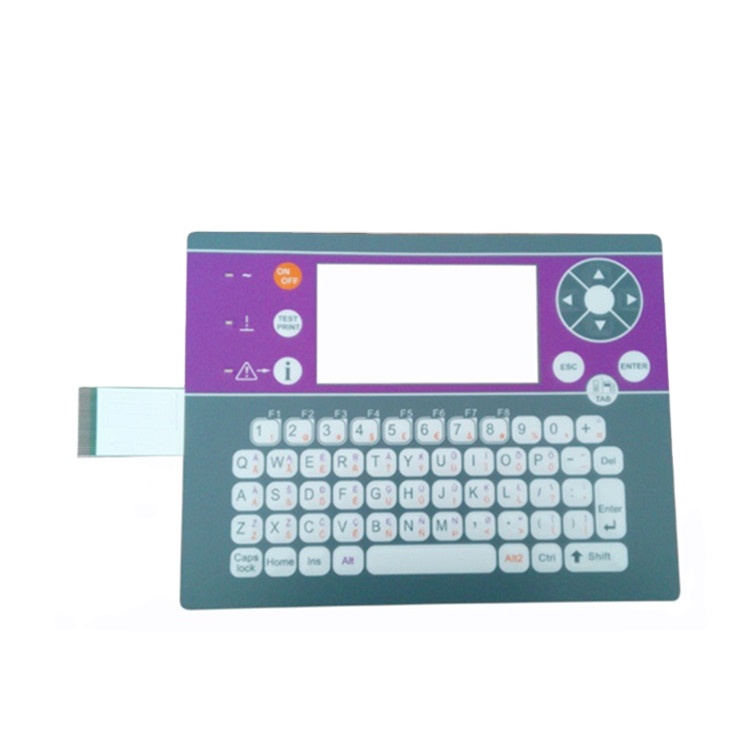
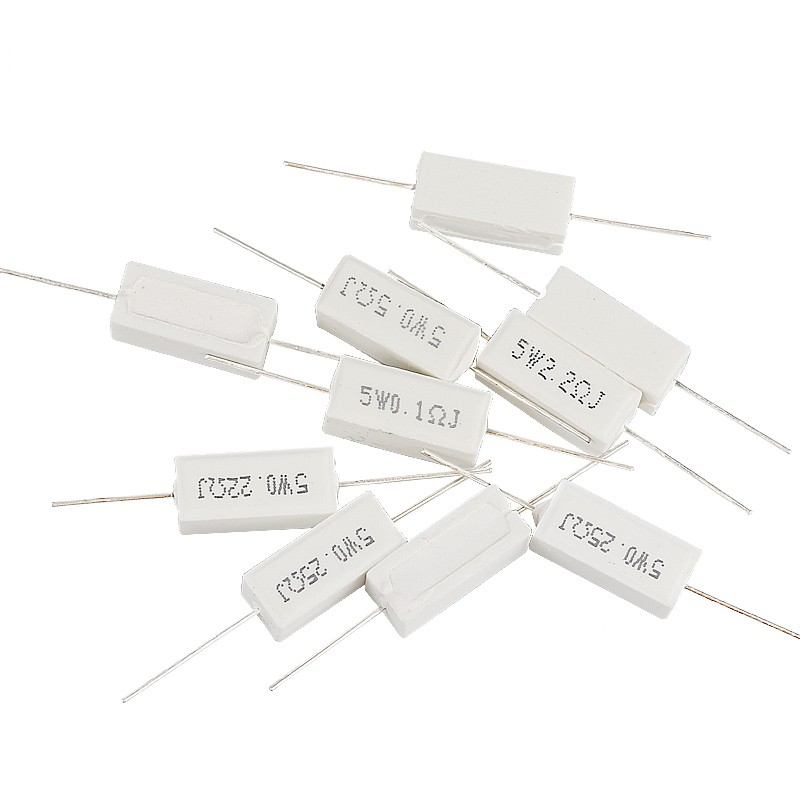
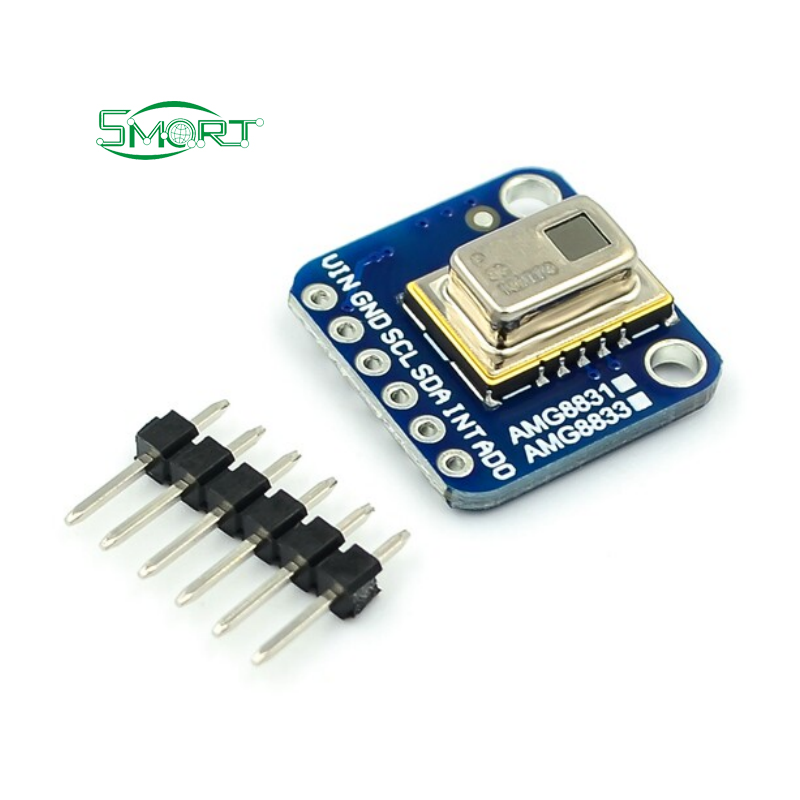
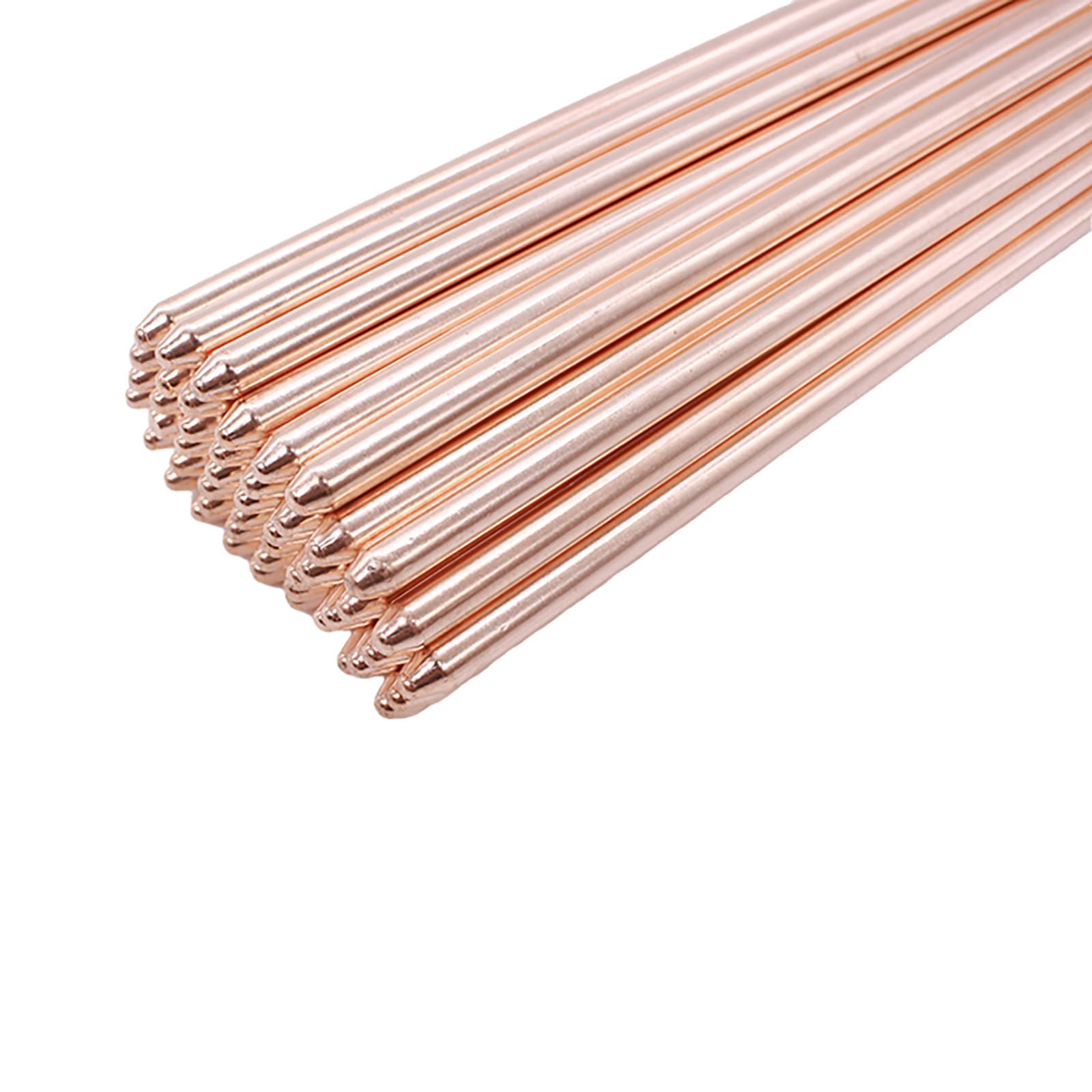
Flexible Printed Circuits (FPC) and Rigid-Flex multi-layer stackups have rapidly replaced conventional wire harnesses and rigid FR-4 substrates across advanced oceanic, industrial, and micro-grid telemetry platforms. When deploying electronic assemblies to remote coastal environments such as Asau, standard off-the-shelf printed circuit designs frequently experience catastrophic failure due to three persistent environmental antagonists: continuous hygroscopic saturation, ambient airborne halogen concentrations (sodium chloride salt-fog), and steep thermal cycling. Specifying an enterprise-grade flexible circuit demands a comprehensive understanding of substrate dielectric chemistry, copper crystal morphology, coverlay bondline integrity, and anti-corrosive metallization.
Shenzhen VUKO Electronics Co., Ltd. serves international engineering teams, municipal contractors, and hardware integrators operating throughout Asau and the broader South Pacific territory. Through direct fabrication pipelines in Shenzhen, China, our manufacturing infrastructure delivers mil-spec and industrial-class polyimide (PI) flex systems designed in strict alignment with IPC-6013 Class 2 and Class 3 criteria. By bridging advanced surface-mount assembly (PCBA), automated component kitting, and sealed membrane switch interfaces under a single roof, we eliminate multi-tier procurement volatility, assuring complete traceability from raw copper foil lamination down to vacuum-sealed moisture barrier packaging.
Conductor longevity in flexible circuit assemblies is fundamentally determined by the copper deposition methodology. Within our specialized factory lines, we utilize two core copper variants depending on whether the circuit operates in a static "flex-to-fit" or dynamic flexing environment:
1. Rolled Annealed (RA) Copper: Manufactured through an extensive thermal-mechanical rolling process, RA copper features elongated, horizontal crystal grain structures aligned parallel to the flexible polyimide plane. When an FPC subjected to installation bends or continuous mechanical flexing—such as maritime gimbal assemblies, solar tracking actuators, or portable diagnostic probes—RA copper exhibits remarkable fatigue endurance, capable of surviving over 500,000 to 2,000,000 flex cycles at minimum bend radii without conductor work hardening or crack propagation.
2. Electro-Deposited (ED) Copper: Produced via electrolytic plating baths, ED copper displays vertical, columnar grain boundaries. While offering superior bond strength on rigid FR-4 materials, standard ED copper is prone to brittle fracture when subjected to dynamic mechanical flexing. However, for static installations—such as folded interior harnesses in coastal power inverters or compact weather telemetry enclosures—high-ductility ED copper represents a cost-effective, dimensionally stable alternative.
The standard failure point of legacy flexible circuit boards in high-humidity oceanic zones like Asau is the acrylic or modified epoxy adhesive layer historically used to bond the copper foil to the dielectric base. Under prolonged exposure to tropical ambient humidity exceeding 85% RH and temperatures above 32°C, these hygroscopic adhesives absorb moisture, precipitating dielectric breakdown, reduced insulation resistance, and conductor delamination under reflow thermal shock.
VUKO mitigates this vulnerability by standardizing on adhesiveless polyimide laminates (cast-on or sputtered copper directly onto DuPont Kapton® polyimide film). Adhesiveless substrates offer significant operational advantages: a 30% reduction in total stackup profile, superior thermal dissipation, moisture absorption rates held strictly under 0.8%, and continuous operational temperature ratings spanning -50°C to +150°C, with intermittent thermal tolerance up to 260°C for lead-free SAC305 assembly.
| Performance Characteristic | Adhesive-Based Flex (Legacy) | Adhesiveless Polyimide (VUKO Standard) | Rigid-Flex Hybrid Composite |
|---|---|---|---|
| Base Substrate Thickness | 0.12 mm – 0.25 mm | 0.05 mm – 0.12 mm | 0.30 mm – 2.4 mm (Integrated) |
| Moisture Absorption (24h immersion) | 1.8% – 3.2% (High Risk) | < 0.8% (Marine Hydrophobic) | < 1.0% (Z-Axis Sealed) |
| Dynamic Flex Endurance (RA Cu) | ~50,000 cycles | > 500,000 – 2,000,000 cycles | > 250,000 cycles (Hinge Zones) |
| Dielectric Strength (kV/mil) | 4.5 kV/mil | 7.0 kV/mil | 6.0 kV/mil (Interlayer) |
| Thermal Conductivity (W/m·K) | 0.18 W/m·K | 0.35 W/m·K | Variable (MCPCB heat sinks integrated) |
| Surface Finish Compatibility | HASL / Flash Gold | ENIG / Immersion Silver / ENEPIG | ENIG / Hard Electrolytic Gold |
The geographic and climatic profile of Asau—characterized by direct Pacific ocean frontage, tropical marine microclimates, high solar irradiance, and logistically isolated off-grid utility grids—defines the explicit engineering criteria for electronic components. Standard consumer electronics routinely suffer trace oxidation, galvanic bridge shorting, and mechanical stress fractures within months of deployment. VUKO manufactures flexible and rigid-flex systems customized for the following core industrial use-cases across Asau:
1. Marine Telemetry, Harbor Operations & Aquaculture Monitoring: Asau's maritime port operations, naval navigation buoys, and coastal aquaculture pens require sub-surface sensor arrays, GPS tracking transceivers, and water quality telemetry probes. Flexible circuits fabricated by VUKO serve as ultra-compact, vibration-resistant interconnects connecting underwater pressure sensors to RF transmitting modules. Protected by vacuum-deposited parylene or silicone-modified polyurethane conformal coatings, our FPCs prevent ionic migration across high-density pitch connectors even under direct salt-mist permeation.
2. Solar Microgrid Inverters & Energy Storage Systems (BMS): Like many regional island hubs, Asau prioritizes renewable solar microgrids and off-grid battery energy storage systems (BESS). Traditional wire harnesses in multi-cell lithium iron phosphate (LiFePO4) battery packs introduce hundreds of manual crimp connections that degrade and create thermal hot-spots under tropical humidity. VUKO supplies custom multi-layer FPCs engineered with integrated NTC thermistors, nickel contact tabs, and cell-voltage balancing traces. These flexible busbars replace complex wire bundles, streamline pack assembly, and ensure milliohm-level balance monitoring across fluctuating battery temperatures.
3. Heavy-Duty Industrial Human-Machine Interfaces (HMI): Agricultural processing, fish cold-storage facilities, and municipal utility stations across Asau demand operator interfaces capable of withstanding constant water washdowns, UV sunlight degradation, and corrosive atmospheres. VUKO integrates flexible printed circuits directly into custom IP67 and IP68 sealed membrane switch assemblies. Featuring embossed tactile metal domes, graphic overlays printed on chemically resistant Autotex® polyester, and rear-laminated 3M 300LSE acrylic adhesives, our HMI panels prevent moisture ingression and guarantee over 1,000,000 continuous switch actuations.
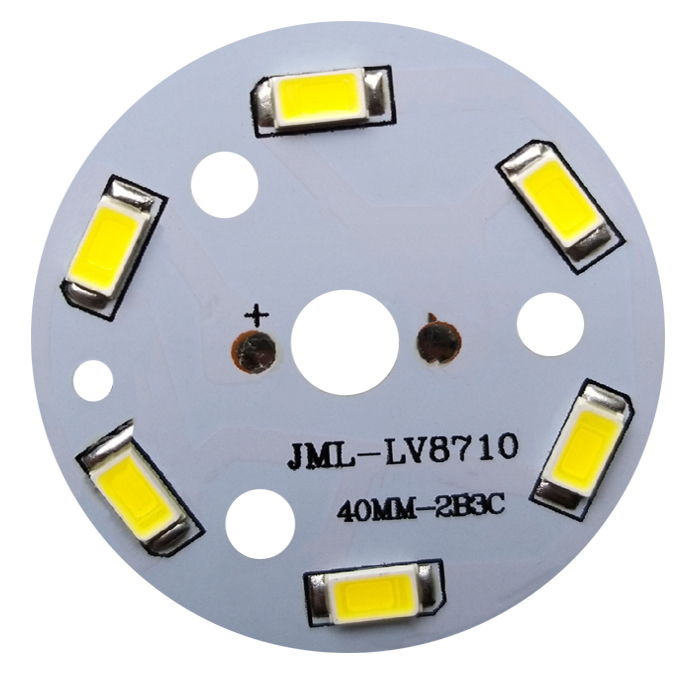
4. High-Efficiency LED Street Lighting & Navigational Beacons: Outdoor municipal lighting in coastal environments demands superior thermal management to avoid early junction breakdown of high-power LED arrays. VUKO manufactures single and double-sided Aluminum-Core Metal-Core PCBs (MCPCBs) with thermal conductivities reaching 1.0 to 5.0 W/m·K, paired with copper heat-pipe assemblies. When mounted inside sealed, weather-tight luminaire fixtures, our boards extract heat directly from 5730 and 2835 SMD LED arrays, sustaining continuous lumen output and mitigating thermal decay caused by equatorial ambient heat.
Procurement strategies for hardware developers supplying the Asau and Pacific Rim markets are transitioning through several critical paradigms:
A. Consolidation into Rigid-Flex 3D Architectures: Designers are shifting away from separate rigid motherboards connected by ribbon cables and discrete headers. Rigid-flex circuitry integrates FR-4 component-carrying zones with permanently bonded polyimide flex ribbons, completely eliminating mechanical board-to-board connectors. This architecture reduces assembly volume by up to 60%, slashes system weight, and removes the single most frequent failure point in dynamic machinery—connector contact fretting corrosion.
B. High-Density Interconnect (HDI) and Micro-Via Integration: As IoT sensing devices and edge-computing micro-controllers become more compact, FPC design rules have adopted micro-vias down to 0.05 mm drilled via UV laser systems, with conductor trace and space width reduced to 0.04 mm / 0.04 mm (1.6 mil / 1.6 mil). Shenzhen VUKO maintains class-leading automated optical inspection (AOI) and vacuum etching lines capable of maintaining consistent characteristic impedance (50Ω single-ended, 90Ω/100Ω differential) across RF antenna loops and high-speed telemetry lines.
C. Component Assembly Directly on Flex (SMT on FPC): Rather than using flex solely as a passive conduit, modern builds require surface-mount placement of active ICs, BGA packages, 0201 resistors, sensors, and LED indicators directly onto the flexible substrate. VUKO implements localized FR-4, polyimide, or stainless-steel stiffeners beneath component zones, creating localized rigid islands that prevent solder joint shear during flexural installation.
Clear answers on file generation, ocean-safe packaging, DFM design rules, minimum orders, and shipping logistics to ensure seamless procurement from our Shenzhen factory floor to your local assembly bench.
Combining advanced flex fabrication, precision SMT assembly, component procurement, and user-interface engineering under one consolidated manufacturing standard.
No need to coordinate across disparate suppliers. VUKO fabricates bare FPCs, sources complete BOM active and passive components, conducts turnkey SMT/DIP placement, builds custom stencils, and integrates sealed membrane switch panels under a unified quality audit.
Every submitted layout file is scrutinized by senior PCB design engineers within 24 hours. We identify critical footprint errors, impedance deviations, insufficient annular rings, and hazardous copper etching choke points before the metal touches chemical etching tanks.
As an Onsite-Verified supplier on Alibaba.com for over 14 years, our global client orders are backed by Alibaba Trade Assurance. Buyers in Asau enjoy 100% payment protection, assured on-time dispatch schedules, and strict adherence to technical product specifications.
Need to maintain mission-critical legacy machinery with unavailable schematics? Our reverse-engineering laboratory reconstructs multi-layer Gerber files, layer stackups, and complete BOM lists from a single working physical PCB sample, bringing obsolete infrastructure back to life.
Every batch of raw laminates, coverlays, soldermasks, and molding plastics carries authenticated flame-retardant ratings and full compliance with European RoHS/REACH environmental substance directives, ensuring high fire safety and regulatory clearance.
No generic ticket queues. Every inquiry from Asau is assigned a dedicated bilingual engineering project lead who coordinates DFM reviews, prototype adjustments, firmware flashing instructions, functional test fixtures, and shipping tracking numbers directly with you.
Upload your Gerber RS-274X files, BOM, or engineering concepts today. Our Shenzhen engineering hub will inspect your layer stackup and return an exhaustive DFM analysis alongside a competitive quotation within 24 hours.
Connect immediately with our technical sales engineers via real-time consultation:
Contact Us