High-TG HDI PCB Engineering Architecture: Thermal & Structural Superiority
High-Density Interconnect (HDI) boards featuring high glass transition temperature (High-Tg ≥ 170°C to 180°C) laminates have become the structural standard for precision electronics across modern industrial clusters in Copenhagen, Aarhus, Odense, and Aalborg. When fabricating boards with fine-pitch microvias, laser-drilled blind and buried vias, and line widths down to 3/3 mil (75/75 µm), material stability under thermal stress is critical. Standard FR-4 laminates undergo dramatic volumetric expansion once operating temperatures breach their 130°C threshold, resulting in Z-axis barrel fatigue, copper peeling, and microvia shear in multilayer assemblies.
Shenzhen VUKO Electronics Co., Ltd. incorporates industry-standard High-Tg dielectrics (including Shengyi S1000-2M, ITEQ IT-180A, and Isola 370HR) into our microvia stack-up configurations. By deploying an advanced glass transition platform, the Coefficient of Thermal Expansion (CTE) along the vertical Z-axis is reduced from an average of 65 ppm/°C down to ≤ 45 ppm/°C below Tg, and below 250 ppm/°C above Tg. This stability prevents open-circuit degradation during multi-stage lead-free SAC305 reflow soldering and guarantees high signal fidelity across the life cycles of offshore telemetry, agricultural robotics, and connected clinical devices deployed in Scandinavian environments.
| Engineering Attribute | Standard Fabrication Standard | VUKO Advanced High-TG HDI Capability | Danish Industrial Relevance |
|---|---|---|---|
| Laminate Glass Transition (Tg) | 130°C – 140°C (Standard FR-4) | 170°C – 180°C (Shengyi S1000-2 / Isola 370HR) | Mitigates harsh climate & continuous-duty heat cycles |
| Microvia Build Architectures | Through-hole mechanically drilled | 1+N+1, 2+N+2, 3+N+3, Any-Layer HDI (ELIC) | Allows ultra-dense BGA pitches (down to 0.35 mm pitch) |
| Via-in-Pad Plating (VIPPO) | Non-conductive ink fill with caps | Copper Paste / Resin Filled & Flat Planarized | Prevents solder voiding under complex processor BGAs |
| Surface Metallurgy | Lead-Free HASL | ENIG (Au: 1-3 µ"), ENEPIG, Immersion Ag/Sn | Guarantees low contact resistance & shelf-life stability |
| Impedance Tolerance | ±10% (Single Ended) | ±5% to ±7% (Differential 90Ω / 100Ω) | Essential for high-speed industrial IoT & 5G edge hubs |
Localized Application Scenarios Across Danish Engineering Sectors
Denmark’s manufacturing and hardware startup ecosystem demands zero-defect electronic manufacturing services (EMS) that operate smoothly under environmental, kinetic, and electromagnetic stress. Our High-TG HDI circuit board assemblies and integrated sub-systems are built directly for Denmark's primary technology clusters:
Offshore Wind & Maritime Tech
Esbjerg and North Sea installations expose electronics to corrosive maritime air, constant salinity, and severe thermal shifts. Our High-Tg multi-layer boards use specialized moisture-barrier soldermasks, thick gold ENIG finishes, and conformal coating options to maintain integrity in wind turbine pitch-control sensors and telemetry modules.
Odense Robotics & Automation
As Europe's cobot capital, Odense requires ultra-compact controllers capable of withstanding dynamic vibrations and localized motor heat. High-Tg HDI boards combined with rigid-flex Polyimide sections eliminate heavy wiring harnesses, fitting multi-axis encoder circuits directly into tight joint articulations.
MedTech & Hearing Acoustics
Denmark's Medicon Valley leads international research in diagnostic equipment and hearing solutions. Our HDI processes achieve 50 µm trace widths and laser microvia drilling down to 0.075 mm, allowing multi-sensor acoustic platforms to process real-time audio on minimal footprint footprints.
Danish Market Trends: Green Transition & High-Mix Low-Volume Demand
The Danish electronics manufacturing sector is defined by high product variance, rapid iterative cycles, and strict environmental accountability. Sourcing managers and hardware founders across the Nordic region are moving toward partners who provide clear supply chain visibility and technical transparency rather than bulk, uninspected commodity assembly:
1. Stringent ESG & RoHS/REACH Verification: Under European Union directives and Denmark’s climate policies, components must come with verified declarations of origin. VUKO Electronics guarantees halogen-free laminate options, lead-free surface finishes, and RoHS/REACH compliance files, helping clients pass CE audits without documentation delays.
2. Shift toward High-Mix, Low-to-Medium Volume (HMLV): Few Danish hardware companies require production runs in the millions right away. The standard development path moves from a rapid 5-piece functional prototype to 250–5,000 units for field validation. Our flexible SMT lines in Shenzhen accommodate fast setups, selective wave soldering, and quick-change stencils tailored for this agile production cadence.
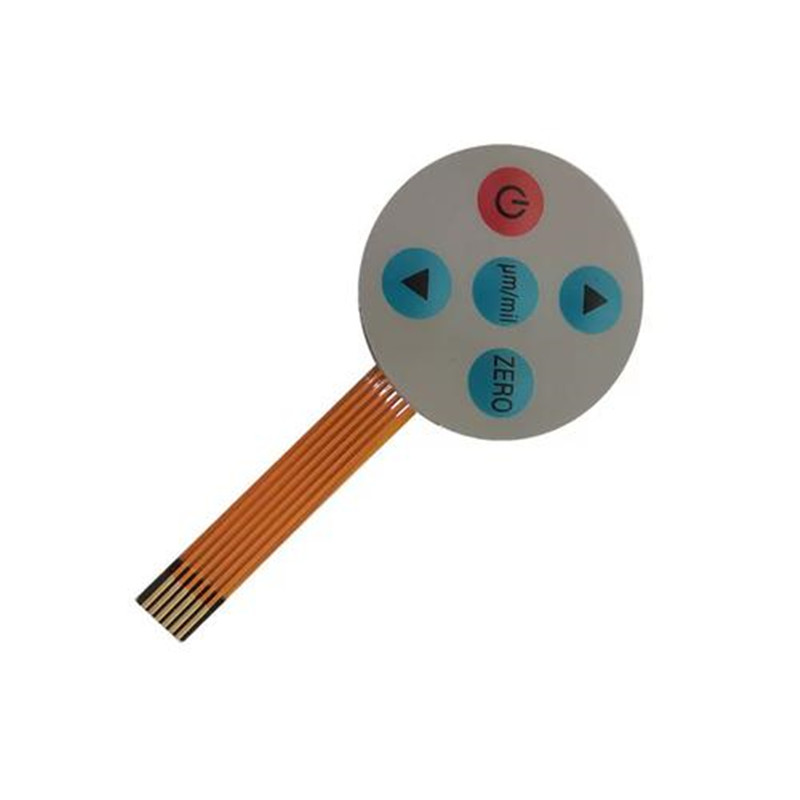
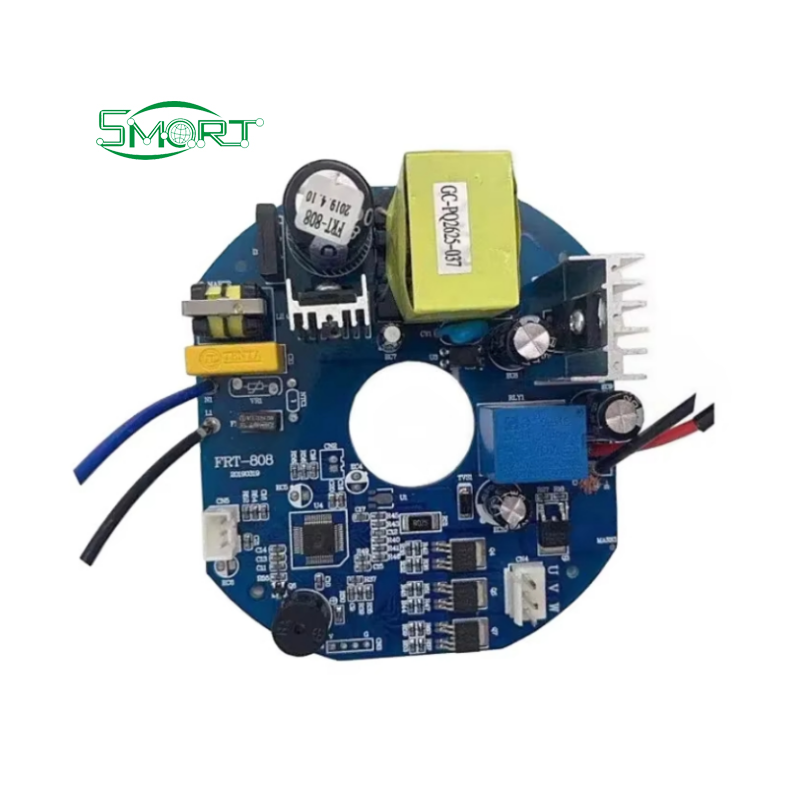
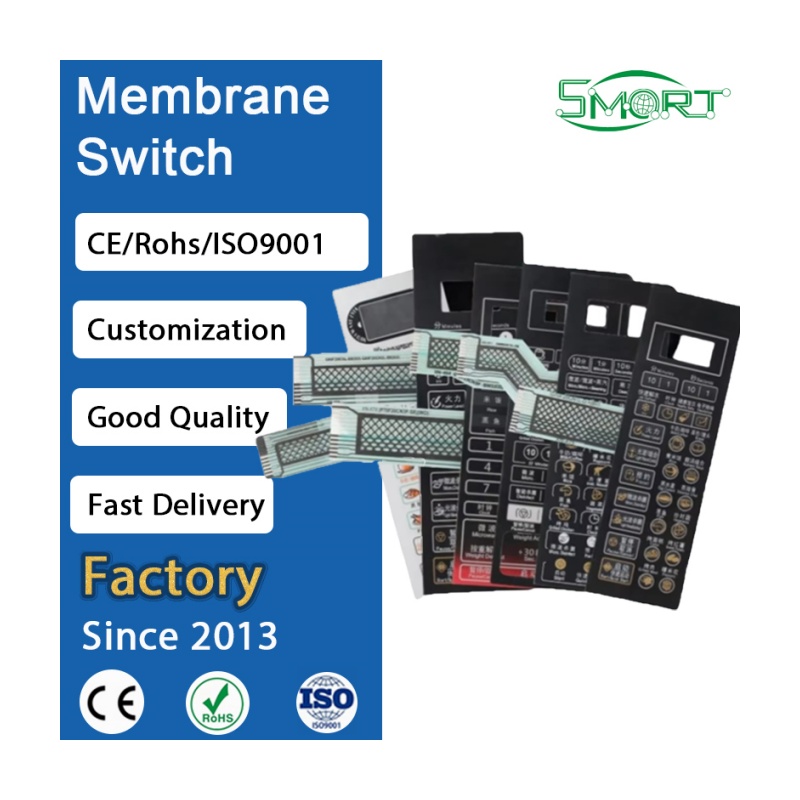
3. Direct Integration of Human-Machine Interfaces (HMI): Rather than procuring membrane switches, custom tactile panels, and rigid HDI controller motherboards from separate vendors, Danish OEMs increasingly prefer integrated single-source assemblies. By coordinating bare boards, flexible circuit tails (FPC), tactile keypads, and SMT board mounting under one roof, mechanical tolerance issues between enclosure and circuit are identified during engineering reviews before parts ship overseas.
Shenzhen VUKO Electronics: Dedicated Competence for Nordic Partnerships
Located at the center of the world's densest component ecosystem in Shenzhen, China, Shenzhen VUKO Electronics Co., Ltd. serves as an offshore manufacturing partner for European engineering teams. We bridge the gap between initial DFM optimization and reliable serial delivery:
14+
Years International Export
Onsite-verified by Alibaba.com, serving European OEMs through secure Trade Assurance transactions.
24h
Engineering DFM Review
Gerber and BOM validation within one business day, highlighting obsolete parts and impedance deviations.
5 pcs
Low Starting MOQ
Prototype testing and iterative validation without excessive upfront batch-volume commitments.
100%
Inspection Coverage
Automated Optical Inspection (AOI), Flying Probe electrical tests, X-ray for BGA solder voids, and functional checks.
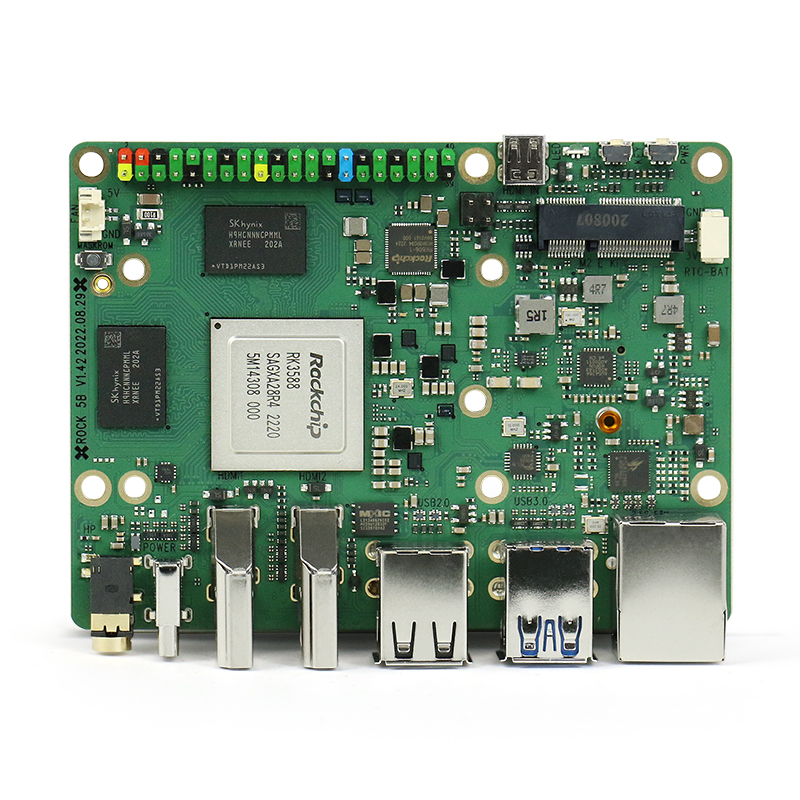
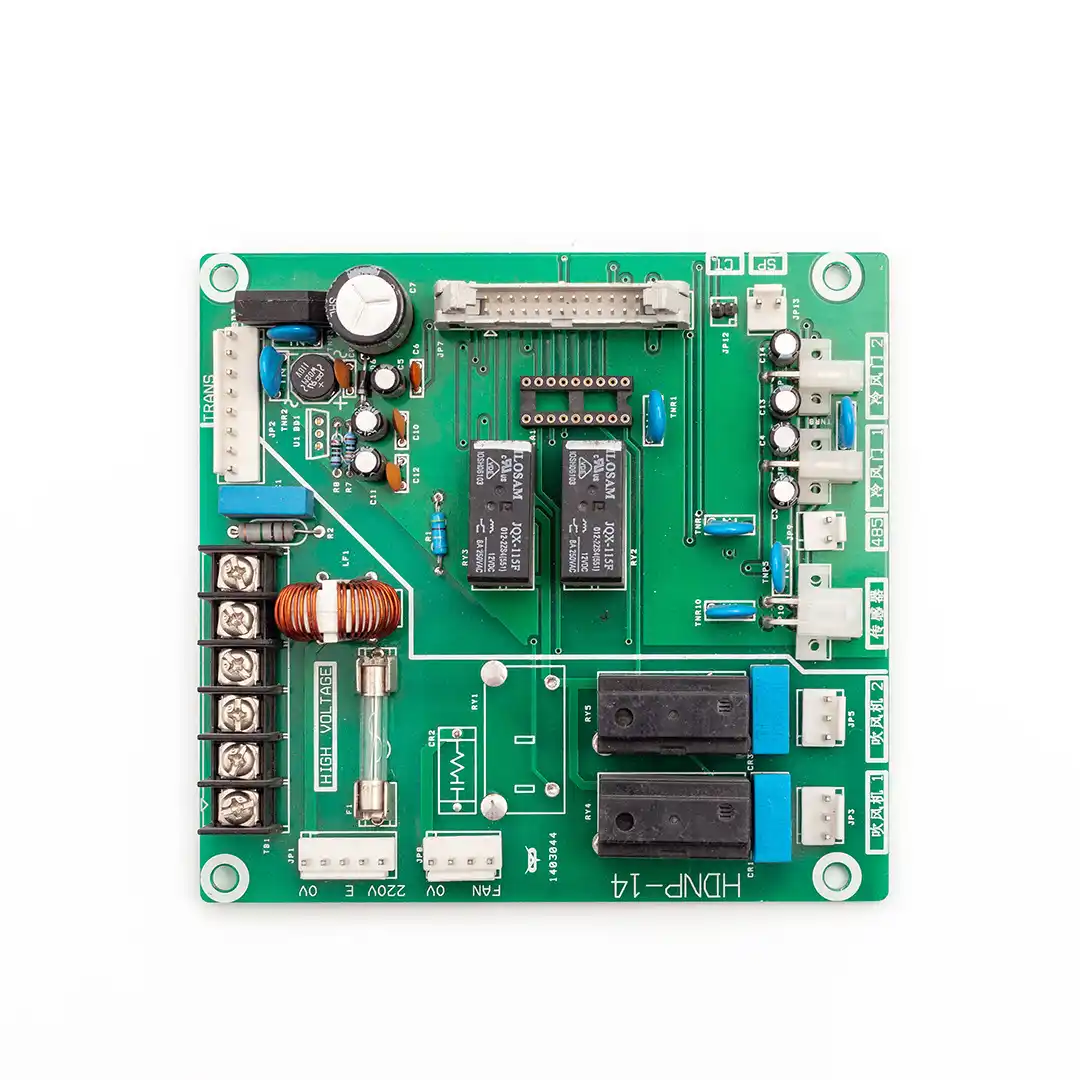
Our vertically integrated facility handles multi-layer bare PCB manufacturing, turnkey Bill of Materials (BOM) active and passive component procurement, high-precision Surface Mount Technology (SMT), Dual In-line Package (DIP) wave soldering, conformal coating, and enclosure assembly. This consolidated model keeps your Gerber files, schematics, and testing instructions unified across all builds.
Danish Buyer FAQ: High-TG HDI PCB Fabrication & Assembly
What specific documentation is required to verify High-Tg material authenticity? +
Every production lot sent to Danish clients is accompanied by a formal Certificate of Conformance (CoC), material raw-laminate data sheets (e.g., Shengyi S1000-2M or ITEQ IT-180A), cross-section micro-section analysis, and reflow thermal cycle reports confirming the glass transition temperature exceeds 170°C.
How are VAT, Danish customs, and cross-border logistics handled from Shenzhen to Denmark? +
We ship directly to Danish commercial hubs via air express (DHL, FedEx, UPS) or consolidated air freight, typically reaching Copenhagen (CPH) or Billund (BLL) within 3 to 5 business days. Shipments are issued with precise HS code classifications (typically 8534.00 for bare PCBs, 8537.10 / 8542.31 for assembled boards), allowing your freight forwarder or in-house logistics team to clear Danish Customs (Toldstyrelsen) with standard reverse-charge VAT procedures. DDP (Delivered Duty Paid) arrangements are also available on request.
What inspection steps do you use to detect internal microvia defects in dense HDI assemblies? +
All multi-layer HDI panels undergo automated optical inspection (AOI) on inner layers before lamination. Following drill metallization and via plating, boards receive 100% netlist electrical continuity testing via flying probe or fixture E-test. For fine-pitch BGAs, QFNs, and microvias beneath pads, high-resolution X-ray inspection is deployed to confirm zero solder bridging and verify that BGA voiding remains well under the IPC-A-610 Class 3 threshold of 15%.
Can VUKO support BOM component alternatives when European distributors report long lead times? +
Yes. Our procurement engineers in Shenzhen work directly with authorized regional distributors and original manufacturers. When a specialized IC, MCU, or passive component exhibits a 26+ week lead time, our team suggests drop-in pin-to-pin replacements, provides datasheets for your approval, and tests electrical characteristics on prototype batches before moving into series assembly.
How are proprietary intellectual properties and custom firmware protected? +
We routinely sign bilateral Non-Disclosure Agreements (NDAs) before reviewing client design packages. Custom firmware programming is carried out over isolated, encrypted workstations, and physical boards undergo testing inside controlled facilities without exposure to unverified third parties.
Request Full Technical Specifications & Design Guidelines
Download our complete manufacturing capabilities guide, laminate thermal data sheets, stack-up calculation templates, and HDI design rule checklists designed for Danish hardware teams.