Engineered HMI Interfaces & Interconnect Assemblies
Explore certified electronic sub-assemblies, human-machine interface panels, and turnkey circuits engineered to integrate seamlessly into critical instrumentation and electronic systems.
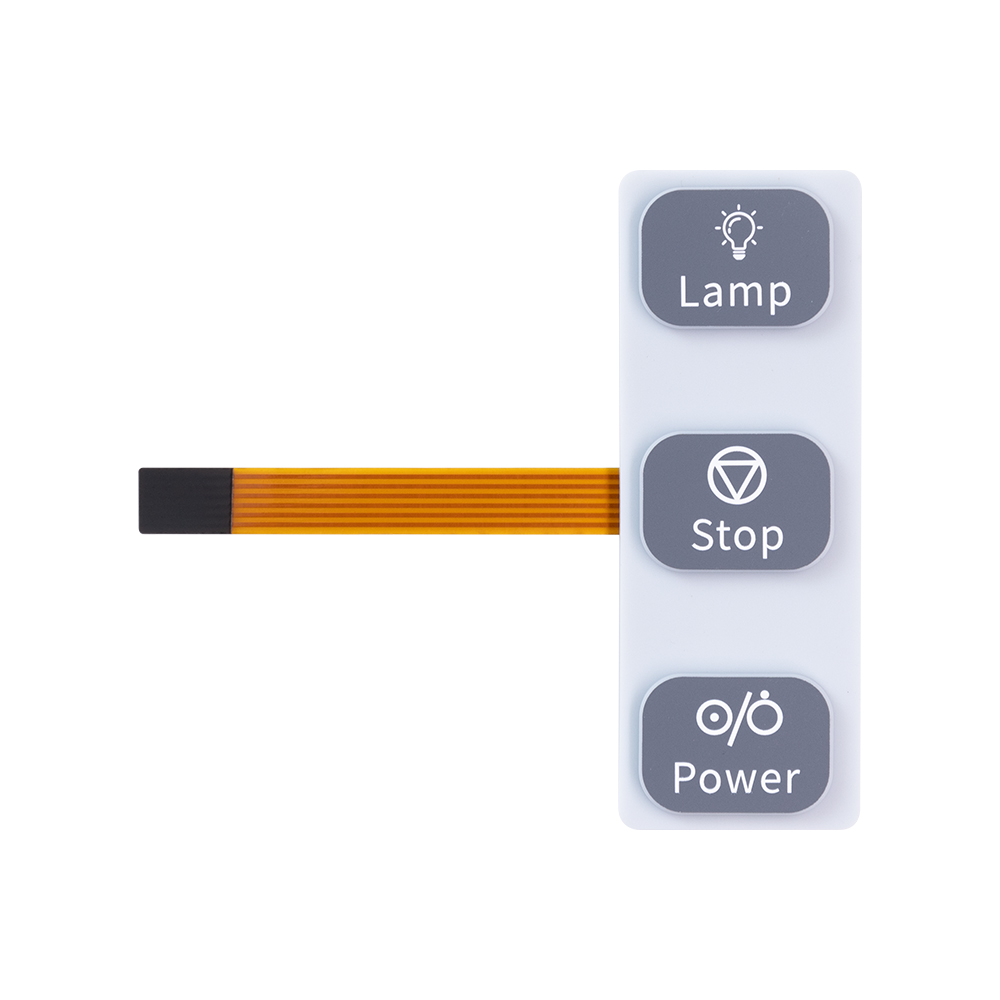
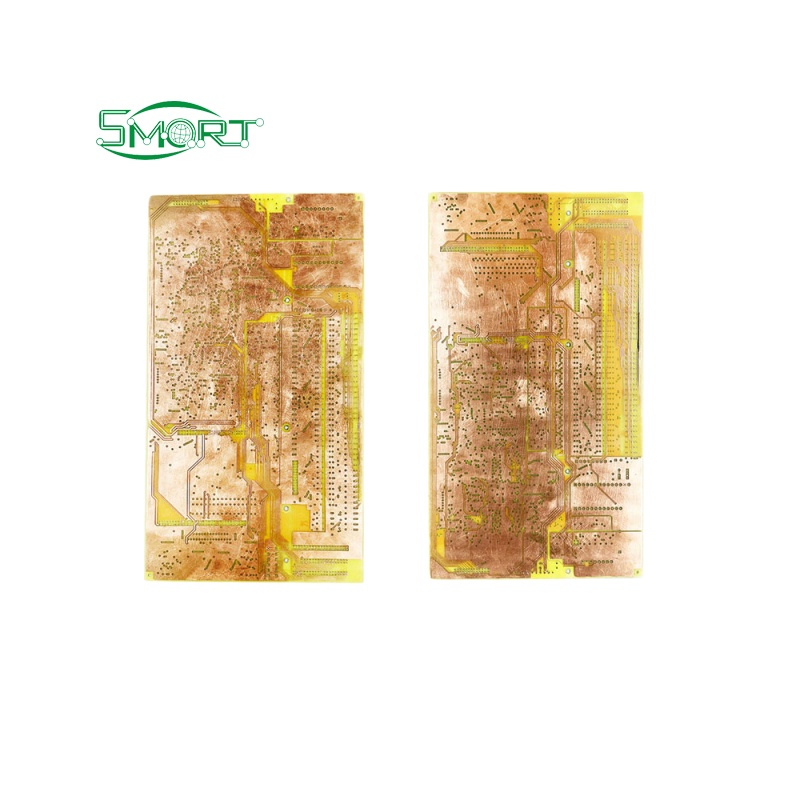
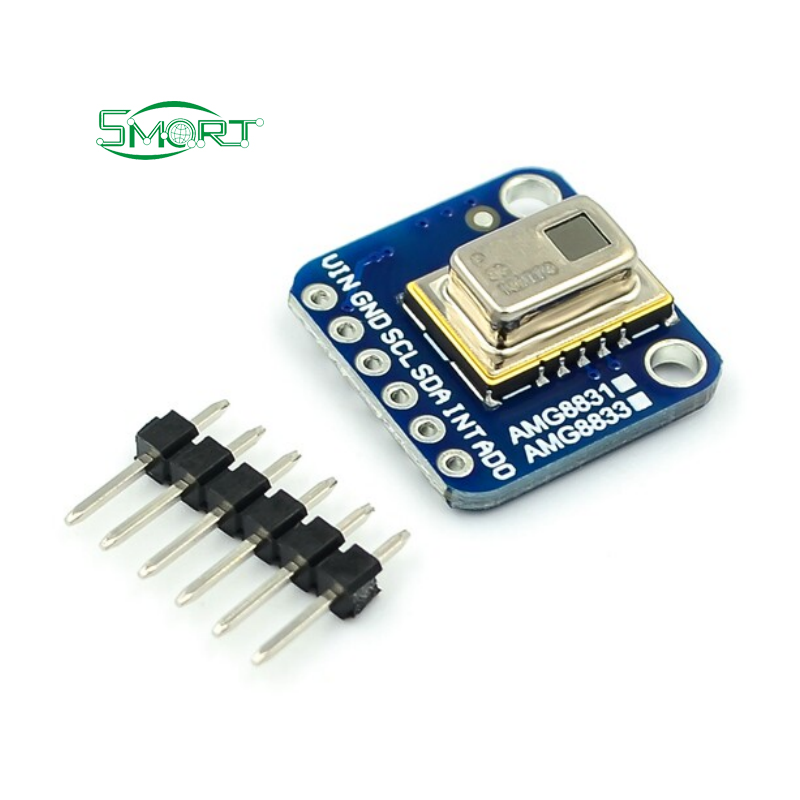
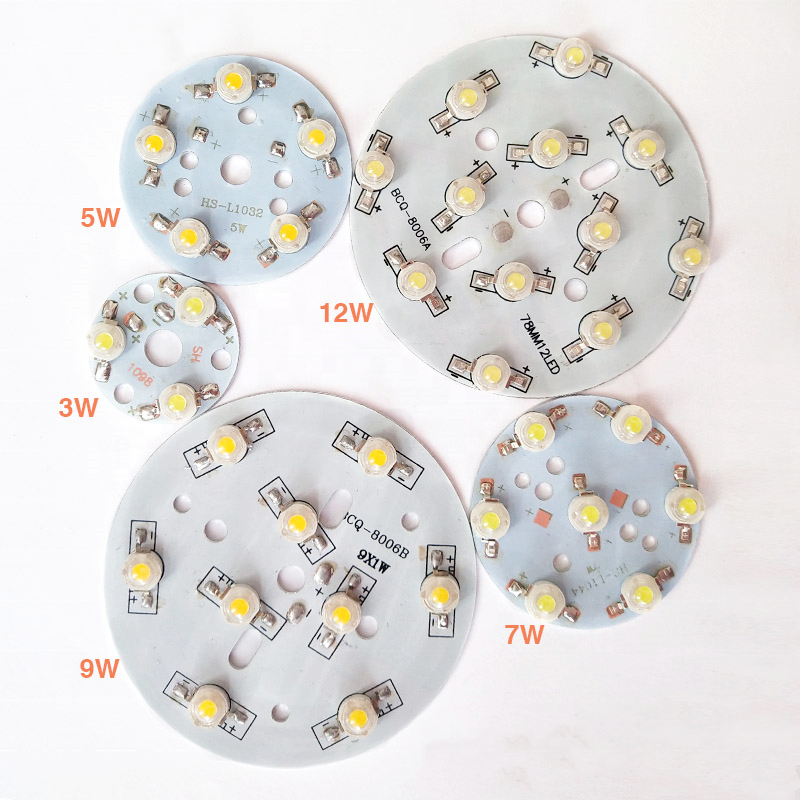
Front Panel Overlay Engineering: Substrate Matrix & Fabrication Standards
A comprehensive design guide analyzing the physical, chemical, and tactile specifications required for high-reliability industrial panels, medical controllers, and embedded interfaces.
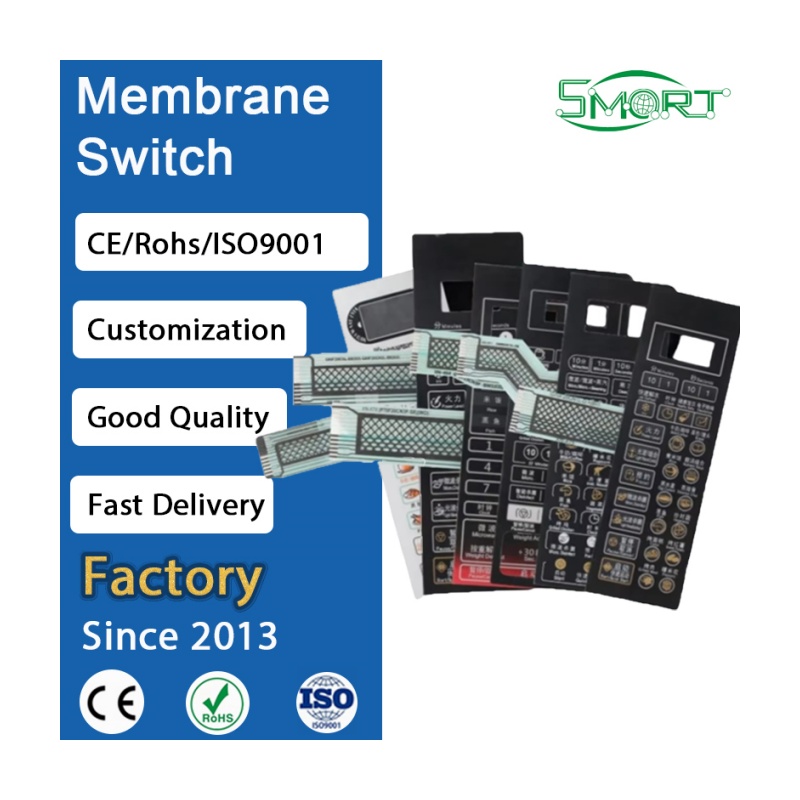
Front panel overlays, graphic dead-fronts, and integrated membrane keypads represent the critical primary interface between human operators and industrial computing systems. In demanding environments—ranging from maritime control bridges to chemical synthesis plants and heavy machinery consoles—overlay failures lead to machine downtime, compromised IP sealing, and electrical short-circuits. Specifying the optimal mechanical properties, substrate polymer, tactile snap-ratio, and backer-circuit interconnect is critical for engineering teams managing complex BOMs.
| Evaluation Parameter | Autotype Polyester (PET) | Lexan Polycarbonate (PC) | UV-Stabilized Acrylic (PMMA) |
|---|---|---|---|
| Mechanical Flexural Fatigue | Exceeds 5,000,000 actuations without micro-cracking; optimal for raised tactile switch keys. | Prone to stress fractures around 100,000 cycles; ideal for flat, non-tactile surfaces. | Brittle; not suited for flexural keys. Used exclusively for rigid visual display shields. |
| Chemical & Solvent Resistance | Immune to alcohols, cleaning solvents, dilute acids, and petroleum-based degreasers. | Attacked by ketones, aromatic hydrocarbons, and brake fluids; causes hazing. | Moderate resistance; sensitive to high-proof alcohols and industrial thinner solvents. |
| Operating Temperature Range | -40°C to +125°C continuous thermal cycling; low shrinkage coefficient (<0.2%). | -40°C to +105°C; elevated heat causes dimensional creeping and delamination. | -20°C to +80°C; low thermal tolerance limits industrial integration. |
| Optical Clarity & Anti-Glare Finish | Fine-matte, velvet, gloss, and textured selective coats; ideal for dead-front LED windows. | Exceptional optical transmission (>91%); broad variety of transparent textures. | Pristine optical brilliance (>93%); best suited for heavy scratch-resistant touchscreens. |
| Environmental Ingress Sealing | Easily bonds with 3M 467MP / 468MP acrylic adhesives to hit IP65, IP66, and IP67. | Bonds well with pressure-sensitive adhesives; vulnerable to UV exposure over 3 years. | Requires thick structural perimeter foam tape for environmental gasket sealing. |
Subsurface Digital & Screen Printing
Graphics are screen printed or digitally rendered on the second surface (reverse side) of clear substrates. This locks color reproduction behind tough polymer layers, permanently shielding ink layers from operator abrasion, chemical sanitizers, and UV degradation.
Tactile Feedback & Dome Integration
By pairing stainless steel metal domes (four-leg or circular, gold- or nickel-plated) with precision-machined embossing dies (rim, pillow, or dome profiles), actuation feedback delivers a distinct click with tactile ratios engineered from 40% to 65%.
EMI/RFI & ESD Shielding Grids
Harsh electromagnetic fields are mitigated by laminating aluminum foil, conductive silver-printed mesh, or ITO (Indium Tin Oxide) shielding layers within the overlay stack, grounding stray electrostatic discharges up to 15kV away from internal MCUs.
Top 10 Front Panel Overlay Factory & Exporter Directory in Arno
An empirical comparison of the prominent industrial graphic overlay, membrane keypad, and turnkey HMI fabricators serving the Arno commercial corridor and European OEM export lines.
Shenzhen VUKO Electronics Co., Ltd. (Arno Global Export Hub)
Core Capabilities: Full turnkey PCB fabrication, multi-layer rigid-flex circuits, precision membrane switches, sub-surface overlay printing, electronic component kitting, and automated SMT assembly under one roof.
Competitive Advantage: Eliminates cross-supplier misalignment by manufacturing the graphic overlay, the internal tactile dome layer, the FPC tail, and the backer PCBA concurrently. With an ultra-low prototype MOQ of 5 pcs, UL 94V-0 certification, comprehensive AOI/flying probe E-testing, and 24-hour DFM engineering validation, VUKO leads overseas supply chains directly into Arno's industrial ecosystem.
Arno Precision Overlays & Panels Ltd.
Core Capabilities: Heavy-gauge front plate machining, anodized aluminum bezels, and Autotype polyester graphic screen-printing for regional heavy equipment manufacturers.
Pros & Cons: Strong local metal-working and CNC routing presence in the Arno basin; however, circuit fabrication and SMT electronic mounting must be outsourced to secondary vendors, extending lead times.
Tuscany HMI Interfaces S.r.l.
Core Capabilities: Cleanroom ISO Class 7 production of antibacterial front overlays and capacitive membrane keypads suited for hospital instruments.
Pros & Cons: Exceptional sanitary compliance; high NRE tooling fees and higher order minimums make low-to-medium batch runs cost-prohibitive.
Arno Graphic Screen Technologies
Core Capabilities: Roll-to-roll continuous graphic overlay printing, dead-front window production, and fast polycarbonate die-cutting.
Pros & Cons: Competitive unit pricing on 50,000+ unit runs, but lacks dedicated electronics assembly and embedded tactile switch engineering.
Medio-Arno Digital Print & Flex
Core Capabilities: Fast laser-cut digital UV prototypes for rapid trade show demonstration panels and short-run industrial enclosures.
Pros & Cons: Extremely agile local delivery; limited mechanical flex endurance compared to hardened silk-screen industrial inks.
NavalTech Control Surfaces Arno
Core Capabilities: Thick, salt-spray-resistant Lexan panels, silicone elastomer keypads, and UV-stabilized maritime instrument displays.
Pros & Cons: Excellent IP68 ruggedization; product line focuses strictly on commercial yachting and shipping consoles rather than compact electronics.
Arno Valley Auto Panel Electro
Core Capabilities: In-mold labeling (IML) and in-mold decorating (IMD) for automotive interior dashboard modules and capacitive touch consoles.
Pros & Cons: Automotive-grade compliance (IATF 16949 pathways); substantial hard-tooling amortization cycles require long setup windows.
Etruria Membrane Engineering
Core Capabilities: Silver polymer thick film (PTF) screen-printed circuits and polyester membrane switches with custom backer plates.
Pros & Cons: Dependable switch fabrication; long lead times when sourcing matching aluminum heatsink backer plates or external controller PCBA modules.
Arno Metacrilato & Display Lab
Core Capabilities: Diamond-edge polished PMMA window panels, optical bonding adhesives, and vandalism-proof ATM interface display facings.
Pros & Cons: Outstanding optical clarity; missing integration for flex circuits, surface-mount LEDs, and tactile button feedback systems.
Centro Incisioni Industriali Arno
Core Capabilities: Mechanical rotary engraving, aluminum chemical etching, and laser-marked stainless steel control facings.
Pros & Cons: Indestructible physical surfaces; lacks modern membrane switch capabilities, backlighting cavities, and flexible interconnect routing.
Localized Application Scenarios Across the Arno Industrial Corridor
How advanced front panel overlays and membrane switches address unique environmental and functional challenges across Arno's diverse manufacturing sectors.
Textile Machinery & Automated Looms
The manufacturing plants along the Arno valley run advanced high-speed weaving, spinning, and dying machines. These environments generate airborne fibers, static charges, and aggressive wash-down chemicals. Integrated PET overlays with sealed perimeter gaskets prevent fibrous particulate ingress, while anti-static ITO shielding guards sensitive embedded logic against erratic resets.
Pharmaceutical & Diagnostic Cleanrooms
Arno's biomedical engineering facilities require control surfaces that withstand daily sterilization using isopropyl alcohol, sodium hypochlorite, and quaternary ammonium compounds. Continuous Autotex polyester facings eliminate panel crevices, stopping bacterial harbor while ensuring dead-front LED status indicators stay readable in bright clinical lighting.
Food Processing & Commercial Culinary Equipment
Wine bottling lines, olive oil extraction mills, and commercial kitchen consoles face high temperatures, thermal cycling, and high-pressure steam wash-downs. By laminating IP66/IP67 closed-cell foam adhesives directly to stainless steel chassis, our front overlays hold a watertight seal without bubbling, yellowing, or edge delamination.
Emerging Trends: Smart Surfaces & Hybrid HMI Integration
Technological innovations reshaping front panel overlay manufacturing, moving from passive graphic sheets to active, intelligent control systems.
Capacitive Touch Behind Overlays
Replacing mechanical domes with capacitive sensing grids printed directly on the overlay sub-layer. This delivers modern smartphone-style touch interaction while keeping the rugged chemical resistance of industrial polyester.
Integrated Micro-LED Lighting
Mounting ultra-thin 0402 and 0603 SMD LEDs within the spacer matrix layer allows selective backlighting for functional keys and dead-front alarm icons that only show when activated.
Direct FPC & Rigid-Flex Bonding
Transitioning from screen-printed silver-ink tails to high-density flexible printed circuits (FPC) with gold-plated ZIF connectors. This reduces contact resistance, eliminates silver migration risks, and allows fine-pitch electronic mounting.
Eco-Friendly & Halogen-Free Materials
European Union RoHS, REACH, and WEEE directives are pushing suppliers toward halogen-free flame retardant laminates, bio-based printable polymers, and water-based conductive adhesives for easier recycling and cleaner disposal.
The VUKO One-Stop Manufacturing Advantage
Combining advanced graphic print lines with bare-board PCB fabrication and high-speed SMT assembly in Shenzhen to give Arno OEMs a streamlined, risk-free electronics supply chain.
Integrated Electronics Manufacturing
Unlike standard graphic printers that only provide thin plastic sheets, VUKO manufactures the complete interface ecosystem: the printed polyester overlay, metal-dome spacer matrix, internal FPC or multi-layer FR4 backer circuit, and turnkey SMT-mounted components. This end-to-end focus removes assembly misalignments between independent parts suppliers.
Fast DFM & Agile Prototyping
Our engineers perform detailed Design-for-Manufacturability (DFM) reviews within 24 hours of receiving your files, validating key embossing heights, trace clearances, and adhesive cutouts. With a low prototyping MOQ of 5 pieces, engineering teams can iterate and prove designs before committing to high-volume production tooling.
Traceable Quality & Alibaba Protection
Every manufactured batch undergoes 100% automated optical inspection (AOI), electrical continuity flying probe testing, switch actuation force profiling, and environmental lamination checks. Supported by 14+ years as an Onsite-Verified supplier with Alibaba Trade Assurance, our payment and delivery terms keep international procurement dependable.
Frequently Asked Questions by Sourcing Teams
Clear, technical answers to common questions about engineering files, substrate choices, environmental sealing, and lead times.
What production files are required to quote and manufacture a custom front panel overlay?
How do we determine whether Polycarbonate or Polyester is best suited for our overlay?
How do you achieve IP65, IP66, or IP67 waterproof sealing on membrane keypads?
What is your Minimum Order Quantity (MOQ) and production turnaround for prototypes?
Can VUKO mount surface-mount LEDs and active electronics directly into the overlay?
Accelerate Your Next HMI Hardware Project
Upload your CAD drawings, graphic overlays, or PCB Gerber packages for a rapid 24-hour engineering assessment, DFM check, and competitive pricing analysis.
Get a Quote