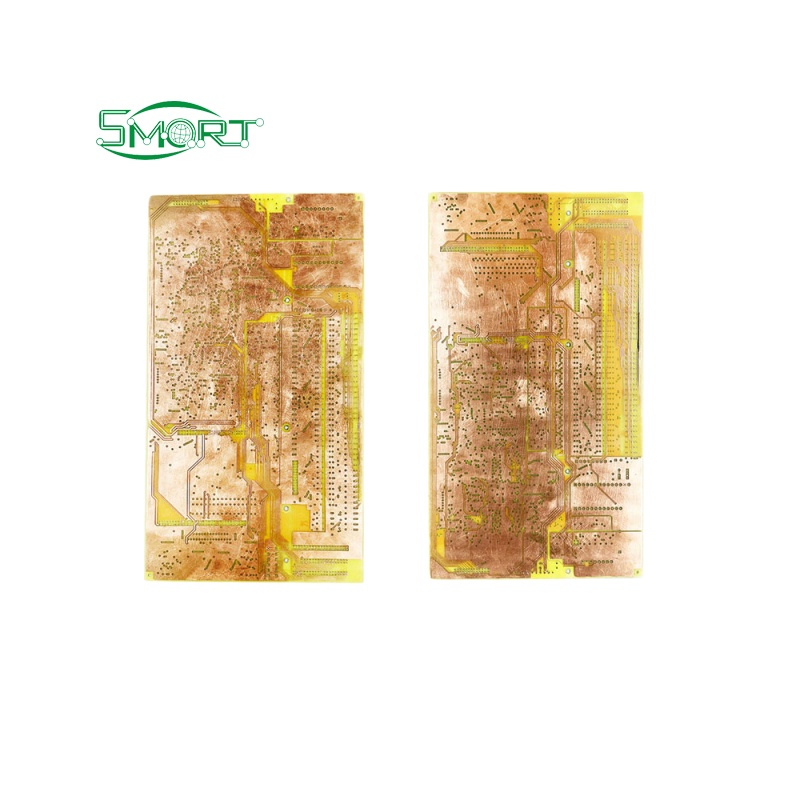
Turnkey Hardware Capabilities
Core Engineering Stack & Featured Assemblies
Direct from our state-of-the-art Shenzhen manufacturing facility: bare fabrication, precision metal dome tactile integration, SMD flex circuits, and complete box-build solutions engineered to meet rigorous Tri-State and global OEM standards.
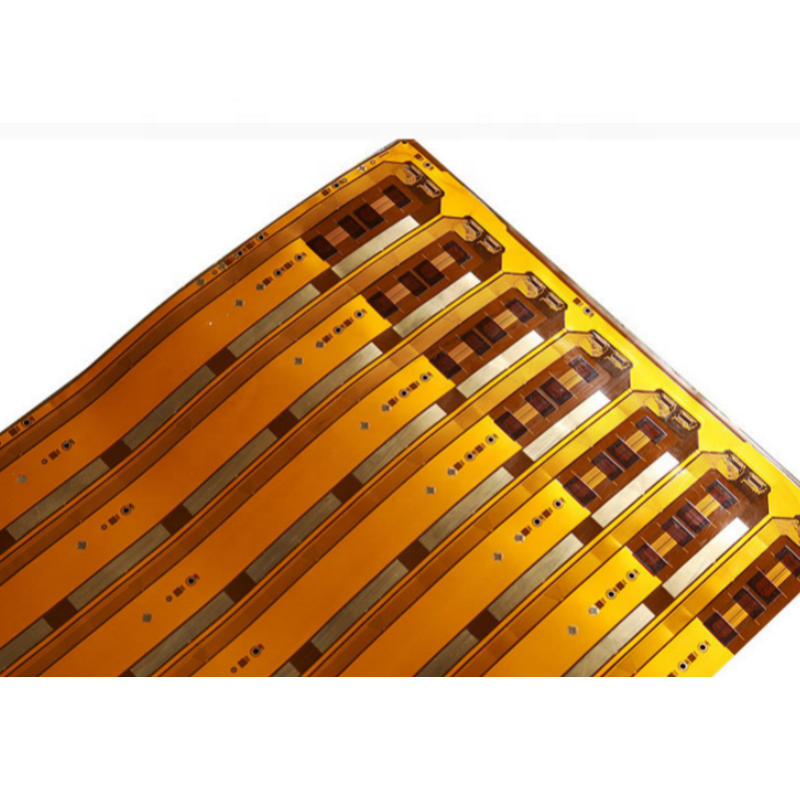
Low MOQ Fast Turn Flexible Printed Circuit (FPC) Prototype
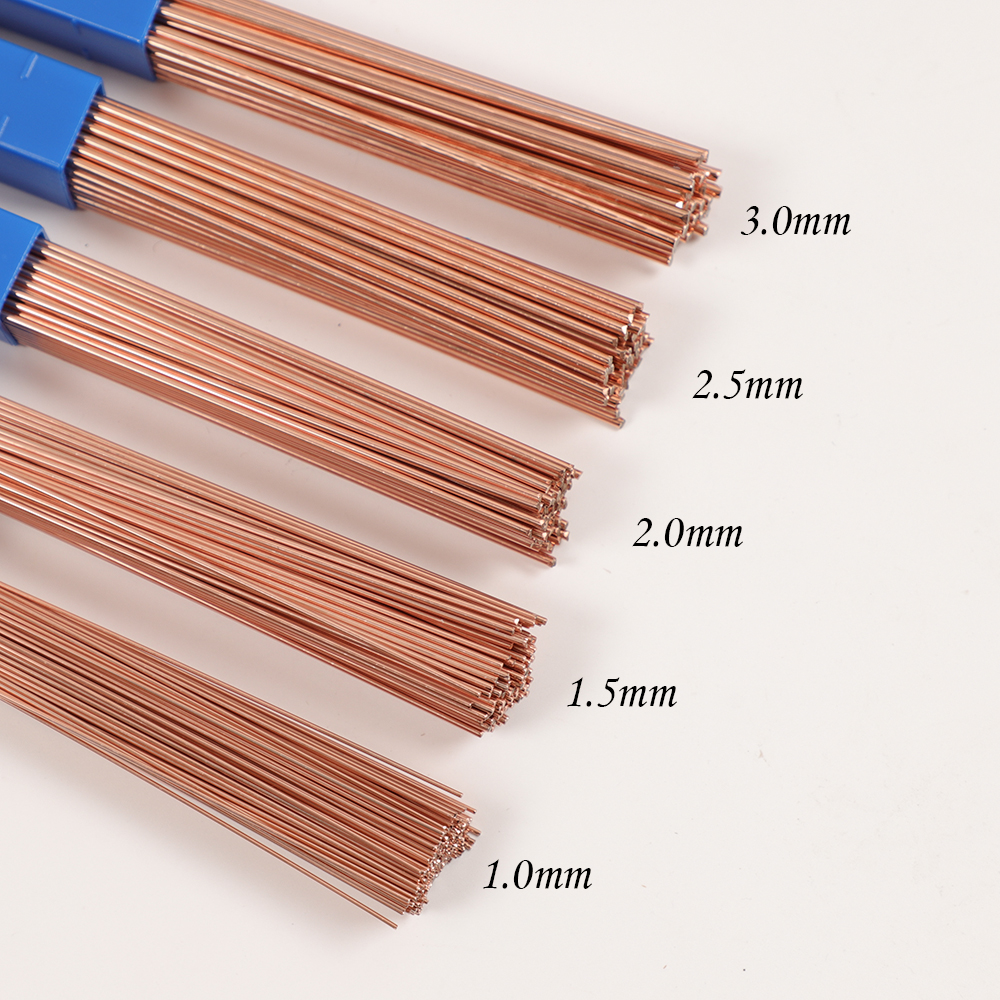
Phosphorus Copper Soldering Electrodes & Welding Rods
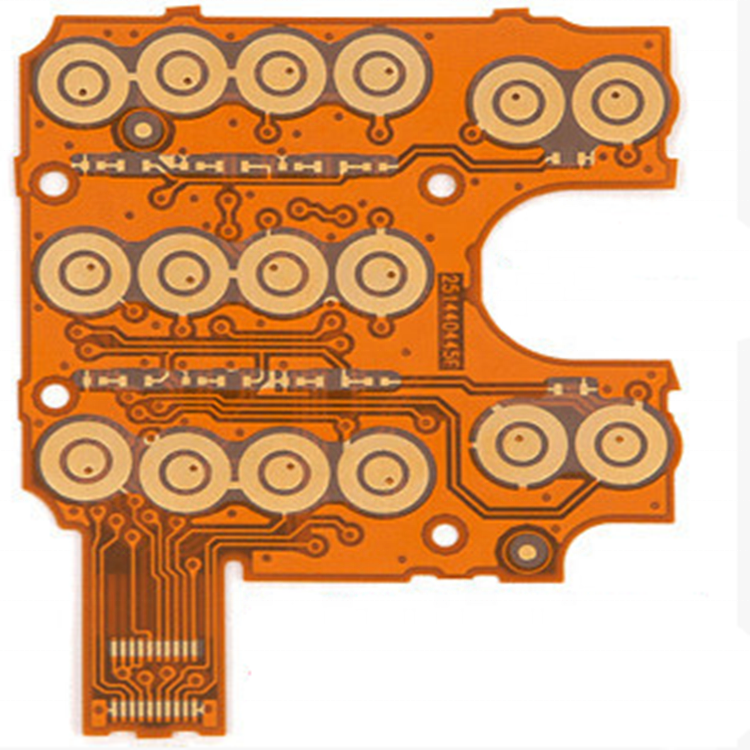
Custom Flexible PCB (FPC) Circuit Tails for Membrane Keypads
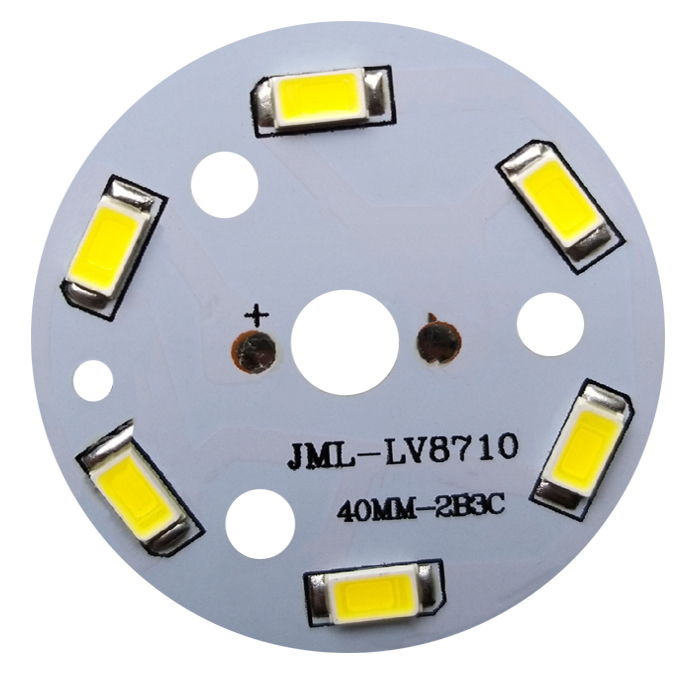
5730 SMD LED High-Luminance Indicator & Backlight PCB Board
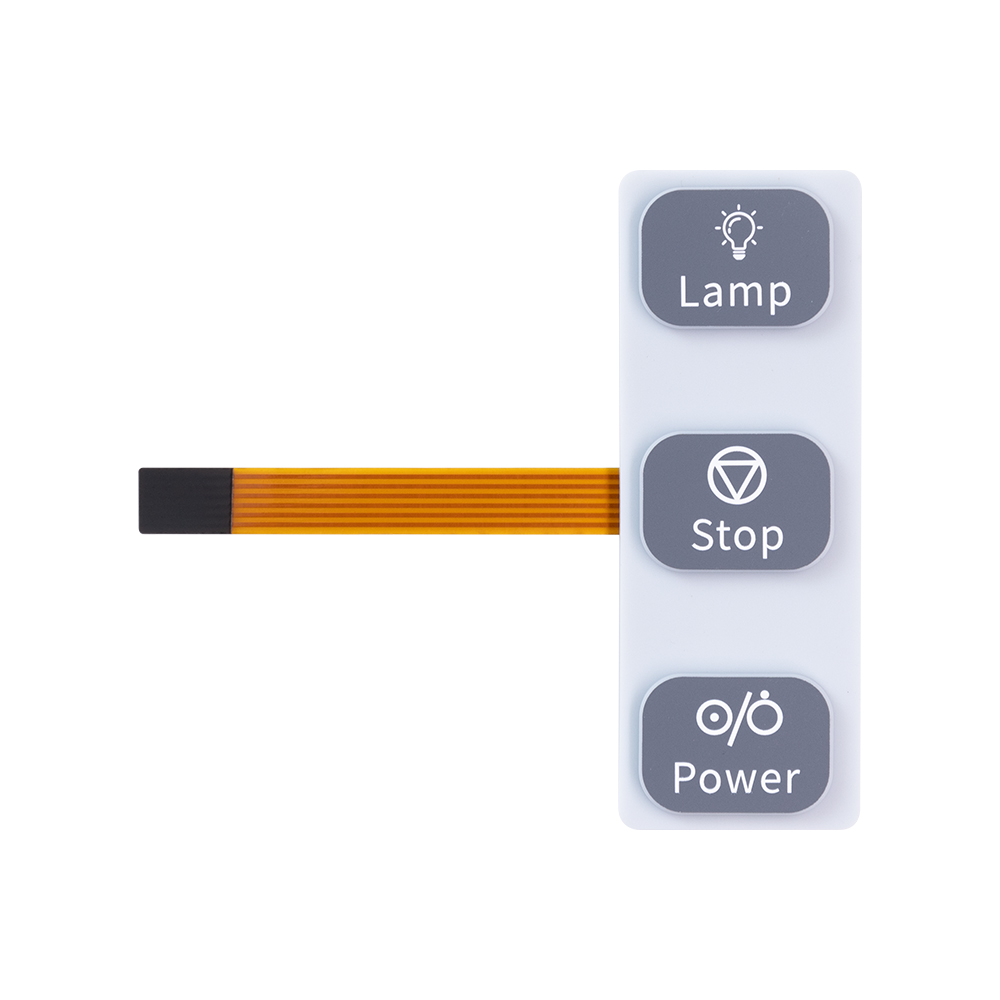
Custom Metal Dome Membrane Switch Tactile Keypad Low Resistance
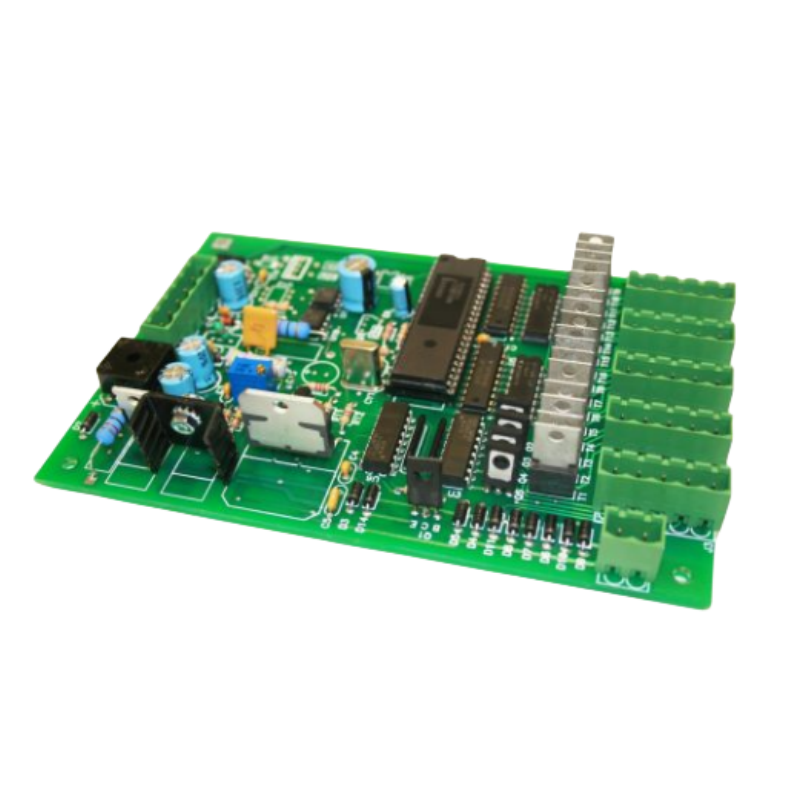
Turnkey OEM PCBA Assembly SMT/DIP & Functional Board Testing
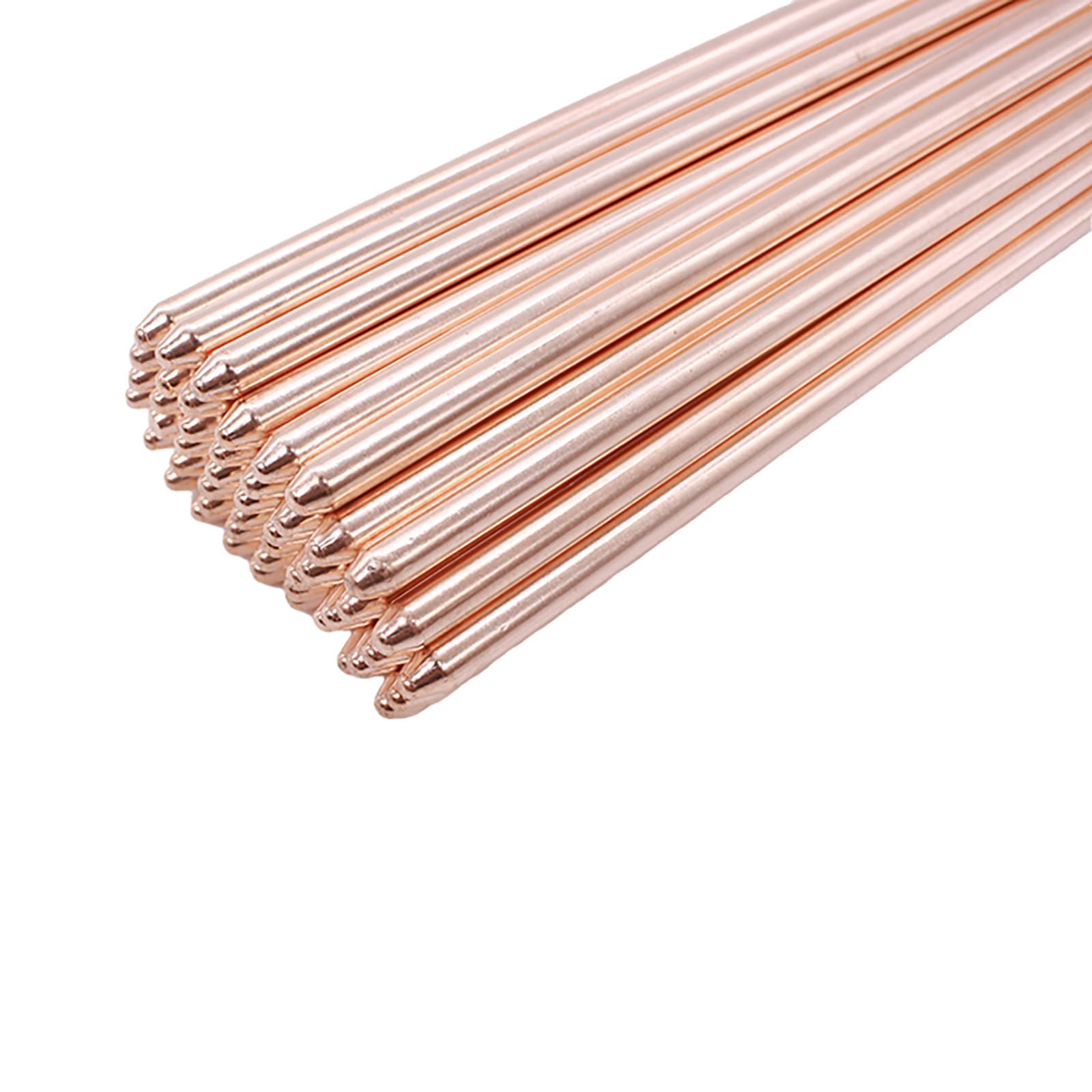
High-Conductivity Copper Heat Pipes & Enclosure Cooling Tubes
5,000,000+
Actuation Lifecycle (Cycles)
14+
Years Alibaba Verified
< 0.5 Ω
FPC Contact Resistance
24 Hours
Rapid DFM Engineering Turn
Engineering Metal Dome Membrane Switches: Tactical Precision for the New York Market
Human-Machine Interface (HMI) design has entered an era where sensory ergonomics, environmental resilience, and miniaturized electrical architectures converge. In demanding metropolitan and industrial centers like New York—ranging from high-throughput Manhattan medical centers to rugged Upstate New York automated plants—the standard rubber keypad or passive capacitive sensor often falls short of meeting physical verification criteria. Metal dome membrane switches represent the pinnacle of tactile feedback technology, offering crisp mechanical snap ratios, verifiable contact closure, and sub-millimeter profiles.
A metal dome switch assembly relies on precision-stamped stainless steel domes (SUS301 or SUS304, typically nickel-plated or gold-plated) strategically suspended between an engineered graphic overlay and a conductive circuit layer. Upon deflection, the dome collapses with an audible click and distinct tactile snap, bridging the circuit gap on a silver-printed polyester substrate or a polyimide Flexible Printed Circuit (FPC). For New York hardware developers, understanding the distinction between domestic assemblers and vertically integrated global manufacturers is key to mitigating prototype delays, scaling unit economics, and guaranteeing IP65 to IP68 hermetic ingress barriers.
Technical Specifications & Design Thresholds
When engineering HMI panels for harsh New York operating environments, hardware engineers must define physical, mechanical, and electrical parameters early in the CAD/DFM phase. The table below delineates typical qualification metrics achieved by leading suppliers:
| Performance Parameter | Silver-Printed PET Substrate | Polyimide FPC / Copper Flex | Rigid FR4 Backer Integration |
|---|---|---|---|
| Tactile Actuation Force | 160g – 450g (±30g tolerance) | 180g – 500g (±20g tolerance) | 200g – 600g (Heavy Industrial) |
| Loop Trace Resistance | 10 Ω – 100 Ω (Length dependent) | < 0.5 Ω – 2 Ω (Ultra-low noise) | < 0.1 Ω (Ground plane capable) |
| Operating Temperature | -20°C to +65°C | -40°C to +105°C | -40°C to +125°C |
| Actuation Lifecycle | 1,000,000 to 3,000,000 cycles | 3,000,000 to 5,000,000+ cycles | 5,000,000+ cycles |
| Contact Bounce Time | < 5 ms | < 1 ms | < 1 ms |
| Dielectric Withstand | 500 V DC | 1,500 V AC / DC | 2,500 V AC / DC |
Top 10 Metal Dome Membrane Switch Suppliers Serving the New York Market
Whether fulfilling quick-turn NPI prototypes for Brooklyn-based incubators or executing high-volume blanket orders for Rochester transportation equipment, selecting the right partner requires balancing geographical proximity, engineering agility, tooling costs, and quality control systems. Below is an exhaustive industry evaluation of the top 10 suppliers servicing New York OEMs.
1. Shenzhen VUKO Electronics Co., Ltd.
Turnkey Direct ManufacturerShenzhen VUKO Electronics operates as an elite one-stop manufacturer supplying New York OEMs with custom metal dome membrane keypads, FPC flex circuits, rigid-flex substrates, and turnkey PCBA. Backed by 14+ years of verified export history on Alibaba.com with complete Trade Assurance protection, VUKO bridges high-end engineering with unmatched direct-from-source manufacturing pricing.
By producing bare PCB/FPC, tooling graphic overlays, precision-placing tactile domes, and mounting surface-mount LEDs under one roof, VUKO eliminates multi-tier margin stacking and cuts lead times from weeks to days.
- MOQ Flexibility: From 5 pieces for prototypes to 500k+ mass runs
- DFM Speed: Comprehensive engineering feedback within 24h
- Certifications: ISO 9001:2015, UL 94V-0 laminates, RoHS, CE
2. Epec Engineered Technologies
East Coast SpecialistWith an established presence along the Eastern Seaboard and extensive operational ties throughout the New York Tri-State region, Epec Engineered Technologies is known for high-tier medical and military-grade human-machine interfaces. They excel in tight-tolerance tactile dome integration on copper flex circuitry and custom silicone rubber overmolds.
- Core Focus: Defense, Mil-Aero, and Critical Medical HMIs
- Strengths: Domestic engineering support and ITAR compliance
- Procurement Notice: Premium NRE tooling rates for custom setups
3. Nelson-Miller Inc.
Global HMI ProviderNelson-Miller is a recognized domestic nameplate and keypad manufacturer providing tactile membrane switches, capacitive touch modules, and backlighting solutions to New York industrial equipment builders. Their capabilities cover complex multi-layer assemblies with embedded display windows, EMI shielding, and dead-front graphic printing.
- Core Focus: Custom industrial equipment and food processing
- Strengths: Broad aesthetic overlay texturing and embossing
- Procurement Notice: Extended lead times for lower-volume builds
4. Douglas Corporation
Decorative & Functional UIServing New York’s automotive, commercial appliance, and consumer interface sectors, Douglas Corporation integrates custom tactile metal domes beneath branded chrome overlays and ruggedized graphic films. Their focus centers heavily on visual branding combined with clean mechanical tactile response.
- Core Focus: Heavy machinery panels and commercial hardware
- Strengths: High-durability exterior badging and membrane integration
- Procurement Notice: Minimum order size thresholds favored for high-volume
5. Dyna-Graphics Corporation
Tactile Interface FabricatorDyna-Graphics has engineered membrane switches for over four decades, regularly delivering tactile dome assemblies, rubber keypads, and touch screens to New York instrumentation manufacturers. Their proprietary sealing techniques help protect against moisture, solvents, and oil ingress.
- Core Focus: Harsh-environment industrial and test equipment
- Strengths: NEMA 4X / IP65 water-resistant sealing options
- Procurement Notice: Domestic assembly turnaround, higher cost per unit
6. GGI Solutions
Aerospace & Rail UIPositioned conveniently to supply the upstate New York and Canadian manufacturing corridor, GGI Solutions specializes in sophisticated user interfaces for transit, avionics, and medical devices. They offer printed electronics, specialized shielding, and gold-plated dome arrays designed for extreme longevity.
- Core Focus: Aerospace flight decks and high-spec medical tech
- Strengths: ISO 13485 and AS9100 certified quality protocols
- Procurement Notice: Stringent NRE qualification and validation overhead
7. Design Mark Industries
Regional Interface PartnerLocated in the Northeast corridor, Design Mark serves New York hardware clients with custom membrane keypads, functional overlays, and gasket solutions. Their proximity allows rapid face-to-face DFM consultations for early-stage prototypes, with short ground shipping times into the Greater NYC metro area.
- Core Focus: Telecommunications, diagnostics, and monitoring
- Strengths: Fast East Coast regional sample delivery
- Procurement Notice: Sourcing offshore for high-volume price matching
8. Lustre-Cal Corporation
Precision Overlays & SwitchesKnown for custom graphic labeling, nameplates, and thin-profile tactile switches, Lustre-Cal supplies New York medical and laboratory equipment manufacturers with chemically resistant fluoropolymer and polycarbonate graphic overlays paired with durable stainless-steel domes.
- Core Focus: Hospital-grade diagnostic and scientific equipment
- Strengths: Resistant to aggressive sterilization chemicals
- Procurement Notice: Narrower turnkey electronic assembly services
9. Butler Technologies
Printed Electronics SpecialistButler Technologies supplies innovative printed electronics, including flexible heaters, capacitive touch circuits, and metal dome membrane switches to tech firms across upstate and downstate New York. They specialize in integrating backlighting (LGF and optical fibers) into thin user interfaces.
- Core Focus: Wearables, IoT hardware, and custom backlighting
- Strengths: Advanced light-guide film integration
- Procurement Notice: Premium pricing structure on high-complexity builds
10. Xymox Technologies
Volume Membrane Keypad MakerXymox provides high-volume, automated screen printing and dome placement for consumer appliances, industrial machinery, and HVAC controls. They serve larger New York enterprise accounts requiring dedicated reel-to-reel processing and extensive electrical lifecycle auditing.
- Core Focus: Appliance controllers, smart thermostats, and utilities
- Strengths: High-volume automated screening lines
- Procurement Notice: Less adapted to low-volume 5–50 pc R&D trials
Localized Application Scenarios Across New York Industries
The state of New York represents one of the most technologically diverse ecosystems in North America. The operational requirements for a tactile keypad deployed on a diagnostic tool in Manhattan differ dramatically from an outdoor automated tolling interface in Westchester or a defense tracking subsystem in Long Island. Below are four key deployment scenarios:
NYC & Long Island MedTech
New York’s hospital networks (Mount Sinai, NYU Langone, Northwell Health) require portable diagnostic devices with sterile wipe-down interfaces. Metal dome switches protected beneath Autotex antimicrobial polyester withstand bleach, isopropyl alcohol, and quaternary ammonia cleaners while preventing accidental actuations via crisp 350g tactile snap feedback.
Long Island Defense & Avionics
Building on the historical Bethpage/Farmingdale aerospace corridor, regional defense contractors demand MIL-STD-810 compliant keypads. By pairing gold-plated four-leg metal domes with polyimide FPC circuits, these panels achieve reliable tactile actuation under continuous high-g vibration, low atmospheric pressures, and extreme thermal cycling.
Upstate NY Food & Automation
From Rochester to Buffalo, industrial manufacturing and food packing plants require NEMA 4X / IP66 washdown resilience. Metal dome membrane switches bonded with 3M 300LSE adhesive prevent high-pressure water jets and caustic chemicals from invading internal switch cavity vents, ensuring uninterrupted operations.
Smart Transit & Financial Kiosks
Deployed in MTA subway ticketing kiosks, public access control points, and Wall Street outdoor terminals, anti-vandal tactile switches must handle millions of rough, continuous strikes. Stainless steel metal dome arrays backed by rigid FR4 prevent substrate deformation and eliminate trace cracking over years of heavy urban duty.
High-Density HVAC & Building Automation
Commercial skyscrapers across Midtown Manhattan utilize intelligent environmental control modules. Membrane switches with integrated surface-mount micro-LEDs and Light Guide Film (LGF) deliver uniform key backlighting with sub-millimeter stack heights, integrating seamlessly into slim architectural wall plates.
Key Technology Trends Shaping New York HMI Hardware
Hardware procurement in the Tri-State area is evolving rapidly away from bulky, legacy mechanical pushbuttons toward highly integrated, low-profile electromechanical assemblies. Engineering teams should track these five critical industry trajectories:
1. Migration to FPC Substrates
While screen-printed conductive silver ink on polyester remains cost-effective for basic matrix keypads, high-reliability New York projects increasingly specify flexible copper circuits (FPC). Copper tracks eliminate the risk of silver migration under high humidity, support ultra-fine pitch ZIF connector interfaces (down to 0.5mm), and permit the direct surface-mount soldering of active ICs, sensors, and reverse-mount micro-LEDs directly onto the keypad tail.
2. Hermetic Environmental Sealing
Condensation, freezing winter temperatures, and aggressive cleaning protocols make IP67 and IP68 perimeter sealing standard across New York equipment specifications. By implementing continuous perimeter acrylic or silicone adhesive gaskets, closed-loop internal dome air-venting channels, and hydrophobic breathable ePTFE membrane vents, modern panels achieve pressure equalization without moisture intrusion.
3. Advanced Backlighting Techniques
Modern HMI demands aesthetic elegance without hot-spots. By sandwiching an ultra-thin (0.125mm) Light Guide Film (LGF) directly beneath the graphic overlay and edge-firing side-view SMD LEDs mounted on the circuit layer, engineers achieve perfectly uniform icon illumination across diverse ambient conditions—from dim surgical suites to direct midday sunlight.
4. Antimicrobial Barrier Films
Following post-pandemic institutional hygiene mandates across New York public healthcare systems, the demand for textured antimicrobial polyester (such as MacDermid Autotex AM treated with BioCote silver ion technology) has surged. This surface chemically inhibits 99.9% of bacterial and fungal growth without degrading under daily hospital-grade disinfectant wipe downs.
5. Compressed NPI & Agile Prototyping
New York hardware startups and R&D centers no longer tolerate 8- to 12-week prototyping cycles. Market leaders require rapid DFM turnaround and prototype shipments within 5 to 7 working days. Digital laser-cutting for adhesive spacers and direct-to-substrate digital UV graphic printing have eliminated expensive hard-tooling delays for pilot verification builds.
Why Global & New York Engineers Partner with VUKO Electronics
Shenzhen VUKO Electronics Co., Ltd. serves as an end-to-end hardware manufacturing partner. Situated in the core of Shenzhen's elite electronics supply ecosystem, VUKO delivers direct-from-factory agility, superior DFM engineering, and guaranteed batch-to-batch repeatability across bare PCBs, flexible circuits, tactile membrane switches, and turnkey PCBA builds.
14+ Years Alibaba Verified
Onsite audited production with 100% order protection via Trade Assurance, secure escrow payments, and verifiable export history.
Ultra-Low Prototyping MOQ
Support engineering trials and pilot runs starting at just 5 pieces before scaling up to mass production.
Full In-House Integration
No fragmented supply chains: graphic overlay printing, metal dome placement, PCB/FPC fabrication, and SMT assembly under one roof.
24-Hour Engineering Turnaround
Send Gerber files, artwork AI files, or BOM lists. Our engineers deliver exhaustive DFM review and quotation within 24 hours.
Zero Silver Migration Options
High-density FPC copper flex circuits provide ultra-low loop resistance and impervious performance in high-humidity climates.
100% Quality Inspection
Automated Optical Inspection (AOI), electrical flying probe testing, actuation force curve verification, and thermal shock testing.
Procurement FAQ for New York Hardware Engineers & Buyers
Below are real-world technical and logistics questions commonly raised by purchasing managers and design engineers across New York State:
What engineering design files are required to quote and manufacture a custom metal dome switch?
To provide an accurate 24-hour DFM analysis and quotation, we require: (1) Vector graphic overlay artwork in AI, EPS, DXF, or PDF format showing key outlines, embossed boundaries, colors (Pantone or RAL codes), and transparent LED/display window positions. (2) Circuit layout files—Gerber RS-274X files for PCB/FPC substrates or 1:1 CAD DXF/DWG for silver-printed circuits. (3) A detailed mechanical stack-up drawing specifying overall thickness, metal dome dimensions (e.g., 8.4mm four-leg, 12mm round), actuation force targets (e.g., 280g ±30g), pinout assignments, and connector termination pitch (ZIF or female crimp housing). (4) BOM list for any integrated SMD LEDs, resistors, or light guide elements.
How does shipping from Shenzhen to New York compare with domestic domestic lead times?
Because VUKO handles tooling, laser cutting, circuit fabrication, and SMT assembly internally under one facility, our total turnaround time is frequently faster than domestic brokers who subcontract components to different vendors. Typical prototype tooling and fabrication takes 5 to 8 working days. Express air courier transit (via DHL, FedEx, or UPS direct into JFK or Newark airports) takes only 3 to 5 business days. Overall, New York clients routinely receive fully tested, custom prototypes at their door within 10 to 14 calendar days from engineering sign-off, at a fraction of domestic NRE tooling rates.
When should our engineers choose four-leg metal domes versus triangle or round domes?
Four-leg (cross-style) metal domes are the industry gold standard for general membrane switches because they offer the optimal balance of generous travel distance (0.4mm–0.6mm), a crisp tactile snap ratio (40% to 60%), and superior stability against off-center actuations. Triangle domes with legs offer higher actuation forces (up to 600g+) ideal for gloved industrial environments or emergency stop buttons. Round (wafer) domes offer smaller diameters (4mm–6mm) suitable for extremely cramped layouts, but provide less travel and a softer click. VUKO engineers help you model the exact force-displacement curve required for your end-user demographic.
What adhesive systems ensure reliable adhesion to low surface energy (LSE) plastic enclosures?
Standard electronic adhesives (such as 3M 467MP) adhere exceptionally well to smooth aluminum and steel enclosures. However, many medical and industrial enclosures in New York are molded from polypropylene (PP), polyethylene (PE), or powder-coated metals, which have Low Surface Energy. For these enclosures, we specify 3M 300LSE or 3M 200MP laminating adhesives. 3M 300LSE is specifically formulated to provide rapid, high-strength bond shear resistance on LSE plastics without lifting or edge peeling across temperature ranges of -40°C to +150°C.
How does VUKO mitigate the risk of internal condensation and contact oxidation?
To prevent condensation buildup and contact failure during New York’s seasonal temperature swings, VUKO utilizes three key structural designs: (1) Nickel- or gold-plated stainless steel domes (SUS301) to eliminate galvanic corrosion. (2) Hermetically sealed dome spacer chambers interconnected with internal air-venting channels that terminate inside the device enclosure rather than venting to external moisture. (3) Optional waterproof perimeter adhesive sealing up to IP67. For high-humidity applications, our polyimide FPC circuits replace printed silver tracks entirely, permanently eliminating electrochemical silver migration dendritic shorts.
What quality testing documentation is provided with every shipment?
Quality assurance is completely transparent. Every production batch undergoes automated electrical testing (flying probe or dedicated pin-fixture testing for continuity, short circuits, and contact resistance under load), 100% optical inspection of graphic overlays, and actuation force consistency audits. Full Certificates of Compliance (RoHS, REACH), laminate UL 94V-0 flame ratings, and electrical test verification sheets are provided with every carton.