Specialized Electronics, Overlays & Subsystem Manufacturing
Seamlessly bridging human-machine interaction, multi-layer circuit interconnects, and turnkey component assembly under rigorous ISO 9001 and UL 94V-0 standards.
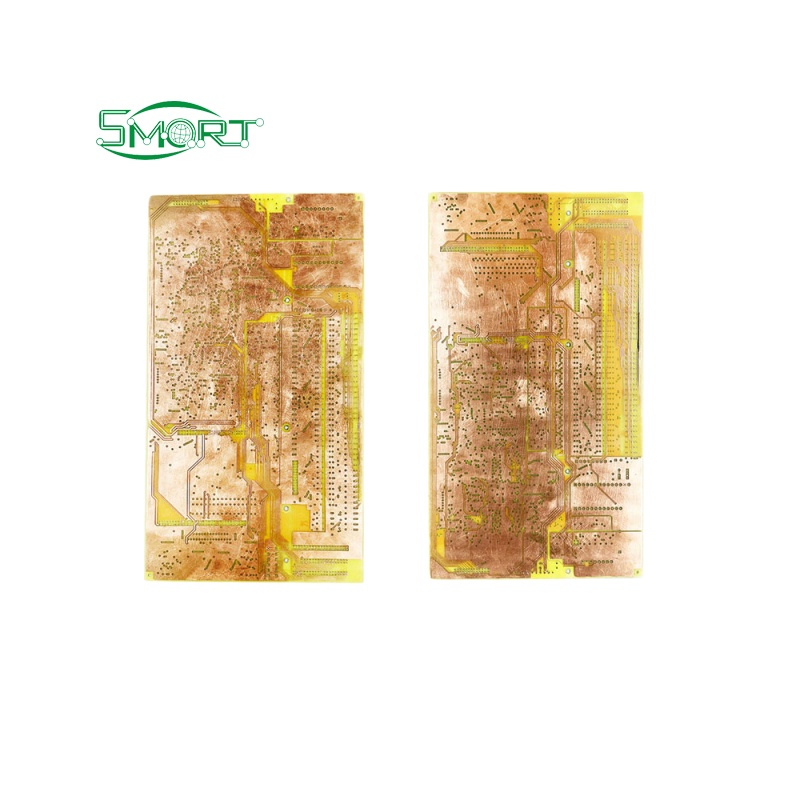
Smart Electronics Custom Multilayer PCB Board OEM Service FR4 Base Material 1oz Copper
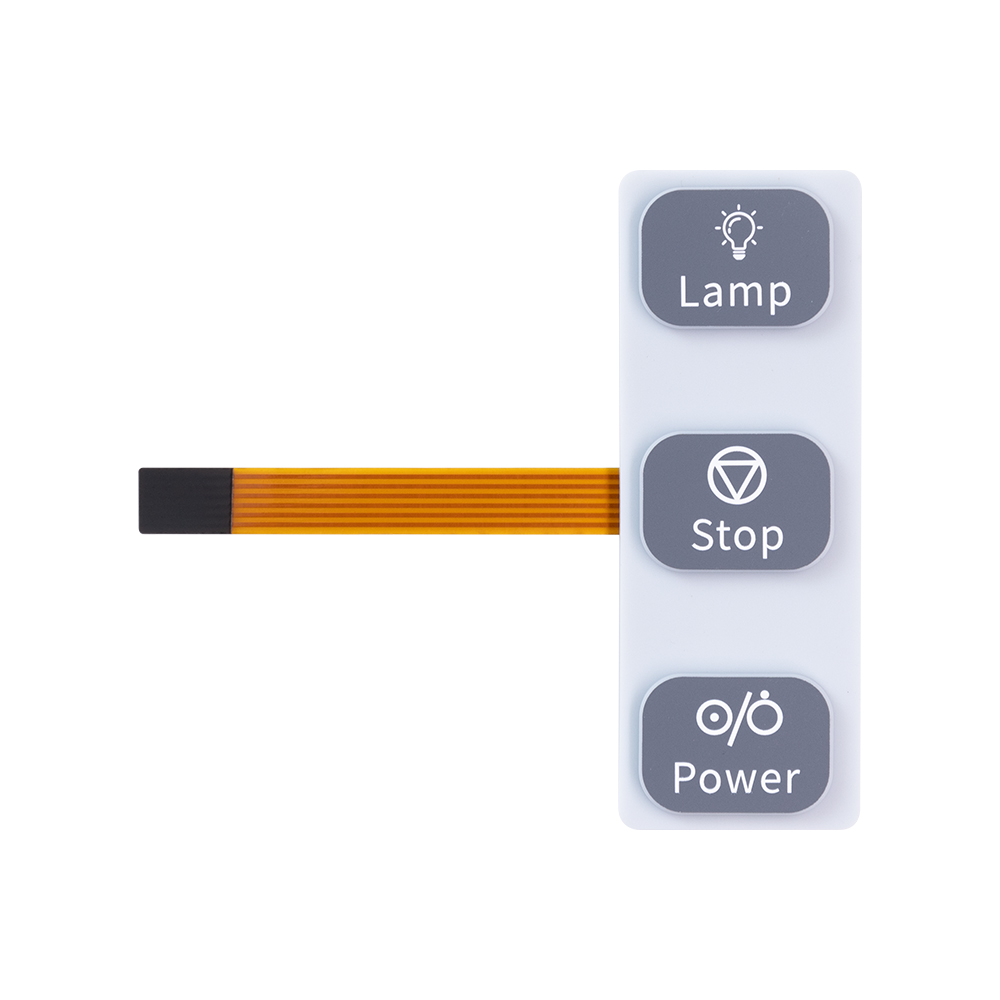
Custom FPC Membrane Switch, Flexible Printed Circuit Keypad, Metal Dome Tactile Button
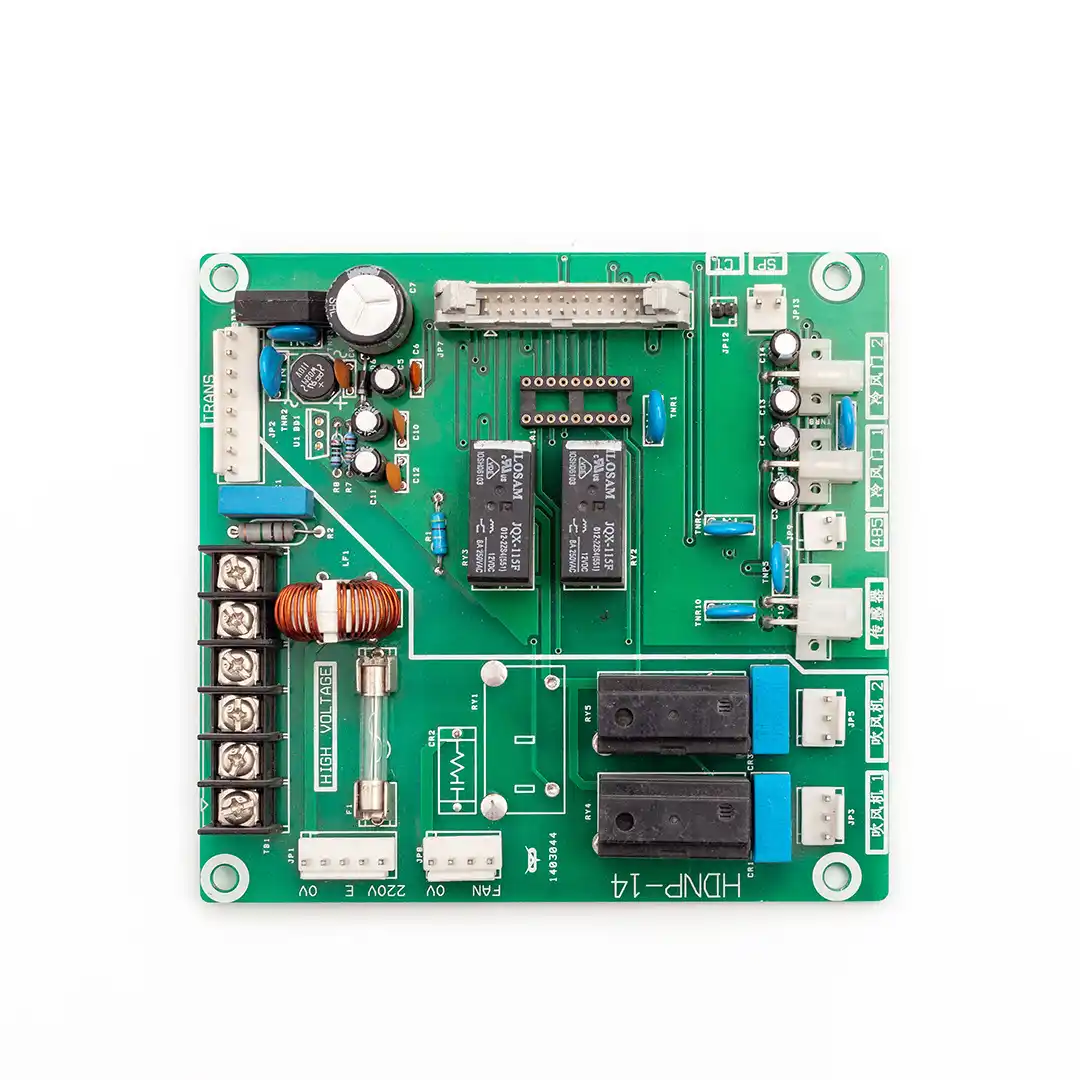
Custom PCBA Assembly OEM ODM One Stop SMT DIP PCB Assembly with Gerber BOM Sourcing
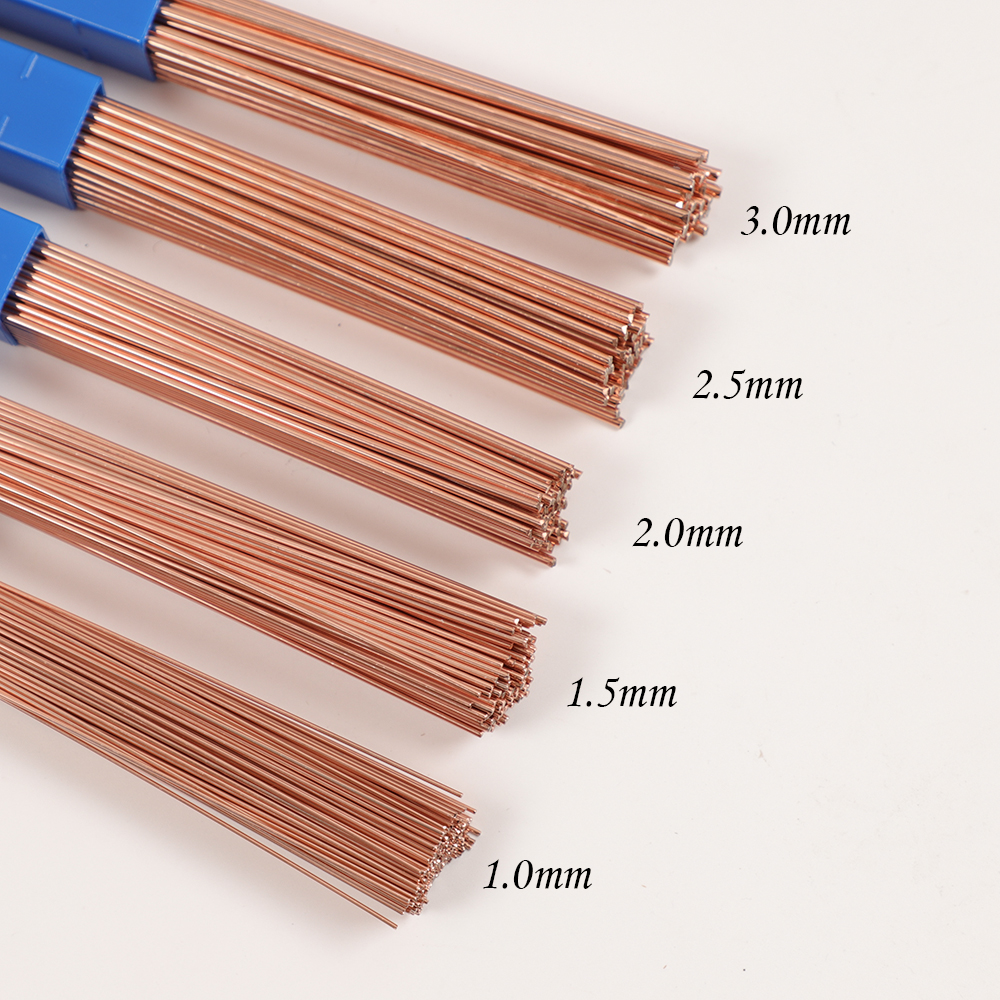
Brass Welding Rod Phosphorus Copper Soldering Electrode 50cm 1mm to 3mm
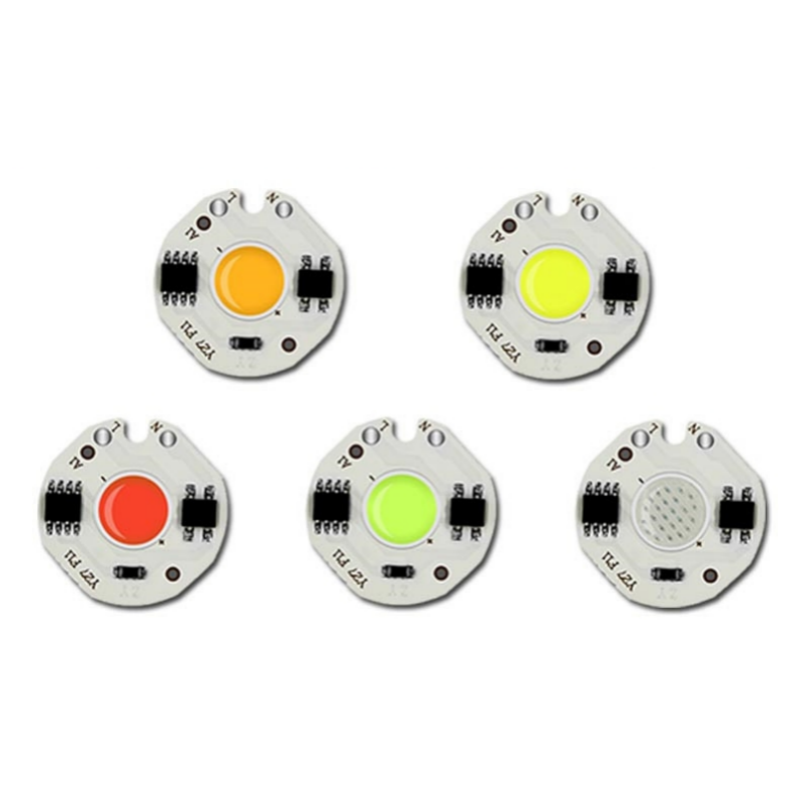
110V 220V Driverless COB LED Chip 3W-12W Light Source White/Warm/RGB for Industrial Lighting
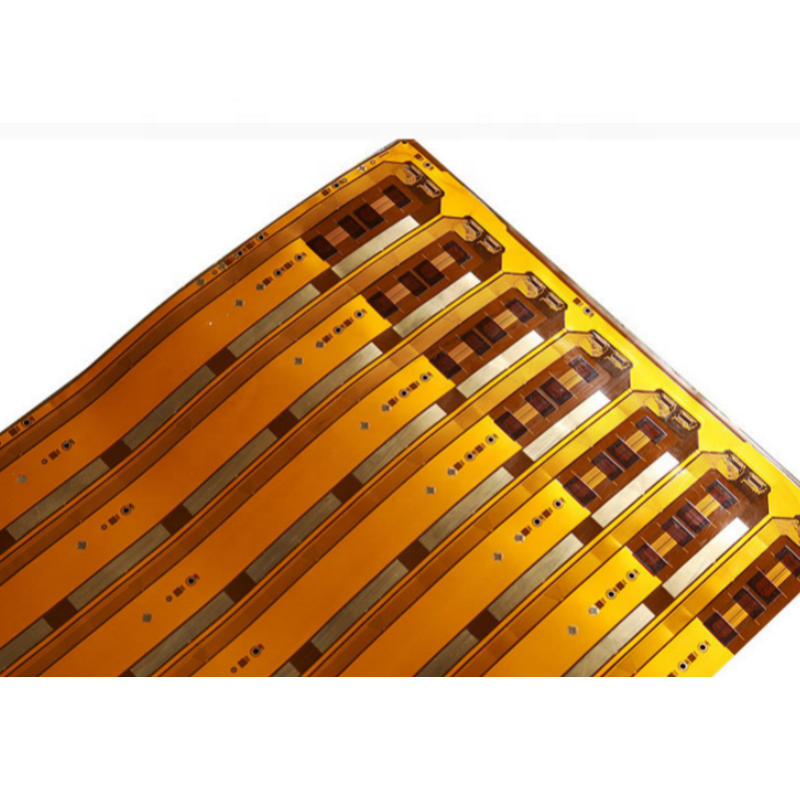
Low MOQ Fast Turn FPC Prototype, Custom Flex PCB Board, Single/Double Sided Flexible Circuit
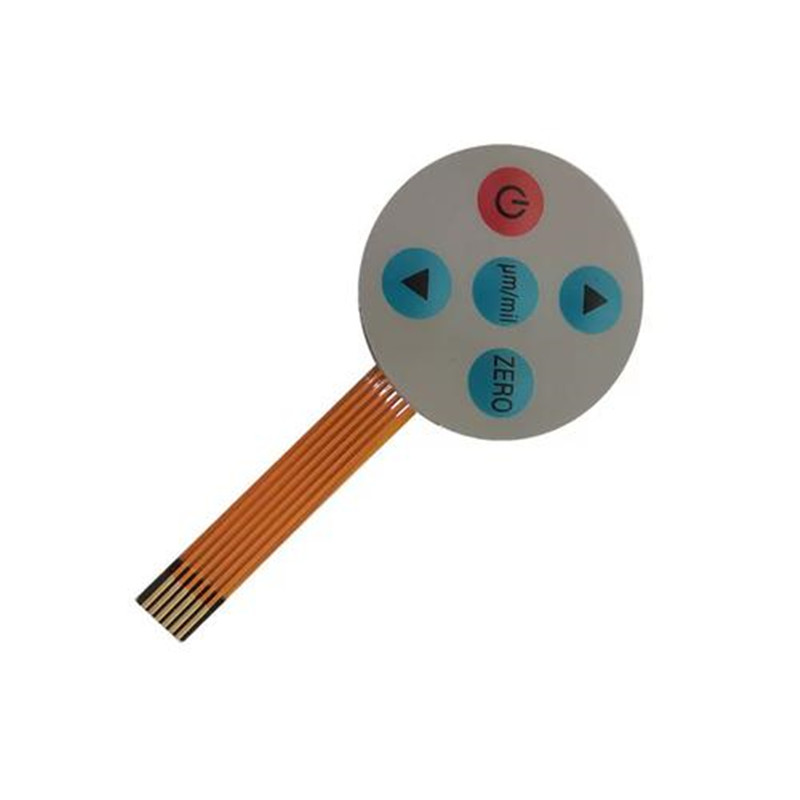
FPC Tail Membrane Switch Keypad, Custom Flexible Circuit Panel, Silk Screen RoHS for IoT
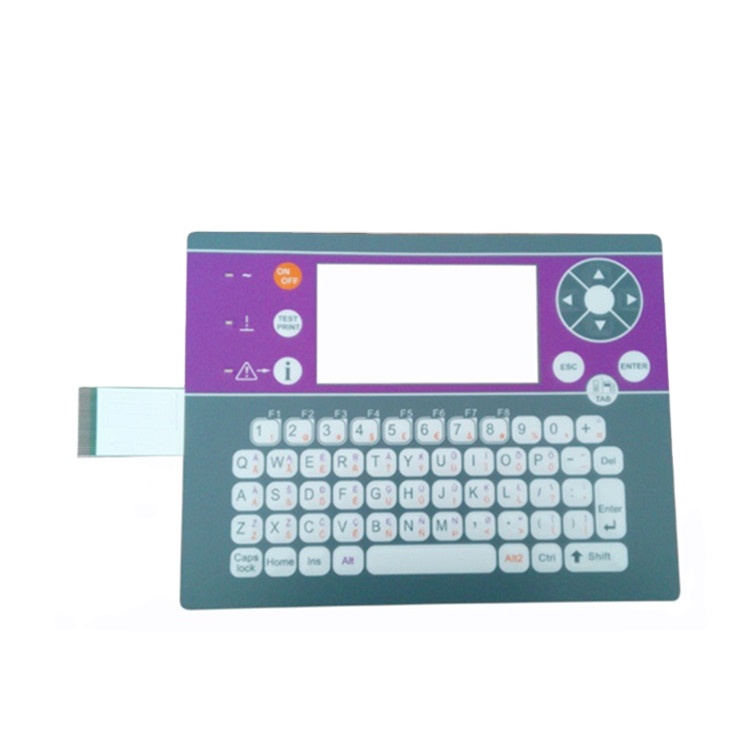
Custom Membrane Switch Keypad, Embossed Tactile Metal Dome, IP67 Waterproof 3M Adhesive
High-Performance Keypad Overlays: Material Science & Structural Integrity
In high-reliability industrial automation, human-machine interface (HMI) keypads and custom graphic overlays serve as the first line of defense between external operational stressors and sensitive underlying logic. For manufacturing clusters operating in Celje, Slovenia, and across the wider Central and Eastern European industrial belt, graphic overlays must withstand chemical solvents, abrasive dust, extreme temperature cycles, and repetitive high-force mechanical actuations without delamination, optical haze, or tactile fatigue.
Shenzhen VUKO Electronics Co., Ltd. builds keypad overlays utilizing biaxially oriented polyethylene terephthalate (PET) and optical-grade polycarbonate (PC). While polycarbonate delivers superior optical transparency, high impact strength, and ease of thermal embossing, modern chemical resistance demands often favor high-grade PET (such as Autotex and XE formulations). PET substrates demonstrate exceptional cyclic flexural endurance, allowing millions of tactile switch operations without micro-cracking across embossed rim or pillow profiles.
Sub-Surface Reverse Printing
Graphics, typography, and functional legends are printed on the reverse side of the transparent film. This encapsulates all pigmentation beneath the substrate, ensuring that continuous friction, sanitizers, or abrasive oils never rub off visual indicators.
Precision Dome Integration
Tactile response is calibrated via stainless steel nickel-plated metal domes (forces ranging from 220g to 500g) seated within dedicated spacer cavities. This delivers crisp, audible actuation feedback critical for heavy-glove operators in noisy plant settings.
Industrial Lamination & Sealing
Utilizing high-performance 3M 467MP, 468MP, or VHB acrylic adhesives, our overlays achieve hermetic bonding to cast aluminum, stainless steel, and injection-molded enclosures, securing IP65 to IP67 environmental ratings against ingress.
Substrate Material Selection: Engineering Properties Comparison
Specifying the optimal substrate configuration requires balancing tactile requirements against chemical, optical, and environmental specifications.
| Performance Parameter | Polycarbonate (Lexan PC) | Textured Polyester (Autotex PET) | Outdoor UV-Resistant Polyester |
|---|---|---|---|
| Flexural Fatigue Life | Moderate (~100,000 cycles) | Exceptional (>5,000,000 cycles) | High (>2,000,000 cycles) |
| Chemical & Solvent Resistance | Low (Sensitive to acetone, esters) | High (Resistant to oils, solvents, alcohol) | High (Resistant to detergents & fuels) |
| Optical Clarity & Windows | Superior optical transparency | Available with gloss ink selective clearing | Anti-glare textured, non-yellowing |
| Die-Cut Dimensional Stability | Excellent | Excellent thermal stability | High dimensional tolerance |
| Typical Celje Industry Fit | Indoor medical appliances, bench instruments | CNC machinery, stamping consoles, robotics | Outdoor utilities, agricultural machinery |
Localized Applications Across Celje's Core Industrial Verticals
Celje has long stood as an anchor of metallurgical prowess, electro-mechanical manufacturing, chemical processing, and advanced machine building in Slovenia. Serving OEMs and system integrators within the Savinjska region requires an intimate understanding of specific operating realities:
CNC Machinery & Industrial Tooling
Machining systems operating across Celje's metal-forming shops require operator consoles sealed against cutting fluid mist (cooling emulsions), particulate iron fines, and lubricants. Our metal-dome embossed PET keypads maintain crisp mechanical snap-action through heavy-duty industrial cycles.
Process Automation & Chemical Enclosures
Processing units handling chemical precursors or water-treatment facilities require completely non-porous front panel laminates. Utilizing selective dead-front LED indicator windows and chemically inert adhesives, our overlays deliver IP67 seal integrity under aggressive wash-down protocols.
Medical Instrumentation & Lab Devices
Electro-medical diagnostic systems manufactured in the region demand strict compliance with wipe-down sterilization (isopropyl alcohol, hospital disinfectants). Anti-microbial textured films combined with smooth continuous surfaces prevent pathogen retention and liquid ingress.
Emerging HMI & Interface Trends in the Slovenian Manufacturing Corridor
As Slovenian engineering entities integrate smart connectivity, predictive maintenance nodes, and modular field robotics under Industry 4.0 initiatives, human-machine interfaces are undergoing technological transitions. Purchasing agents and product managers in Celje are specifying next-generation control topologies:
Capacitive Touch Fusion
Migration from purely discrete electromechanical switches to hybrid capacitive sensing layers integrated directly onto thin-film PET or rigid-flex backing circuits, delivering ultra-sleek, zero-gap flat profiles.
Unified FPC Backers
Eliminating bulky multi-wire wiring harnesses by utilizing polyimide flexible printed circuits (FPC) with gold-plated ZIF connector tails, minimizing assembly labor and footprint inside compact automation housings.
Dead-Front & Dynamic LED
Precision-printed dead-front graphics that conceal indicators until illuminated, guiding industrial users through critical operational sequences and preventing operator error in complex workflows.
EMC/RFI Shielding Layers
Integration of vacuum-metallized aluminum foil or conductive carbon/silver grids into the membrane stack-up to protect logic processors from high electromagnetic interference generated by plant motors.
Frequently Asked Questions by Technical Buyers Serving Celje
What engineering files and documentation are required to quote a custom keypad overlay?
What adhesive systems do you employ to guarantee IP67 waterproof sealing against oils and coolants?
How does Shenzhen VUKO Electronics handle low-volume prototypes versus mass rollouts for European OEMs?
Can you manufacture complete turnkey assemblies including the graphic overlay, FPC, and SMT PCBA?
What electrical, tactile, and optical quality inspections are conducted prior to European export?
End-to-End Electronics Ecosystem: Shenzhen Agility, European Standards
Located in Shenzhen's prime manufacturing district, Shenzhen VUKO Electronics Co., Ltd. sits at the heart of the world’s most dense and rapid hardware supply chain. For engineering teams in Celje and across Slovenia, partnering with VUKO delivers distinctive strategic advantages:
Alibaba Onsite-Verified Supplier
Over 14 consecutive years of audited export execution, verified production capacities, and Trade Assurance protection guaranteeing on-time dispatch and financial transaction safety for international purchasers.
BOM Turnkey Component Sourcing
Dedicated procurement engineers source genuine microcontrollers, drivers, passive components, and connectors directly from franchised global distributors, identifying end-of-life components and offering vetted drop-in alternates early.
Rapid DFM & Global Engineering Liaison
Our senior engineering desk communicates fluently in technical English, returning exhaustive Design-For-Manufacturability feedback within 24 hours to eliminate design errors, footprint mismatch, and costly board respins.