Featured Assemblies & Precision HMI Subsystems
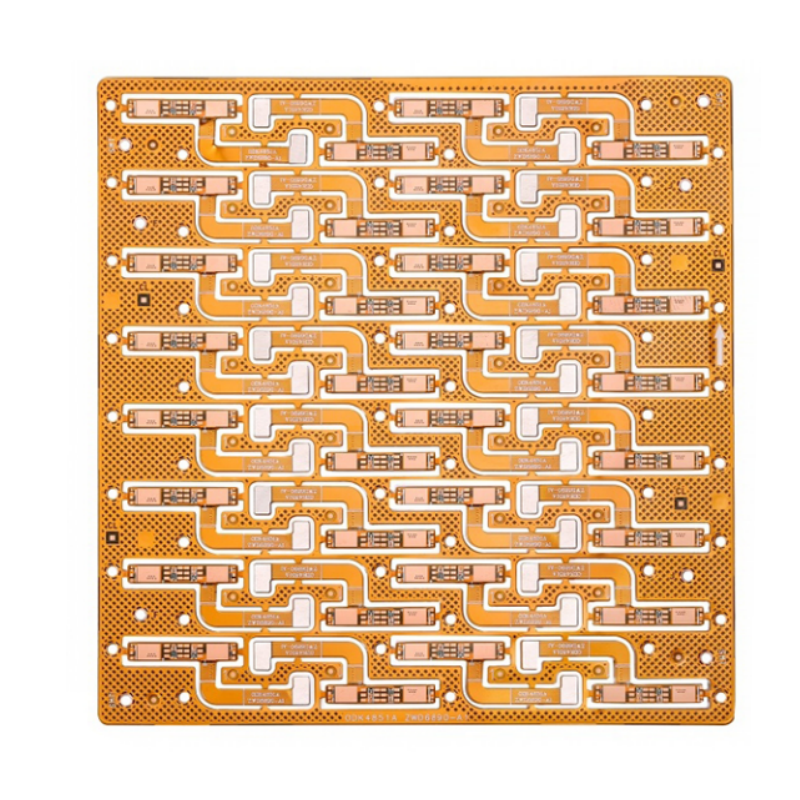
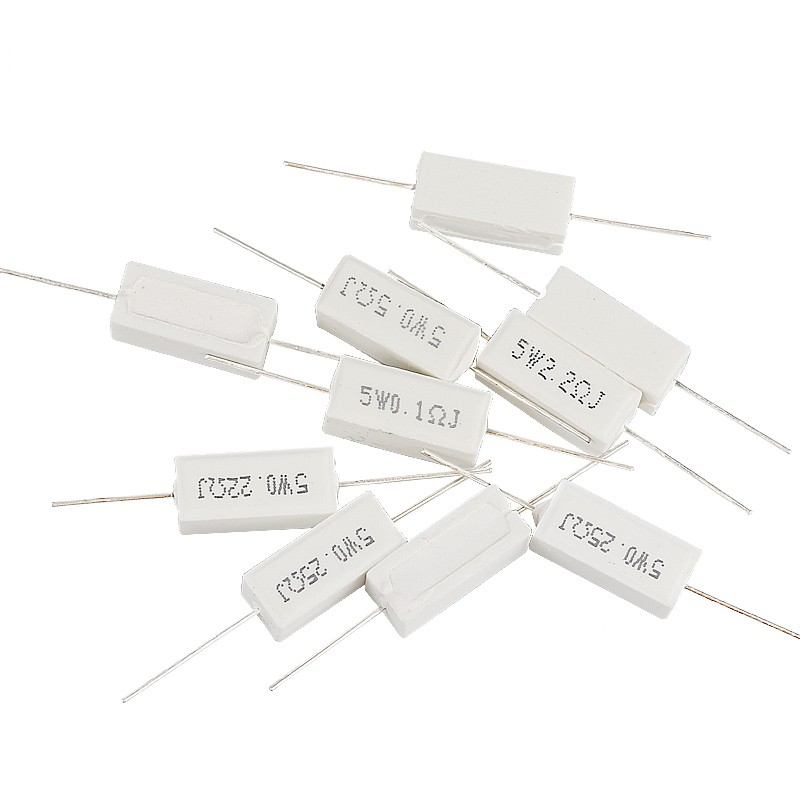
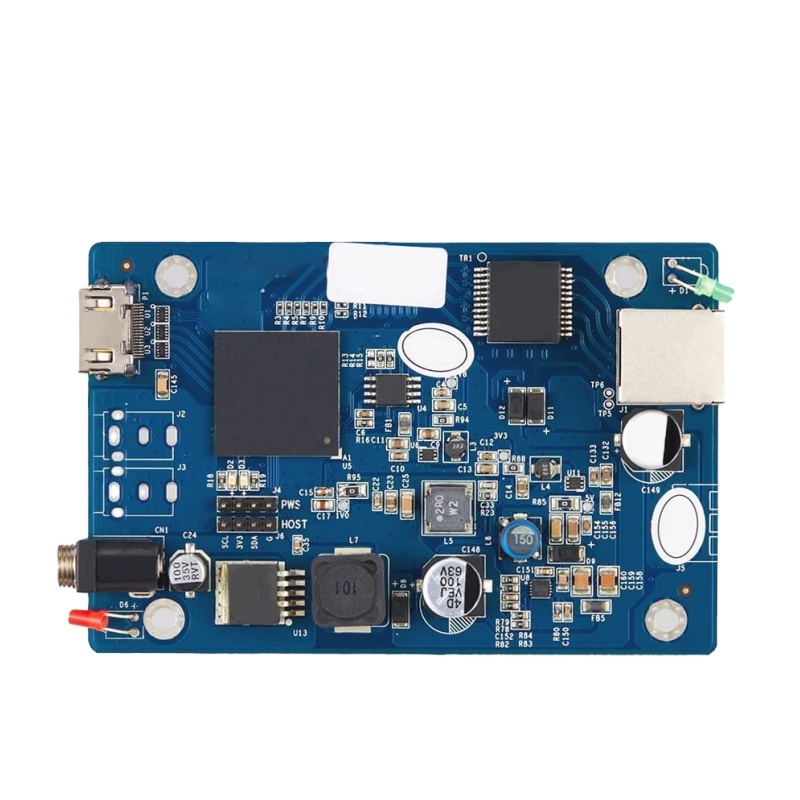
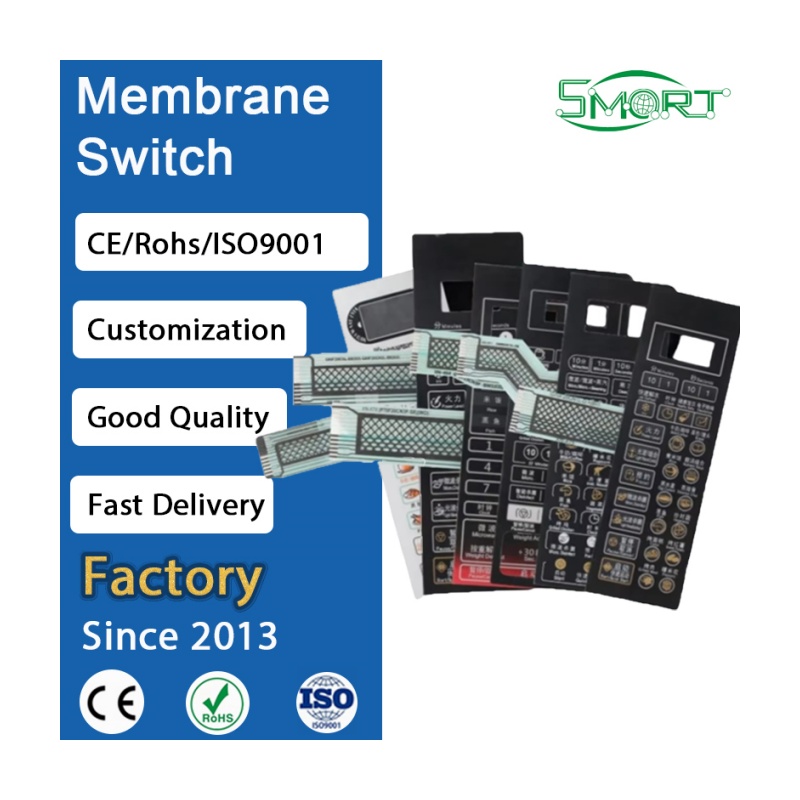
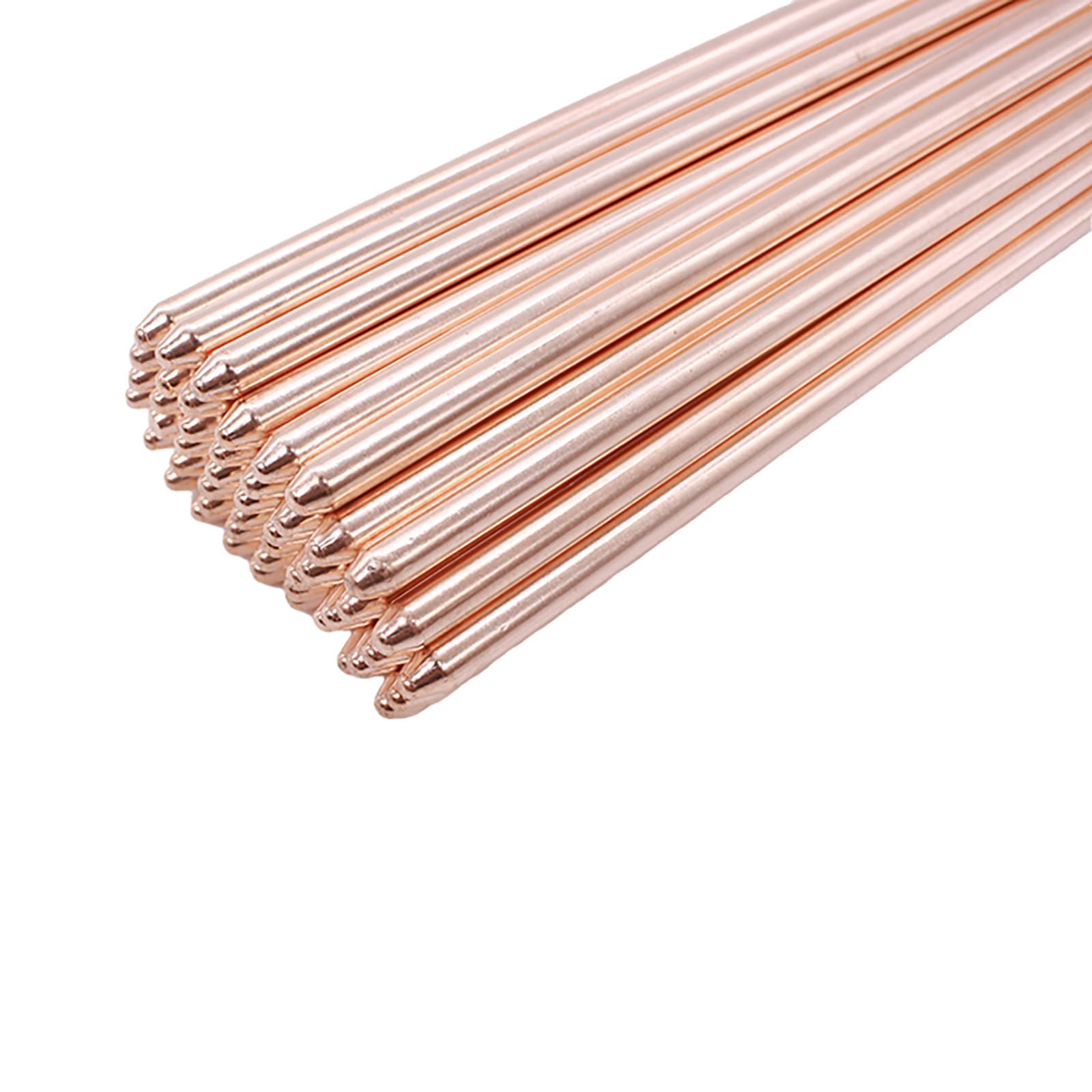
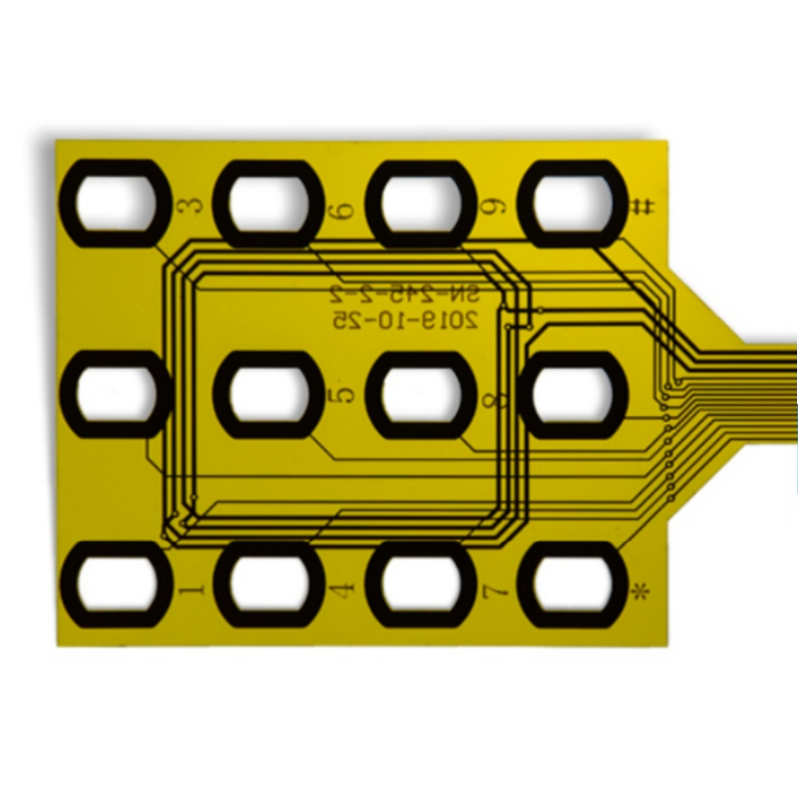
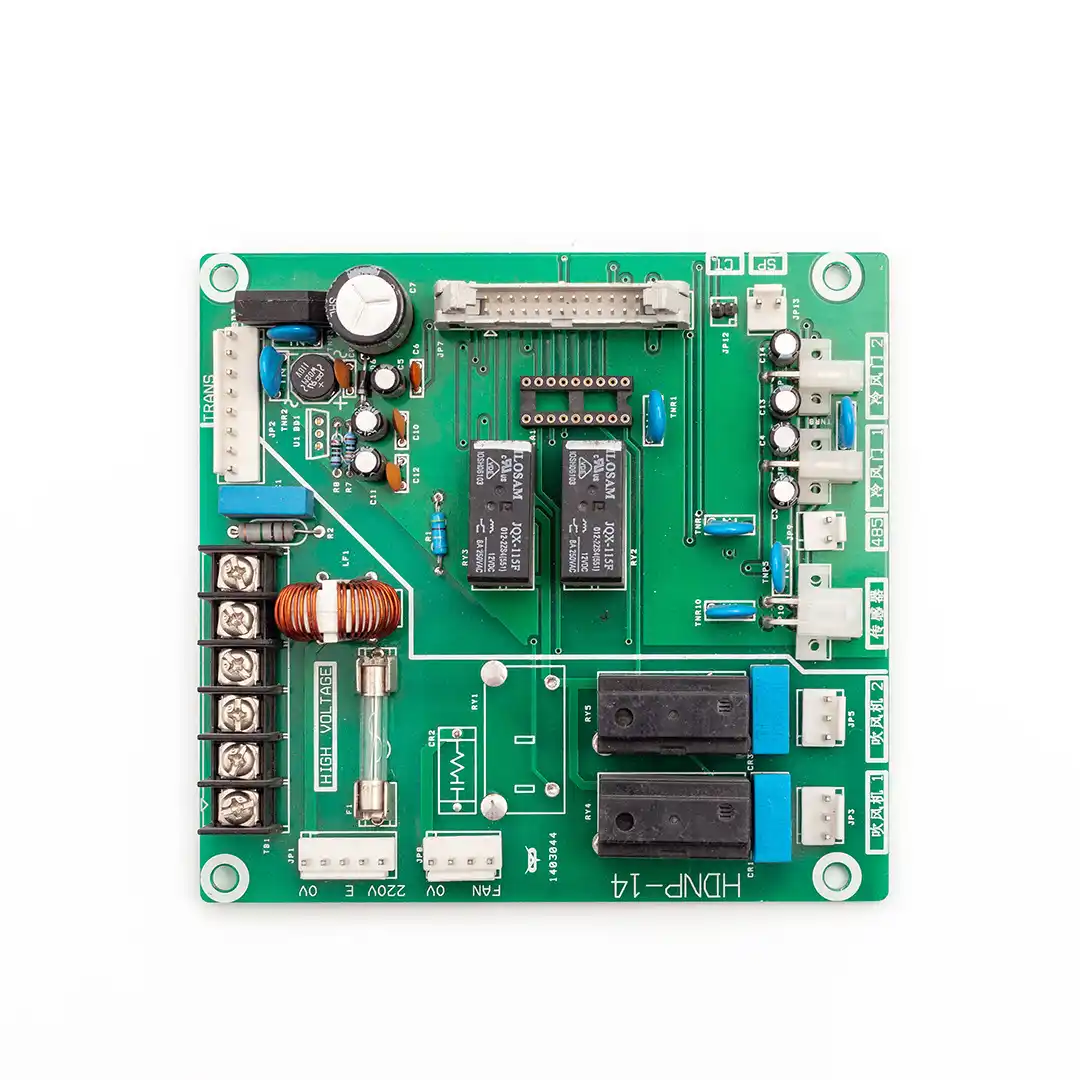
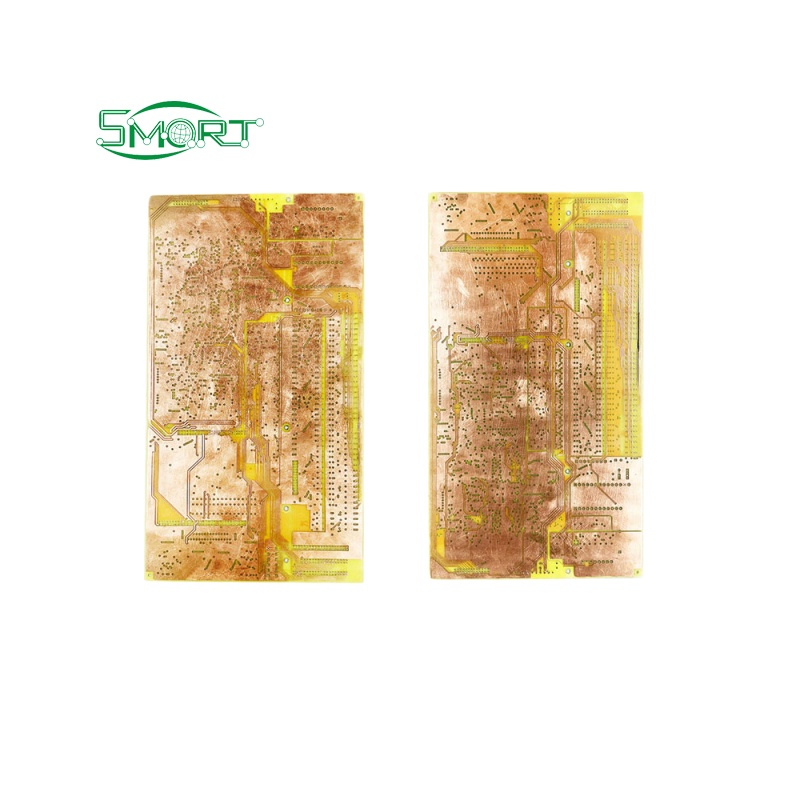
Standard and tailor-engineered capacitive touch interfaces, flexible substrates, rigid PCBA nodes, and thermal dissipation systems for rigorous industrial duty.
Require CE-Compliant Touch Integration & DFM Review?
Send your dimensional drawings, stack-up requirements, and Gerber files. Our Shenzhen-based application engineering division delivers a complete Design for Manufacturability (DFM) report and parametric quotation within 24 hours.
Industrial PCAP Structural Architecture & Noise Immunity
Optimizing signal-to-noise ratio (SNR) in mission-critical human-machine interfaces subjected to high EMC interference, fluids, and glove actuation.
Substrate Stack-ups (G+G vs. G+F+F)
For heavy industrial and outdoor kiosks, Glass-on-Glass (G+G) configurations with chemically strengthened soda-lime or aluminosilicate cover glass (up to 7H/9H hardness) offer superior optical clarity, mechanical rigidity, and vandal resistance. Conversely, Glass-Film-Film (G+F+F) utilizes flexible optical clear adhesive (OCA) layered polyimide/PET substrates, making it ideal for low-profile handheld equipment and curved edge assemblies requiring minimal mass.
Optical Bonding vs. Air Gap
Direct optical bonding using LOCA (Liquid Optical Clear Adhesive) or dry-film OCA eliminates the internal refractive boundary between the TFT display and touch sensor. This suppresses internal reflection down to less than 0.5%, optimizes sunlight readability without requiring excessive backlight power, prevents condensation under high-humidity environments, and exponentially increases shock absorbance against blunt impacts.
EMC Compliance & CE Marking
To achieve full CE certification under the Electromagnetic Compatibility (EMC) Directive 2014/30/EU and Low Voltage Directive (LVD) 2014/35/EU, our PCAP modules incorporate hardware-level perimeter ground shielding rings and differential mutual capacitance driving. Controller ICs (e.g., Ilitek, EETI, FocalTech) utilize frequency-hopping firmware algorithms to reject conducted RF emissions and prevent ghost touches.
| Technical Parameter | Industrial Grade (G+G Architecture) | Commercial / Handheld (G+F Structure) | Membrane / Resistive Hybrid |
|---|---|---|---|
| Surface Hardness & Impact | ≥ 7H (IK08 to IK10 Impact Rated) | ≥ 6H (IK05 Rated) | 3H - 4H (Polyester Overlay) |
| Operating Temperature | -30°C to +85°C (Automotive Qualified) | -10°C to +60°C | -20°C to +70°C |
| Optical Transmittance | > 88% (Direct Optical Bonded > 92%) | > 85% | 75% - 82% |
| Moisture / Fluid Immunity | Water droplet rejection / saline tracking | Standard fluid tracking suppression | Inherently water-proof (pressure driven) |
| Driver Controller IC | EETI EXC / Ilitek Industrial Series | Goodix / FocalTech Standard Series | Discrete Matrix ADC / MCU GPIO |
Future Sourcing & Procurement Trends in Touch Panels
How engineering directors and procurement managers are navigating supply chain consolidation, smart surface convergence, and next-generation sensory integration.
Single-Vendor Assembly
Global OEMs are systematically transitioning away from fragmented supply chains where touch sensors, bare PCBs, component distributors, and display bonders operate in isolation. Sourcing touch panels directly from unified PCBA and FPC manufacturers reduces vendor overhead, ensures thermal stack matching, and pinpoints warranty accountability.
Haptic Feedback Integration
As touchscreens replace physical mechanical switches across automotive dashboards, defense interfaces, and clinical devices, tactile confirmation is mandatory. Procuring panels with pre-integrated piezoelectric or Linear Resonant Actuator (LRA) haptic drivers ensures compliance with human-factor safety standards while eliminating operator error.
Antimicrobial & AG/AR/AF
Medical diagnostics, cleanrooms, and public interactive kiosks increasingly mandate high-durability surface coatings. Sourcing specifications now consistently specify triple-vacuum sputtered Anti-Glare (AG), Anti-Reflective (AR), and hydrophobic Anti-Fingerprint (AF) surface coatings, accompanied by ion-exchanged silver antimicrobial glass matrices.
Lifecycle Resilience & BOM Protection
Touch controller IC lifecycles present severe supply risks if not managed upstream. Progressive procurement frameworks require suppliers to guarantee 5 to 7-year silicon availability roadmaps and provide pin-compatible FPC redesign contingencies without altering the mechanical cover-glass chassis tooling.
Technological Milestones Shaping Touch Subsystems
Examining the engineering shift from traditional Indium Tin Oxide (ITO) sensors to advanced micro-mesh topologies and smart surfaces.
Metal Mesh & Silver Nanowire Conductors
Traditional sputter-deposited ITO suffers from elevated sheet resistance (approx. 50–100 Ω/sq), restricting panel scalability past 21.5 inches without introducing latency. Modern touch matrices use roll-to-roll embossed copper or silver metal mesh (sheet resistance < 5 Ω/sq), delivering high responsiveness on massive interactive digital displays (up to 86 inches) with curved and flexible geometries.
Glove & Underwater Signal Discrimination
Historically, capacitive sensors failed under pooled water conditions due to parasitic ground capacitance. The breakthrough combination of self-capacitance (for heavy industrial glove actuation tracking up to 5mm thickness) and mutual capacitance scanning (for multi-touch gesture isolation) allows industrial operators to interact smoothly through medical PPE, industrial gloves, and driving rain.
In-Mold Electronics (IME) & Smart Surfaces
By merging capacitive printed circuit traces directly inside injection-molded structural plastics, IME collapses traditional multi-layer assemblies into a unified 3D touch skin. This eliminates internal air gaps, drops mechanical tooling weight by 60%, and offers automotive interior interfaces and appliance panels impenetrable hermetic seals rated up to IP69K.
Why Tier-1 OEMs Partner with Shenzhen VUKO Electronics
Located at the focal center of global hardware innovation in Shenzhen, we provide unified EMS, FPC, touch panel, and turnkey component assembly under single-roof accountability.
Strict Quality Assurance & Testing
Bare boards undergo 100% electrical flying probe and bed-of-nails testing. Assembled PCBA boards pass 3D SPI, multi-angle AOI inspection, X-ray evaluation for fine-pitch BGA packages, and rigorous functional testing (FCT). Materials conform strictly to RoHS directives and UL 94V-0 flammability ratings.
Engineered DFM Review in 24 Hours
Avoid costly field failures and manufacturing delays. Our English-speaking application engineers review your CAD drawings, Gerber sets, and BOM line items within 24 hours of submission, catching footprint anomalies, trace/space tolerance limits, and thermal relief deficiencies before tool commitment.
Low MOQ to Mass Production
We support agile hardware development by offering rapid functional prototyping starting from just 5 pieces. Once product-market fit and compliance certifications are confirmed, our high-speed automated Yamaha and Panasonic SMT lines scale efficiently into high-volume monthly runs.
Frequently Asked Questions for Global Procurement
Clear engineering and commercial guidelines for RFQs, file deliverables, environmental compliance, and delivery guarantees.
What design files and specifications are required to quote a custom capacitive touch panel?
1. CAD Drawings (DXF/DWG/STEP): Outlining overall mechanical dimensions, active area (A.A.), viewing area (V.A.), cover glass thickness, beveling, cutouts, and corner radii.
2. Sensor & FPC Schematics: Pinout configuration, required touch controller IC (Ilitek, EETI, Goodix, FocalTech), and host communication interface (I2C, USB, RS232).
3. Environmental Specifications: Operating temperature range, UV exposure levels, glove actuation requirements, chemical resistance parameters, and target optical bonding (OCA/LOCA) configurations.
How do you ensure electromagnetic compatibility (EMC) and CE certification for touch assemblies?
• Integrating continuous ITO shield ground layers to block high-frequency display noise.
• Utilizing industrial controller chips with high signal-to-noise ratio (SNR > 50dB) and adaptive firmware frequency-hopping.
• Routing differential transmit/receive sensor channels through impedance-controlled flex circuits (FPC) with shielding foils.
• Full verification testing for Electrostatic Discharge (ESD) up to ±8kV contact and ±15kV air discharge.
What is the production lead time for custom tooling prototypes versus mass production?
• Tooling & Engineering Samples: Custom cover glass silk-screening, sensor laser patterning, and FPC tooling take approximately 15 to 20 business days.
• Standard Bare PCB / PCBA Quick-Turn: Prototypes can be delivered in 5 to 7 days.
• Volume Production: Standard mass production batch runs require 3 to 4 weeks following Golden Sample customer sign-off. Expedited options are available on demand.
Can Shenzhen VUKO supply fully integrated modules (Touch Panel + Display + PCBA Motherboard)?
How are international shipments protected against payment risks and transit damage?
Connect Directly with Our Touch Hardware Engineers
Whether you need custom cover glass shaping, high-bright optical bonding, extreme-temperature automotive touch panels, or complete turnkey PCBA builds, our engineering team is standing by to evaluate your schematics.