Precision Manufacturing Portfolio
Integrated Electronic Assemblies & Thermal Components
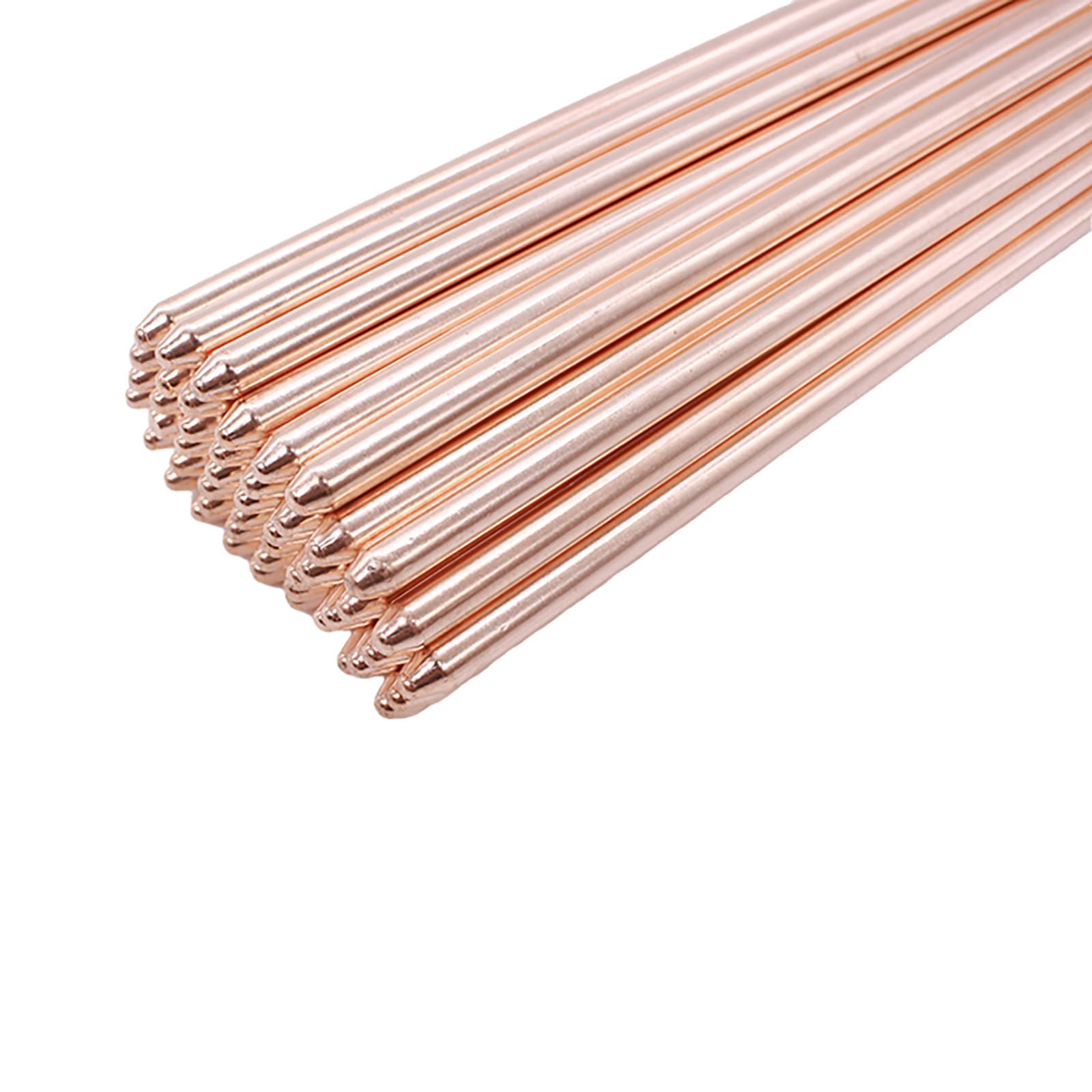
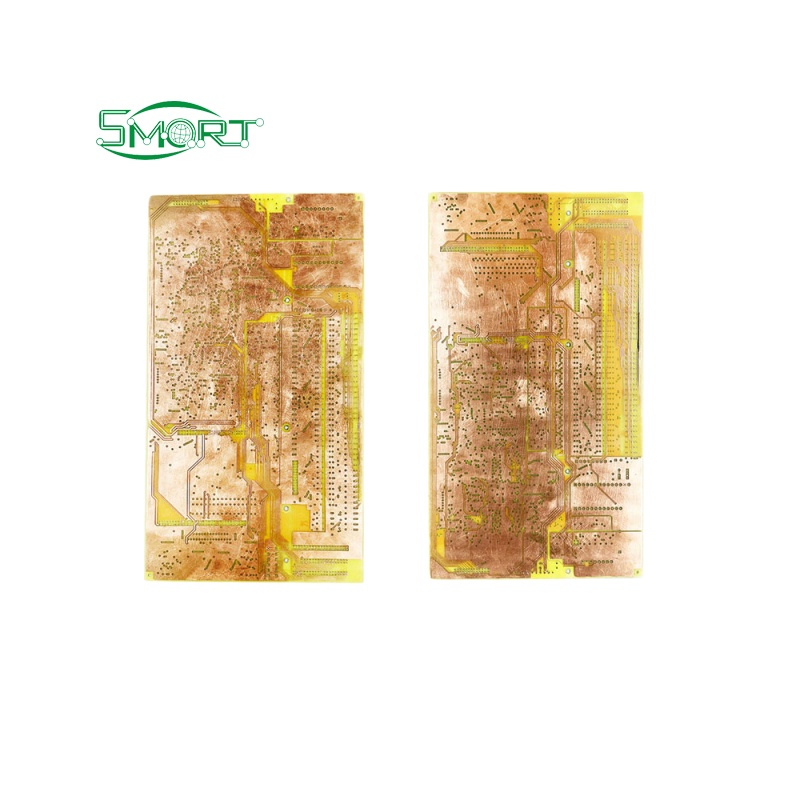
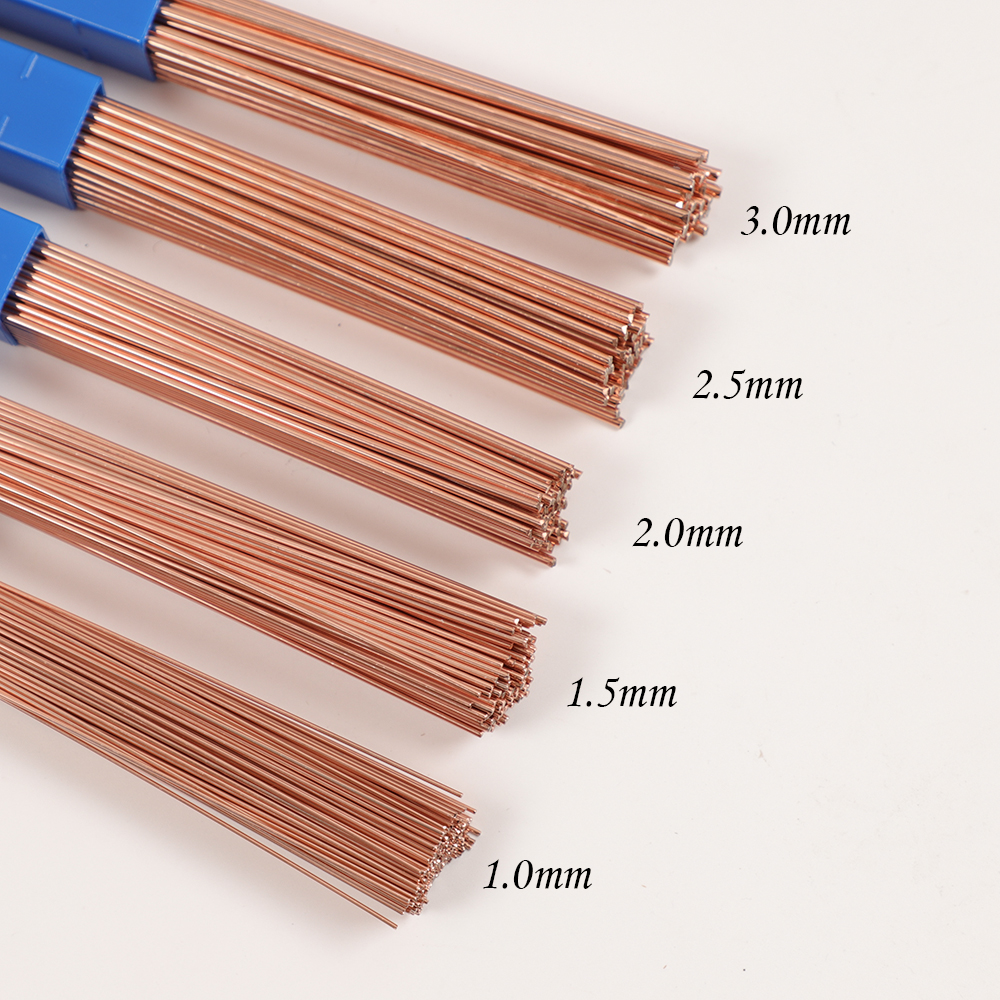
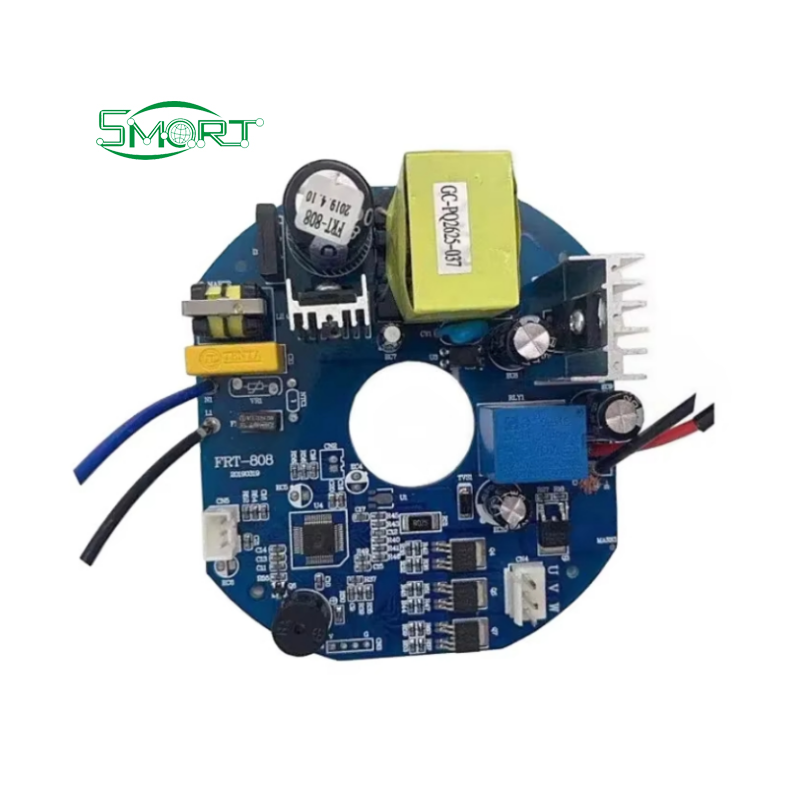
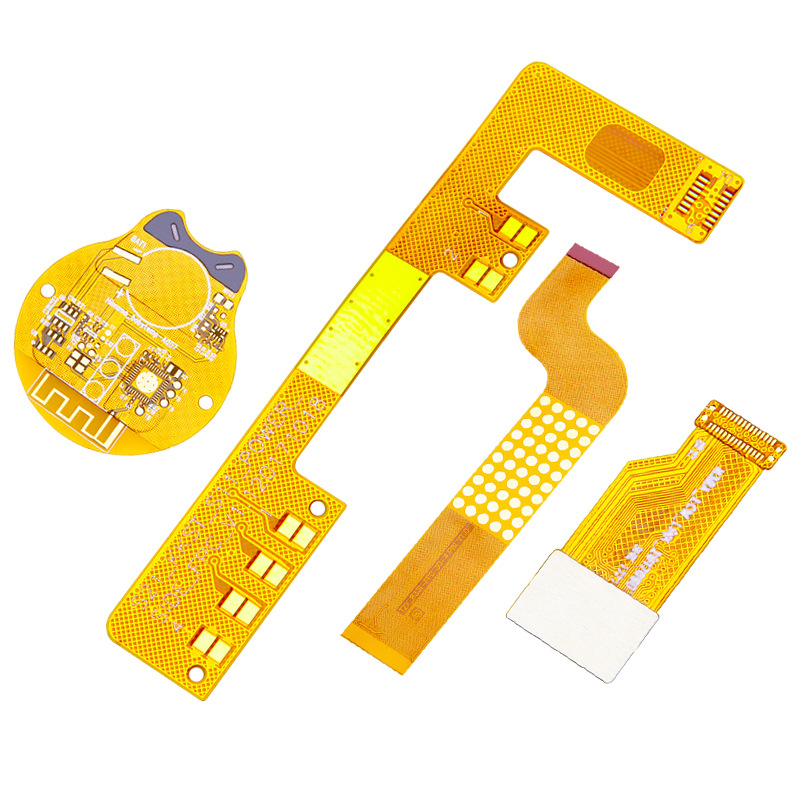
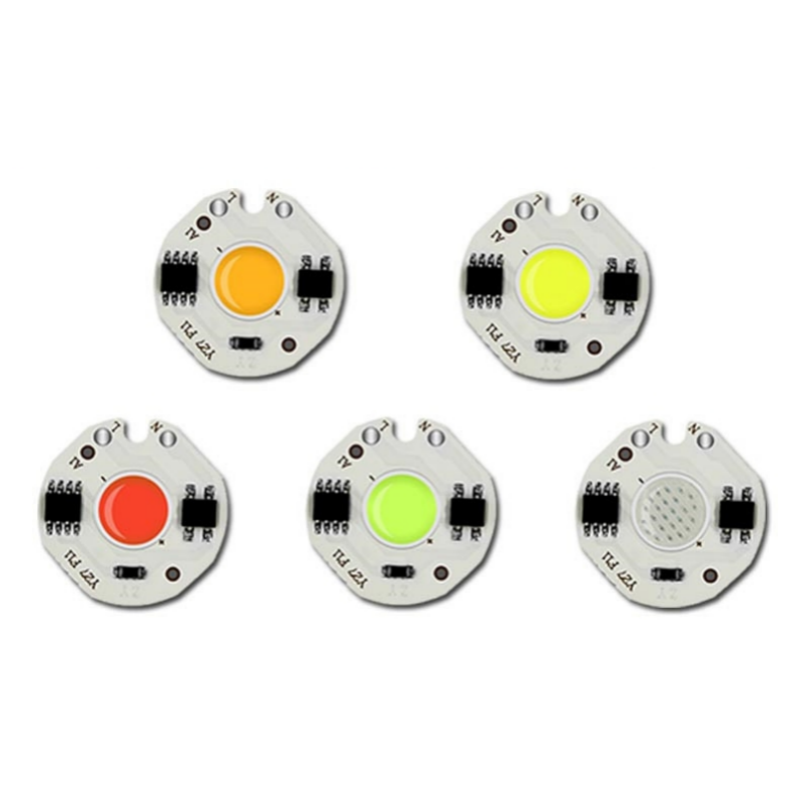
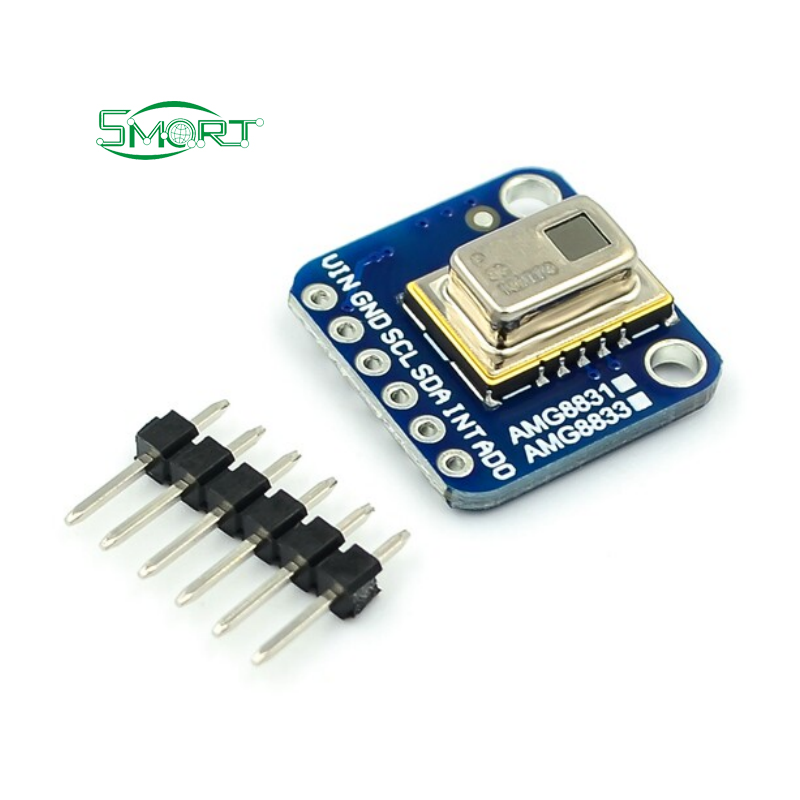
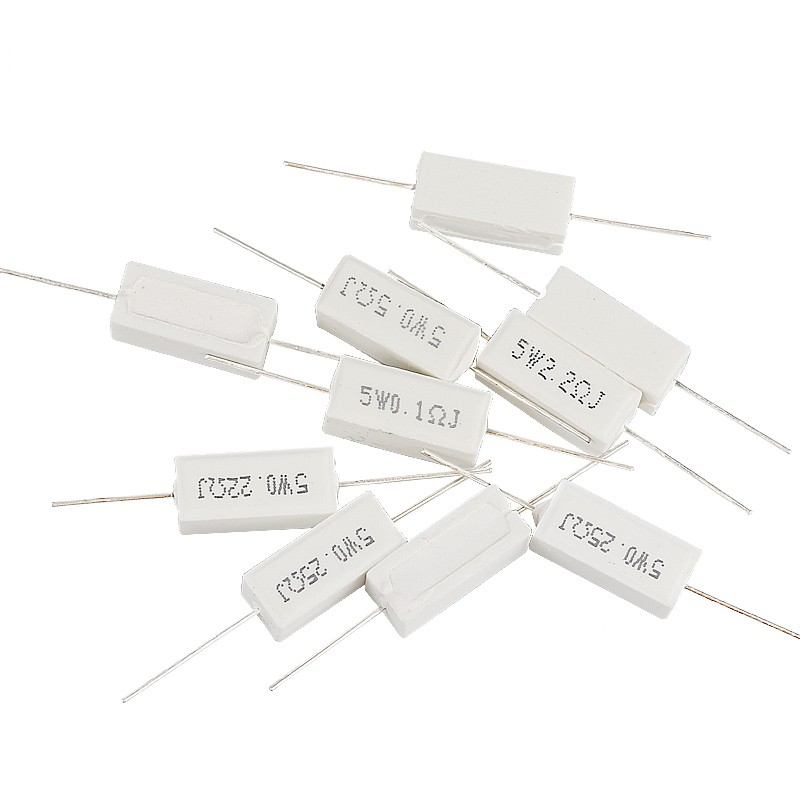
From custom graphic membrane interfaces and multi-layer FR4 boards to high-temperature flexible printed circuits and thermal dissipation tubes, VUKO delivers end-to-end hardware solutions.
14+
Years International Verified Manufacturing Experience
±0.05mm
Precision CNC Die-Cutting & Laser Cutting Tolerance
100%
Pre-Shipment Optical, Dielectric & Functional Inspection
5 Pcs
Agile Minimum Order Quantity (MOQ) for Custom Engineering
Engineering Overview: The Mission-Critical Role of Adhesive Graphic Overlays
An adhesive graphic overlay serves as the outermost, human-facing interface of industrial machines, medical diagnostic monitors, commercial appliances, and mission-critical electronics. Acting as the visual, tactile, and environmental barrier of the human-machine interface (HMI), the overlay communicates functional status through reverse-screen or digitally printed legends, dead-front indicators, and transparent LED/LCD display windows. Crucially, the graphic overlay protects internal electronics—including tactile metal domes, flexible printed circuits (FPC), and rigid printed circuit board assemblies (PCBA)—from chemical exposure, moisture ingress, ultraviolet radiation, and mechanical abrasions.
In modern industrial design, specifying an adhesive graphic overlay is no longer merely a cosmetic graphic arts decision; it is a complex polymer chemistry and mechanical engineering challenge. Product teams must balance tactile actuation travel, optical clarity, chemical resistance against aggressive sanitizers (such as quaternary ammonium or isopropyl alcohol), and high-shear adhesive bonding across low surface energy (LSE) plastics or cast aluminum chassis. Selecting the right manufacturer requires rigorous vetting of screen printing cleanroom conditions, computerized color spectrophotometry, environmental chambers, and precision registration equipment.
Key Engineering Takeaway: Unlike surface-printed decals, industrial-grade graphic overlays always feature second-surface (sub-surface) printing. By depositing specialized solvent or UV inks on the underside of a clear substrate, the polymer film shields the ink layer entirely from surface wear, scratching, cleaning detergents, and human sweat.
2025 Tier-1 Industry Matrix
Top 10 Adhesive Graphic Overlay Manufacturers & Factories
A detailed evaluation of the world’s leading front-panel and membrane switch factories, assessed by precision engineering, production scalability, material options, and turnkey electronics assembly.
Rank 01 • Editor's Choice
Shenzhen VUKO Electronics Co., Ltd.
Shenzhen, Guangdong, China (Factory & SMT Assembly Lines)
Core Focus: Turnkey HMI, Membrane & PCBA
Adhesive Compatibility: 3M 467MP, 468MP, 300LSE, 9472LE
Substrates: Autotype PET, Lexan PC, PMMA
Turnaround: 24h DFM Quote, 5–7 Days Prototypes
Shenzhen VUKO Electronics is a premier one-stop electronic engineering and HMI manufacturer located in China's Silicon Valley. Uniquely integrating graphic overlay fabrication with bare PCB fabrication, turnkey SMT/DIP PCB assembly, and flexible printed circuits (FPC), VUKO eliminates the friction of multi-vendor procurement. Their cleanrooms feature automated roll-to-roll screen printing, digital flatbeds, precision embossing, and Class 10,000 laminating lines capable of producing IP65/IP67 rated front panels with ultra-low MOQs starting from 5 pieces.
Rank 02
Douglas Corporation
Eden Prairie, Minnesota, USA
Core Focus: OEM Automotive & Marine Overlays
Adhesive Compatibility: Engineered 3M Acrylic Systems
Substrates: Polycarbonate, Chrome Film, Metalized
Turnaround: 3–4 Weeks Standard Tooling
Douglas Corporation specializes in decorative trim, graphic overlays, and specialized branding emblems for North American industrial and automotive applications. Known for heavy-gauge polycarbonate overlays and chrome-plated decorative bezels, Douglas is well-suited for high-volume automotive runs requiring intense salt-spray resistance and rigorous exterior weatherability testing.
Rank 03
Pannier Graphics
Gibsonia, Pennsylvania, USA
Core Focus: Outdoor Signage & High-Impact Overlays
Adhesive Compatibility: High-Tack Permanent PSA
Substrates: Gel-Coated Fiberglass, Rigid PET
Turnaround: 2–3 Weeks Production
Pannier Graphics is renowned for extreme environmental durability. While their core business extends across signage, their industrial overlay division excels in outdoor municipal control stations, defense kiosks, and agricultural machinery where extreme UV exposure, vandal resistance, and temperature cycling from -40°C to +85°C are paramount.
Rank 04
Dyna-Graphics Corporation
San Dimas, California, USA
Core Focus: Membrane Keypads & Rubber Touch Panels
Adhesive Compatibility: 3M 467MP & 200MP Series
Substrates: Autotype Fine / Velvet Textured PET
Turnaround: 10–14 Days Prototyping
With decades of focus on HMI panels, Dyna-Graphics delivers membrane switch front panels with tactile feedback domes, embedded surface-mount LEDs, and custom graphic textures. Their production facilities maintain tight mechanical tolerances for medical diagnostic equipment and laboratory automation consoles.
Rank 05
Lustre-Cal Corporation
Lodi, California, USA
Core Focus: Anodized Aluminum & Mylar Overlays
Adhesive Compatibility: High Shear Pressure Sensitive Adhesives
Substrates: Metalphoto, Lexan, Polyester
Turnaround: 7–10 Business Days
Lustre-Cal bridges the gap between thin-film graphic overlays and ultra-durable metal nameplates. They are widely recognized for their Metalphoto anodized aluminum technology, which seals photographic images inside an anodic sapphire-hard layer, alongside traditional velvet polycarbonate overlays for aerospace and industrial defense systems.
Rank 06
Nelson-Miller, Inc.
Los Angeles, California, USA / Factory in China
Core Focus: Capacitive Switches & In-Mold Decorating (IMD)
Adhesive Compatibility: 3M 300LSE, Optical Clear Adhesive (OCA)
Substrates: Formable Polycarbonate, Optical Grade PET
Turnaround: 3–4 Weeks Production
Formed by the merger of two historic manufacturing enterprises, Nelson-Miller stands at the forefront of In-Mold Electronics (IME) and decorative membrane overlays. They cater extensively to medical ventilators, consumer appliances, and commercial food equipment requiring flat, wipeable touch surfaces.
Rank 07
GMN (GM Nameplate)
Seattle, Washington, USA / Singapore / China
Core Focus: Multi-Layer Electronic HMIs & Plastics
Adhesive Compatibility: Custom Acrylic & Silicone Adhesives
Substrates: Polycarbonate, Acrylic, Polyester Films
Turnaround: 3–5 Weeks (Volume Focus)
GMN is an international giant in custom industrial manufacturing, known for supplying tier-1 aerospace corporations, avionics displays, and luxury automotive consoles. They possess immense cleanroom screening assets and specialize in large-format graphic panels with integrated optical bonding to glass display screens.
Rank 08
Marking Specialties, Inc. (MSI)
Elk Grove Village, Illinois, USA
Core Focus: Fast-Turn Short-Run Graphic Overlays
Adhesive Compatibility: 3M 467MP, 468MP, Transfer Tapes
Substrates: Textured Lexan, Hardcoated PET
Turnaround: 5–8 Days Quick Turn
MSI provides high-speed digital and screen-printed graphic overlays for Midwestern US industrial fabricators and machinery rebuilders. They focus on rapid steel-rule die-cutting, laser cutting without hard tooling, and fast prototyping for machinery control cabinets.
Rank 09
Butler Technologies, Inc.
Butler, Pennsylvania, USA
Core Focus: Printed Electronics & Wearable Biometrics
Adhesive Compatibility: Conductive & Medical Grade Adhesives
Substrates: TPU, Polyimide, Treated Polyester
Turnaround: 2–3 Weeks Engineering Build
Butler Technologies is a pioneer in printed electronics, smart textiles, and flexible user interfaces. Beyond standard polycarbonate front panels, they integrate silver and carbon conductive ink printing, offering dynamic haptic feedback and capacitive touch functionality directly beneath the graphic overlay skin.
Rank 10
Roemer Industries, Inc.
Masury, Ohio, USA
Core Focus: Industrial Asset Identification & Overlays
Adhesive Compatibility: Aggressive Rubber & Acrylic PSA
Substrates: Polycarbonate, Vinyl, Aluminum, Stainless
Turnaround: 10–12 Business Days
Roemer Industries caters to energy, power utilities, chemical processing, and OEM equipment builders. Their custom graphic overlays are designed for harsh chemical processing environments, meeting extreme abrasion tests and resistance to hydraulic fluids, gasoline, and outdoor corrosive washdowns.
Substrate Chemistry & High-Performance Adhesive Selection
The structural longevity and tactile performance of an adhesive graphic overlay depend fundamentally on two material interfaces: the base plastic substrate and the pressure-sensitive adhesive (PSA) transfer tape. Choosing the improper resin or tape caliper can lead to premature mechanical failure, delamination, milky display windows, or adhesive creep under elevated thermal loads.
1. Substrate Comparison: Polycarbonate (PC) vs. Biaxially Oriented Polyester (PET) vs. Acrylic (PMMA)
Engineers must balance tactile actuation life, chemical exposure, and clarity requirements when drafting specifications:
| Performance Criterion | Polycarbonate (e.g., SABIC Lexan™) | Polyester (e.g., MacDermid Autotype™) | Acrylic / PMMA (Rigid Display Bezel) |
|---|---|---|---|
| Actuation Flex Life (Switch Domes) | Moderate (~100,000 cycles before micro-fracture) | Superior (>5,000,000 cycles without fatigue) | Inapplicable (Rigid, zero flexure tolerance) |
| Chemical & Solvent Resistance | Low (Vulnerable to acetone, MEK, aromatic hydrocarbons) | Exceptional (Immune to alcohols, cleaning solvents, oils) | Moderate (Degrades under chlorinated solvents) |
| Optical Clarity / Haze Factor | Very High (Gloss or Anti-Glare textures, <1.5% haze) | High (Requires hardcoat treatment for water-clear windows) | Optically Pure (>92% light transmittance, pristine) |
| Dimensional & Heat Stability | Heat Deflection ~135°C (Easy to thermoform/emboss) | Continuous Service up to 150°C (Minimal thermal shrink) | Low Deflection ~85°C–95°C (Prone to warpage) |
| Surface Hardness & Scratch Resistance | Standard 1H (Requires UV hardcoat to reach 2H–3H) | Hardcoated 3H to 4H (High resistance to steel wool) | Naturally Hard 3H–5H (Scratch and impact resistant) |
2. Adhesive Engineering: Selecting the Correct 3M™ Bonding System
The graphic overlay is only as reliable as its adhesive backing. Because equipment housings range from high surface energy (HSE) metals like anodized aluminum or stainless steel to low surface energy (LSE) polymers such as polypropylene (PP), ABS, and powder-coated steel, adhesive selection is critical:
3M™ 467MP (2.0 mil High-Performance Acrylic)
The industry benchmark for smooth metal panels and high-surface-energy engineering plastics. Outstanding shear strength, high temperature stability (-40°C to +200°C), and exceptional moisture resistance.
3M™ 468MP (5.0 mil High-Performance Acrylic)
Features a thicker adhesive layer designed to absorb surface irregularities, micro-textures, and gentle contours on cast aluminum, textured plastics, and roughly finished sheet metal chassis.
3M™ 300LSE (Low Surface Energy Acrylic)
Essential for bonding to polypropylene, polyethylene, powder-coated enclosures, and lightly oiled surfaces. Provides instantaneous high initial tack and eliminates edge lifting.
Future Sourcing Trends in Adhesive Graphic Overlays (2025–2030)
The graphic overlay sector is undergoing rapid modernization driven by digital transformation, automated healthcare demands, and environmental sustainability mandates. Supply chain directors must stay ahead of the following emerging manufacturing vectors:
1. In-Mold Electronics (IME) and 3D Plastronic Consolidation
Traditional flat overlays attached over mechanical microswitches are increasingly replaced by three-dimensional thermoformed panels featuring conductive silver inks printed directly inside the plastic shell. In-Mold Electronics fuses the structural bezel, graphic art, capacitive sensors, and LED light pipes into a singular solid-state part, reducing final assembly depth by up to 70% and eliminating dust traps entirely.
2. Antimicrobial Hardcoats for Medical and Public Touchpoints
Following heightened global hygiene mandates, medical equipment builders are demanding permanent antimicrobial topcoats. Utilizing embedded ionic silver or active nanostructures within the hardcoat, these films continuously disrupt microbial cell walls, inhibiting 99.9% of bacterial growth (ISO 22196 compliance) even after repeated hospital-grade alcohol sterilizations.
3. Selective Optical Texturing & Dead-Front Display Windows
Modern industrial equipment demands a unified, seamless glass-like aesthetic when powered down. "Dead-front" ink technology allows LED indicators, LCD readouts, or fault icons to remain completely invisible until backlit from behind. Manufacturers employ precision digital screen-printing to achieve custom semi-translucent smoke layers with tight optical density tolerances (±0.05 OD).
4. Multi-Tier Supply Chain Consolidation
Hardware developers historically purchased graphic overlays from printing shops, metal dome arrays from switch vendors, and bare PCBs from electronics factories. Today, OEM purchasing directors seek consolidated tier-1 partners like Shenzhen VUKO Electronics capable of manufacturing the overlay, sourcing electronic components, building the multi-layer FR4/FPC boards, and executing SMT assembly in a unified manufacturing workflow.
Integrated Turnkey Ecosystem
Why Global OEMs Partner with Shenzhen VUKO Electronics
Headquartered in Shenzhen, China, VUKO bridges high-precision graphic overlay fabrication with bare board PCB fabrication, SMT assembly, and complete component sourcing under one certified roof.
Full Hardware Integration from Artwork to Tested Box Build
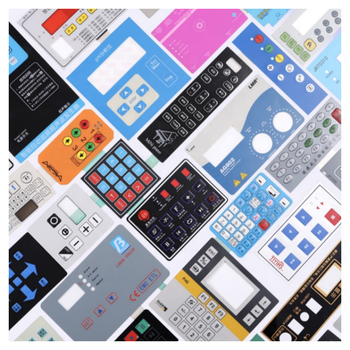
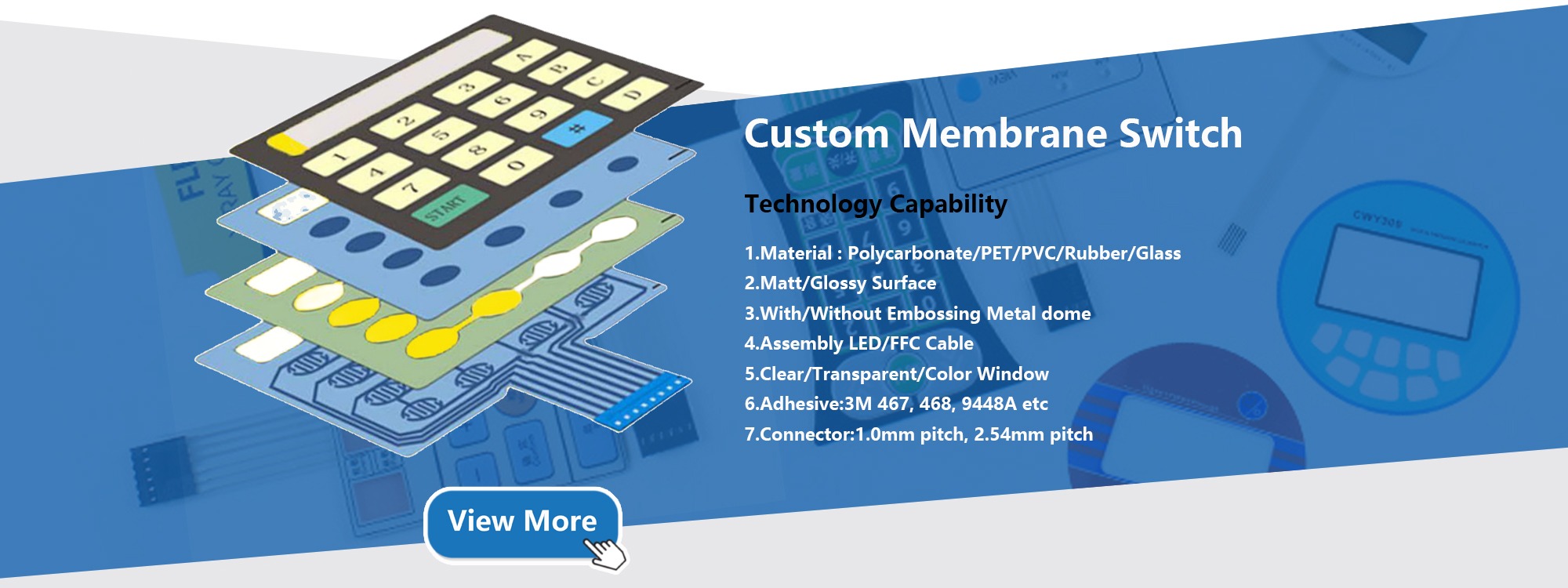
Unlike standalone print houses, Shenzhen VUKO Electronics operates comprehensive SMT assembly lines, multi-layer bare PCB manufacturing, and custom flexible circuit (FPC) facilities. When you source an adhesive graphic overlay or membrane switch from VUKO, our engineers verify the mechanical fit against your mating PCB, pick-and-place files, and component clearances before running tooling.
- Engineering File Review within 24 Hours: Thorough DFM screening of your Gerber, CAD, and vector artwork files to identify trace isolation and adhesive vent paths.
- Class 10,000 Cleanroom Lamination: Bubble-free, dust-free adhesive laminating ensuring optical clarity on transparent and tinted LCD/LED windows.
- Turnkey BOM Sourcing: We source passives, microcontroller ICs, LEDs, connectors, and heat dissipation assemblies alongside custom keypads.
- Low MOQ Scalability: Agile prototyping starting from just 5 pieces, scaling frictionlessly to hundreds of thousands of mass-production units.
Procurement Intelligence
Frequently Asked Questions: Graphic Overlay Sourcing
Answers to essential technical and commercial questions faced by hardware procurement specialists, quality managers, and mechanical design engineers.
What design files are required to receive a complete graphic overlay quotation?
To quote an adhesive graphic overlay accurately, manufacturers require:
- Vector Graphic Artwork (AI, PDF, DXF, or CDR): Must show 1:1 scale dimensions, color specifications (Pantone PMS or RAL numbers), window positions, and cutout boundaries.
- Mechanical Layer Drawing: Depicting adhesive cutoff lines, embossing profiles (rim vs. pillow embossing), and thickness callouts.
- Material & Adhesive Specifications: Base substrate resin (e.g., Autotype F150 PET or Lexan 8010 PC), surface finish (matte, velvet, gloss), and specific PSA tape model (e.g., 3M 467MP, 468MP, or 300LSE).
- Target Quantity: Prototyping quantities (5–10 pcs) vs. annual production batch sizes.
Why is polyester (PET) preferred over polycarbonate (PC) for tactile membrane keypads?
Polyester possesses a vastly superior mechanical fatigue threshold compared to polycarbonate. In cyclical actuation tests involving metal click domes or poly-domes, standard polycarbonate begins to develop micro-cracks and plastic deformation around 100,000 cycles. Biaxially oriented PET (such as MacDermid Autotype) routinely withstands in excess of 5,000,000 tactile flex cycles without structural failure. Furthermore, PET exhibits outstanding chemical resistance against aggressive harsh-environment chemicals and industrial sanitizers that readily degrade polycarbonate.
How are dead-front display windows engineered and calibrated?
Dead-front windows are manufactured by printing a selectively semi-translucent ink layer onto the second surface of clear film. The ink formulation must achieve precise optical density: dense enough to hide the underlying circuit traces, LEDs, or unlit displays in ambient light, yet sufficiently translucent to allow LED light to penetrate cleanly when backlighting is activated. Shenzhen VUKO Electronics utilizes digital spectrophotometers and optical densitometers to calibrate exact transmission percentages for consistent batch-to-batch readability.
What venting techniques are required when embossing keys over metal domes?
When an embossed graphic overlay key is depressed over a tactile metal dome, air is displaced beneath the dome. If the internal cavity is hermetically sealed without vent channels, pneumatic back-pressure builds up, resulting in a sluggish, mushy tactile feel or phantom key triggers. Professional graphic overlay factories laser-cut micro-vent channels into the intermediate adhesive spacer layers. These channels allow air to vent horizontally between switch positions or into an internal chamber while maintaining IP65/IP67 seals against the outside environment.
How can engineers prevent adhesive migration and ooze during CNC die-cutting?
Adhesive ooze is a frequent defect when using thick acrylic transfer adhesives (like 3M 468MP) under steel-rule die stamping. To eliminate this issue, VUKO implements "adhesive setback" (recessed adhesive borders), pulling the adhesive layer back by 0.5mm to 1.0mm from external perimeters and display window openings. Furthermore, precision CNC laser cutting and cryogenic die-cutting can be utilized to prevent localized shear heating that causes adhesive edge bleed.
How does VUKO Electronics guarantee electrical and visual quality before shipping?
All manufactured assemblies undergo automated optical inspection (AOI) to detect printing scratches, dust inclusions, or registration offsets. For integrated membrane switch assemblies, 100% computerized electrical continuity, contact resistance (typically <100 ohms with silver ink or <1 ohm with copper FPC), dielectric breakdown, and tactile actuation force tests are documented in final inspection records prior to vacuum anti-static packaging.
Accelerate Your HMI & Electronics Manufacturing Pipeline
Whether you require rapid-prototype adhesive graphic overlays, waterproof tactile membrane keypads, multi-layer PCBs, or complete turnkey PCBA box-builds, Shenzhen VUKO Electronics engineers are ready to support your project. Send your vector drawings and BOM for a comprehensive DFM review within 24 hours.